


HDPE PLASTIC NET
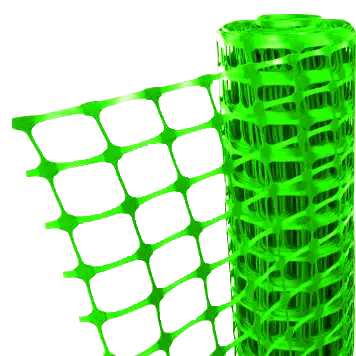
HDPE net is a high-quality safety net made from premium HDPE. It is specially designed for high mechanical strength, optimal flexibility and high resistance to extreme environmental exposure.
The basic difference between HDPE net and ordinary netting is the raw material. This net is produced from 100% virgin material (pure plastic resin) with no recycled plastic mixed in.
Using pure material keeps the polymer chains intact, so the net does not become brittle, does not degrade quickly, and has a much longer lifetime.

Advantages
ADVANTAGES OF HDPE PLASTIC NET
HDPE net has several advantages over other nets:
- High Resistance to UV and Extreme Weather (UV Resistance)
A tropical climate with intense ultraviolet (UV) radiation and heavy rainfall is a major challenge for materials on site. Recycled plastic usually degrades quickly under UV, becomes brittle and tears within months. Virgin HDPE, by contrast, keeps its mechanical structure even under constant sun and rain. - High Strength-to-Weight Ratio (High Tensile Strength)
HDPE is lightweight yet has very strong tensile and impact resistance. The low weight makes it easy to mobilize and install at height (e.g. on high-rise buildings), while still withstanding falling debris. - Chemical and Corrosion Resistance (Chemical Resistance)
Construction sites and industrial environments are full of chemicals such as cement, mild acids, alkalis and other corrosive substances. HDPE is highly chemically inert, so it will not decay, rust or rot from contact with chemicals or high humidity. - Visual Protection (High-Visibility Warning Barrier)
Produced in contrasting colors such as bright orange, this HDPE net works effectively as a visual barrier to mark danger zones. The high-visibility color helps workers and the public identify voids, building edges or restricted work areas from a distance.
Applications
HDPE NET APPLICATIONS
Its versatility means HDPE plastic net can be used for many technical needs:
- Agriculture & Plantations: Works as a shading net (to limit sunlight intensity) and as a protective fence that keeps pests away from crops without restricting air circulation.
- Livestock & Fisheries: Used as partitions for livestock areas or pens because it is hygienic, does not rust and is very easy to clean with just a water spray.
- Event Management & Area Barriers (Crowd Control): An efficient, tidy temporary barricade to guide crowd flow at outdoor events.
Types
TYPES OF HDPE NET
| Product Type | Size per Roll (L x W) | Color | Characteristics & Recommended Use |
| Safety Net | 100 m x 0.95 m | Orange | Ideal as a safety barrier, OHS zone marker and construction site barrier. |
| Green 136 | 30 m x 2.25 m | Green | High density; best for agricultural shading nets, area covers and crop protection. |
| Green 96 | 30 m x 2.25 m | Green | Same dimensions as Type 136, with a yarn density adjusted for optimal air circulation. |
| Green 10 | 100 m x 2 m | Green | Long roll format (100 meters) for large areas such as fencing farmland or livestock areas. |
HDPE plastic net is available in four types in standard green and orange colors.
Specifications
HDPE NET SPECIFICATIONS
| Length (Roll) | Width (Roll) | Unit | Type | Standard Color |
| 100 | 0.95 | Meter | Safety Net | Orange |
| 30 | 2.25 | Meter | Green 136 | Green |
| 30 | 2.25 | Meter | Green 96 | Green |
| 100 | 2 | Meter | Green 10 | Green |
FAQ
HDPE NET FAQ
Is HDPE net resistant to chemicals and extreme weather on site?
Yes. High-Density Polyethylene (HDPE) is highly chemically inert, so it resists cement splashes, mild chemicals and oil, and does not rust or decay from rain and high humidity.
Is HDPE net better than ordinary netting?
HDPE (High-Density Polyethylene) net is a high-density synthetic net made from pure thermoplastic. Its main advantages are very strong molecular bonds, a high strength-to-weight ratio, and outstanding resistance to abrasion, sunlight and chemicals compared with conventional plastic or ordinary nylon netting.
How long does HDPE net last outdoors?
Premium HDPE net made from 100% virgin material can generally last for years in extreme outdoor conditions. It can be reused over several consecutive project cycles.
How should HDPE net rolls be joined on site?
Join the rolls by overlapping and cable tying: overlap the net edges by 10–15 cm, then tie them with UV-resistant cable ties every 20–30 cm.
Visit our complete catalog
for more detailed product descriptions!
