


GEOCELL
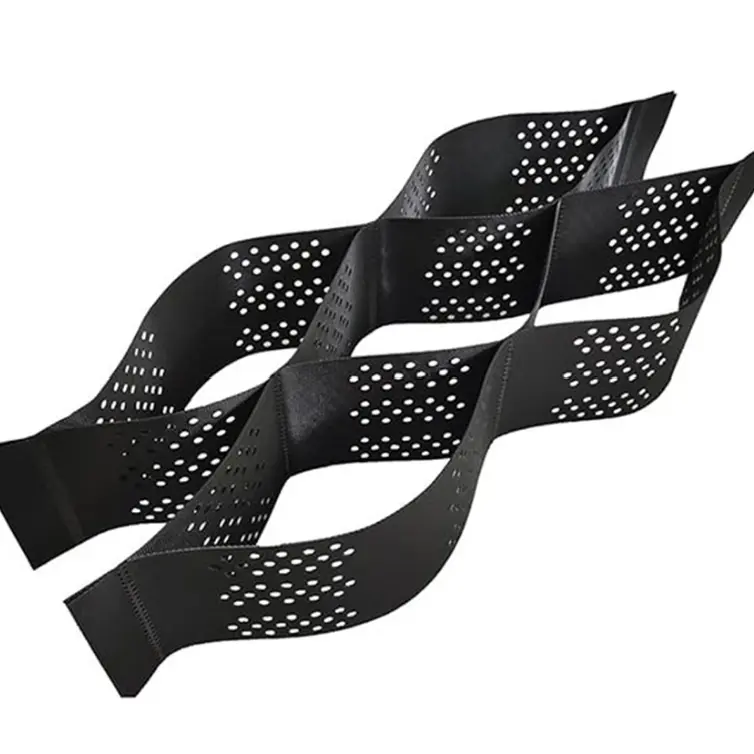
Geocell is a three-dimensional soil reinforcement system. It is made from ultrasonically welded High Density Polyethylene (HDPE) strips that, when stretched open, form a network of interconnected cells. The cells are filled with soil, sand, aggregate or concrete to create a stiff, stable layer.
It works by lateral confinement of the infill material. The infill can hardly move sideways, so vertical loads are spread more evenly and the bearing capacity of the soil increases. That is why geocell is widely used on roads, slopes, water channels and soft soil areas.

Functions
FUNCTIONS OF GEOCELL
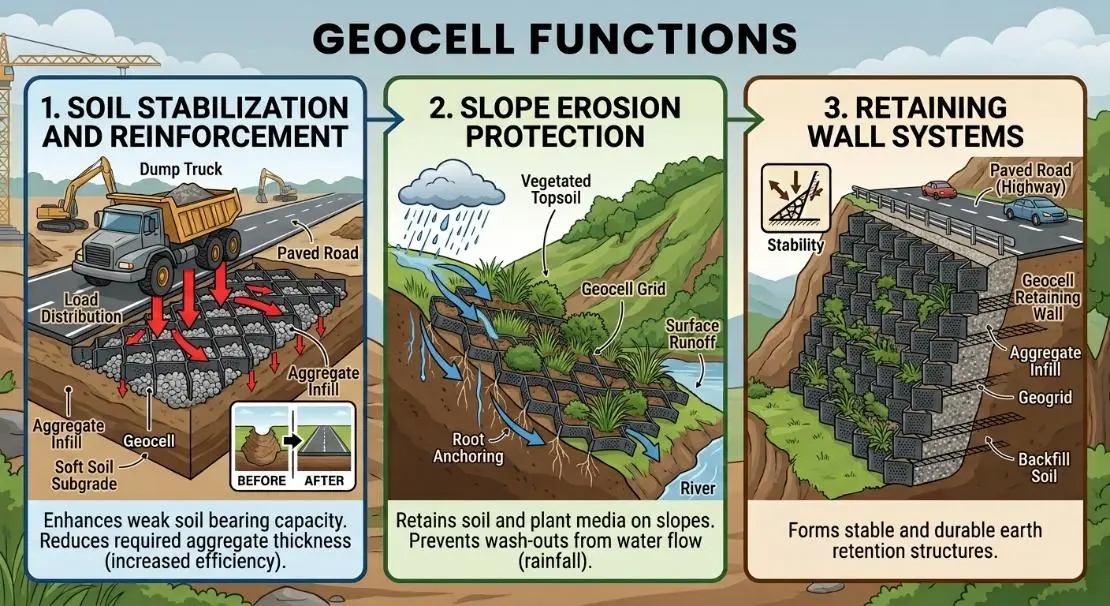
Geocell functions include:
- Soil Stabilization and Reinforcement
Geocell increases the bearing capacity of soft soil, so the required aggregate thickness can be reduced. - Slope Erosion Protection
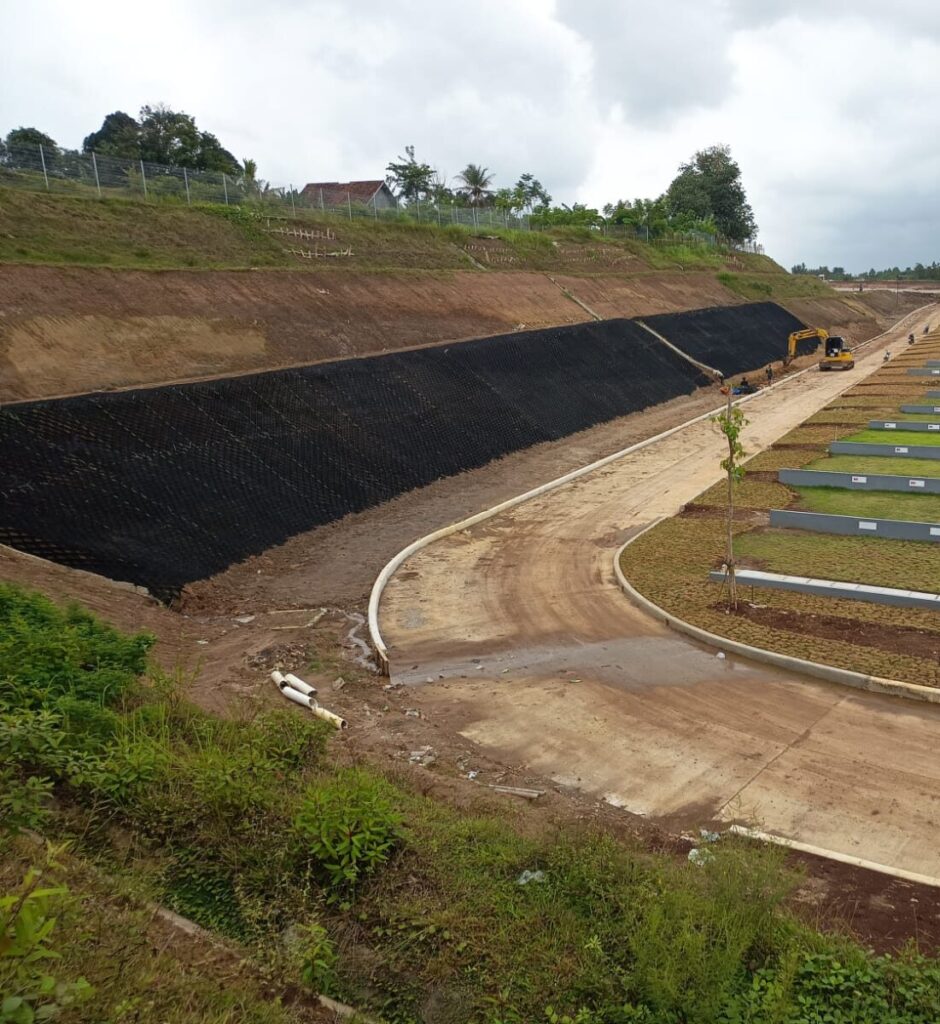
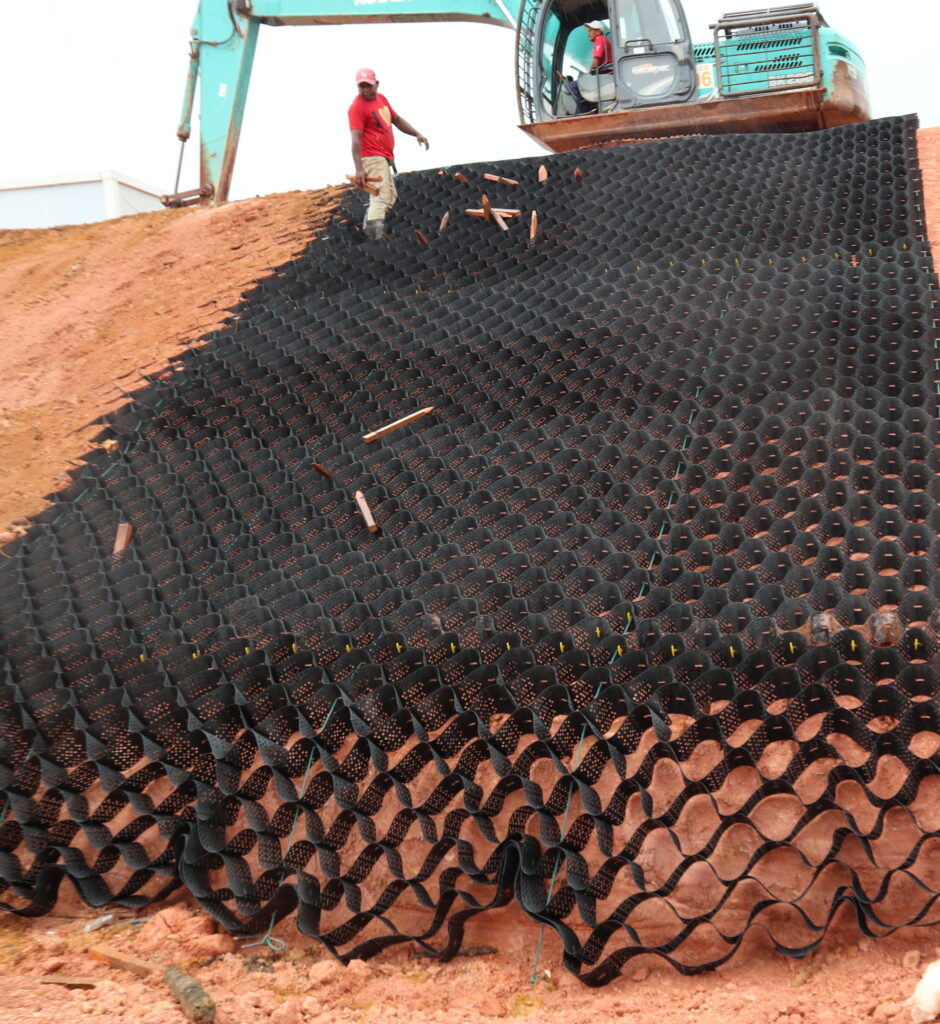
Geocell holds soil and planting media on slopes so they are not washed away by running water. - Retaining Walls
Geocell can form a stable retaining wall structure.
Applications
GEOCELL APPLICATIONS
- Retaining walls The cells are stacked in tiers and filled with soil or aggregate to form a flexible, environmentally friendly retaining wall.
- Water channels and riverbanks As a protective channel lining filled with concrete or stone for irrigation channels, drainage and embankments.
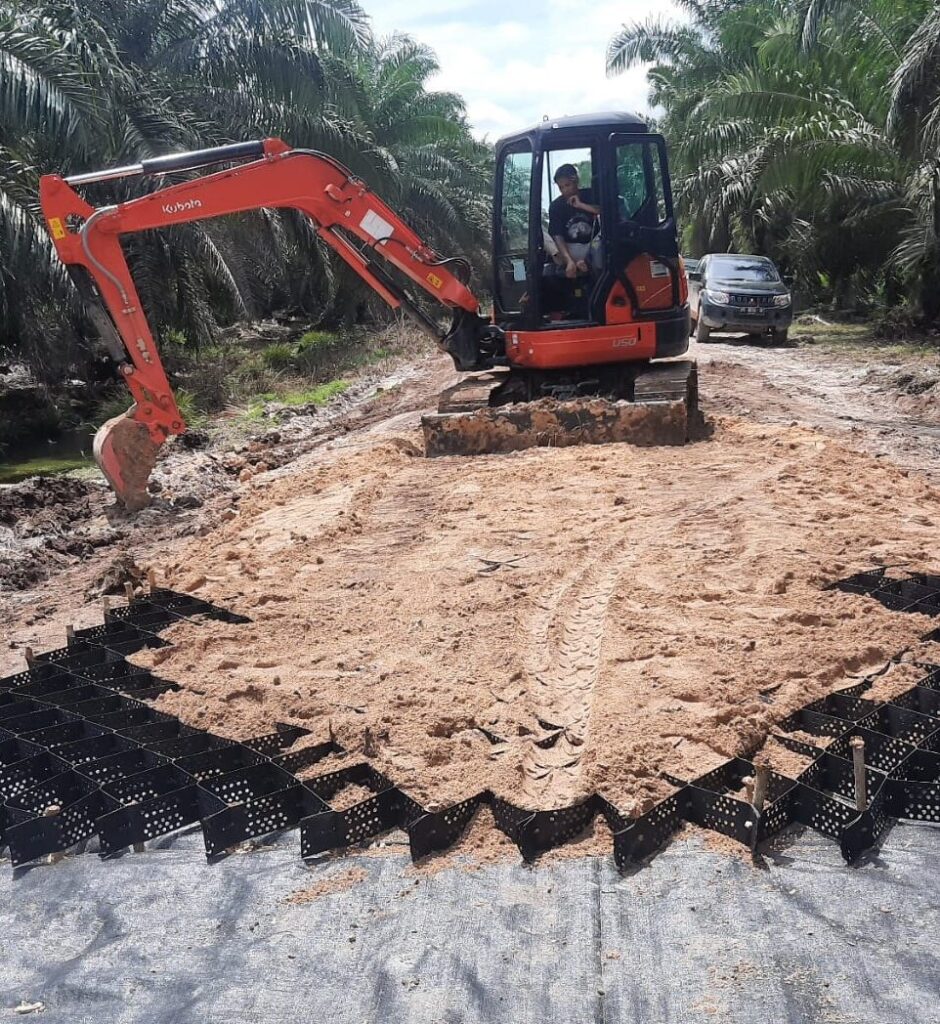
- Green car parks and access paths Filled with soil and grass for areas that need to stay permeable, such as emergency access lanes, car parks and light vehicle paths.
- Landfills As a final cover and to hold cover soil on landfill slopes.
- Mining For haul roads, heavy equipment pads and stockpile areas on weak soil.
- Railways and warehouse areas To stabilize ballast or sub-base and reduce deformation from repeated loads.
- Port areas To reinforce container yards and docks, and to protect shorelines.
Types
TYPES OF GEOCELL
By surface, geocell comes in several types
| Type | Characteristics |
| Smooth | Smooth surface, no perforations |
| Textured Non Perforated | Textured surface, no perforations |
| Textured Perforated | Textured surface with perforations for water flow and plant roots |
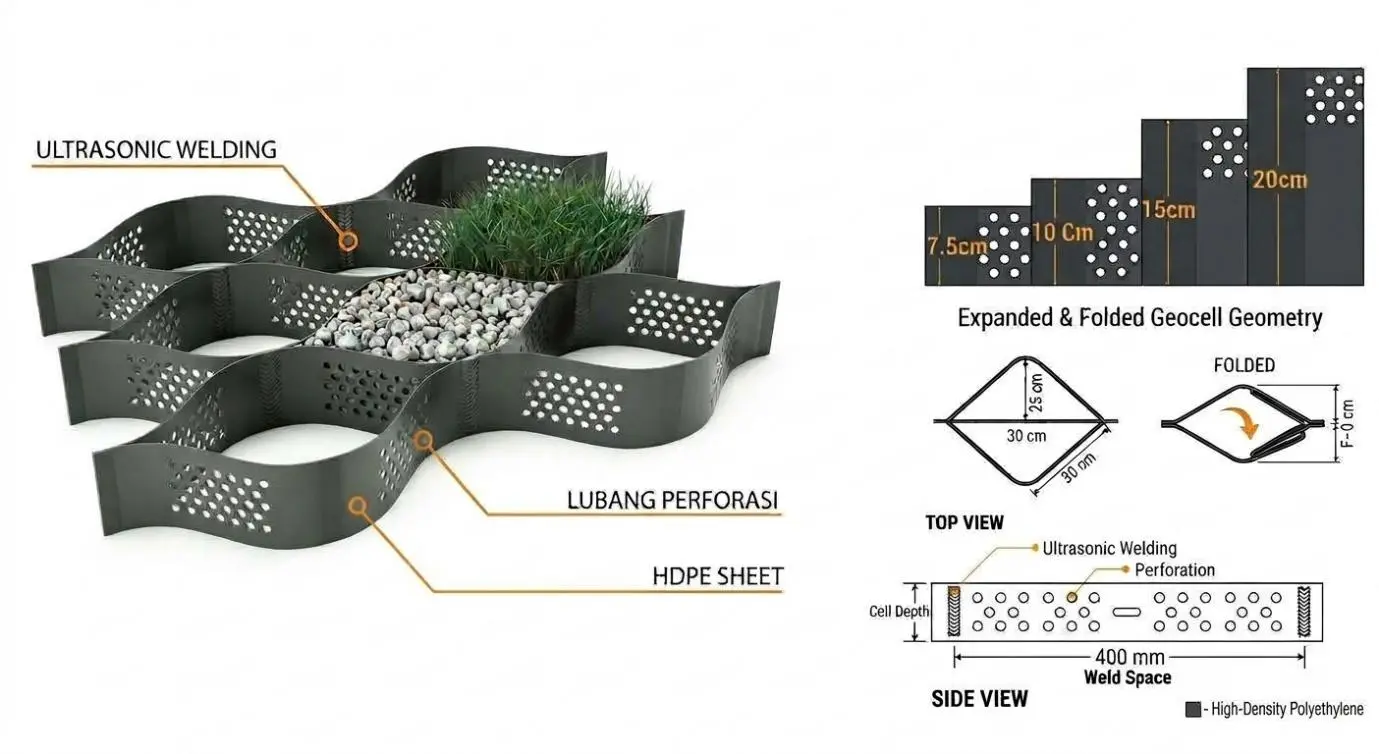
By material height, geocell is available in several cell heights.
| Cell Height | Common Applications |
| 75 mm | Gentle slopes, gardens and footpaths |
| 100 mm | Light roads, car parks and channels |
| 150 mm | Access roads on soft soil and medium slopes |
| 200 mm | Retaining walls, haul roads and heavy-duty use |
Specifications
GEOCELL SPECIFICATIONS
| Brand | Virocell |
| Material | HDPE (High Density Polyethylene) |
| Height | 7.5 cm; 10 cm; 15 cm; 20 cm |
| Thickness | 1.5 mm after texturing |
| Size | 4m x 6m; Customizable |
| Standard | USACE GL 86-19 |
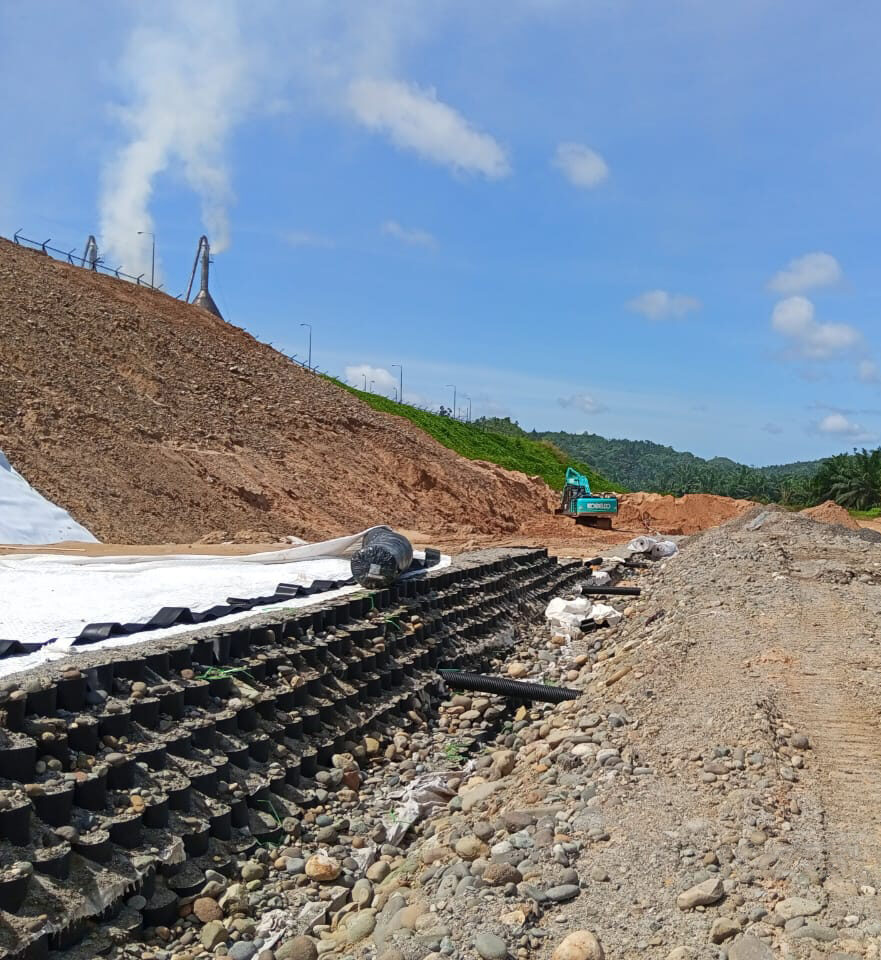
Project Portfolio
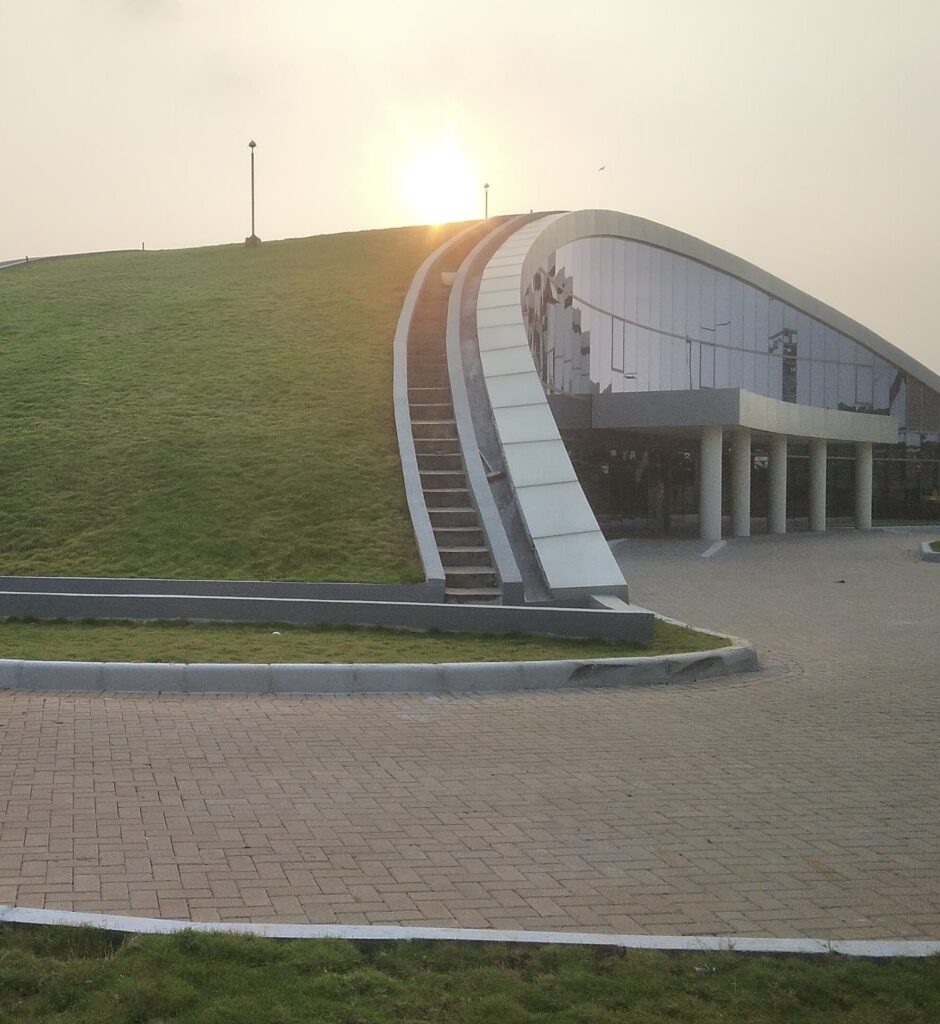
PROJECT PORTFOLIO


FAQ
GEOCELL FAQ
How is geocell installed?
Level and compact the subgrade, lay geotextile if needed, then spread out the geocell panels and secure them with anchors or stakes (J-hooks). Join the panels with Virolock/Keylock connectors, fill them with the specified material, then compact. On slopes, anchors are installed at the top and along the slope according to the design.
What is geocell?
Geocell is a three-dimensional HDPE honeycomb cell system filled with soil, aggregate or concrete to reinforce soil, stabilize roads and control slope erosion.
What is the difference between geocell, geotextile and geogrid?
Geotextile is a flat sheet that provides separation, filtration and drainage. Geogrid is a flat grid that works through tensile reinforcement. Geocell is three-dimensional and works by fully confining the infill material. On some projects, all three are used together.
Is geocell UV resistant?
HDPE geocell generally contains carbon black for UV resistance.
Visit our complete catalog
for more detailed product descriptions!
