


GEOPIPE
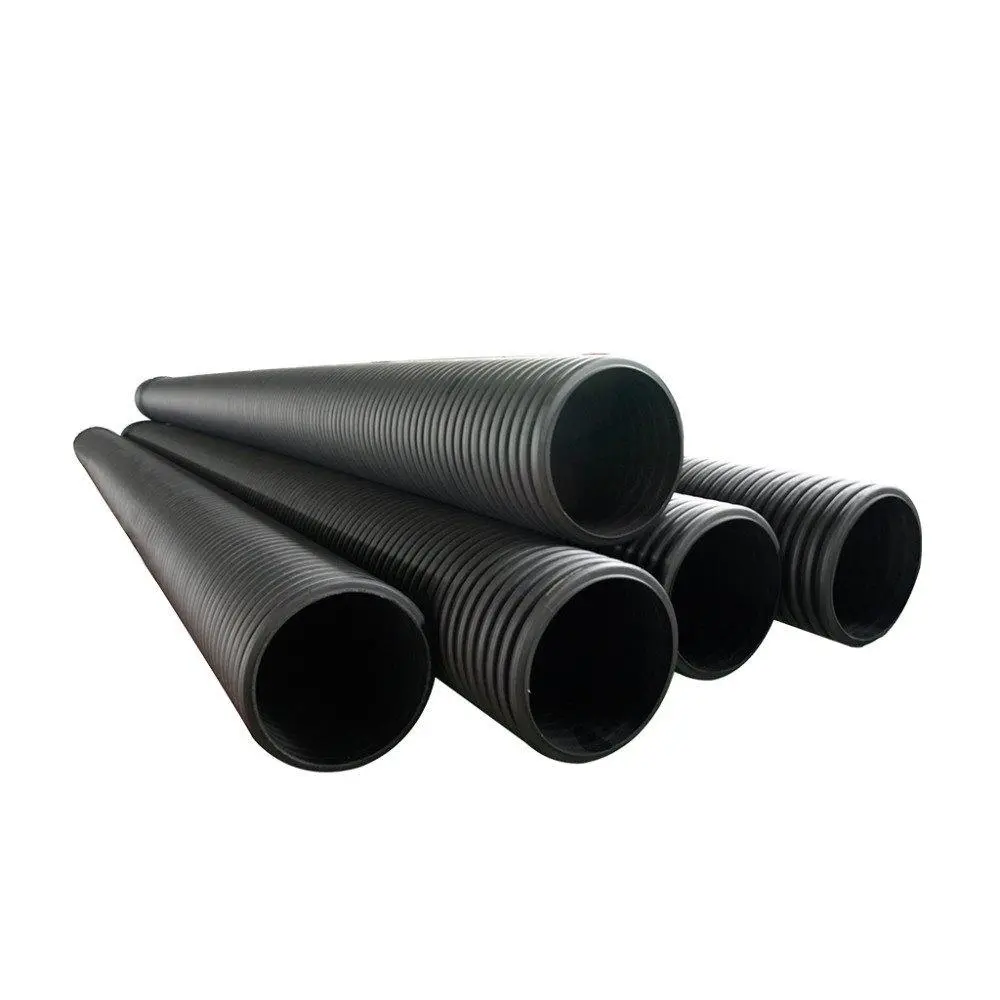
Geopipe has a corrugated wall structure made from High-Density Polyethylene (HDPE). The corrugated design gives it high structural strength (ring stiffness) to carry the soil load above it without sacrificing pipe flexibility.

Joints
GEOPIPE JOINTS
To keep the drainage line sealed and continuous, geopipe can be joined using several practical methods:
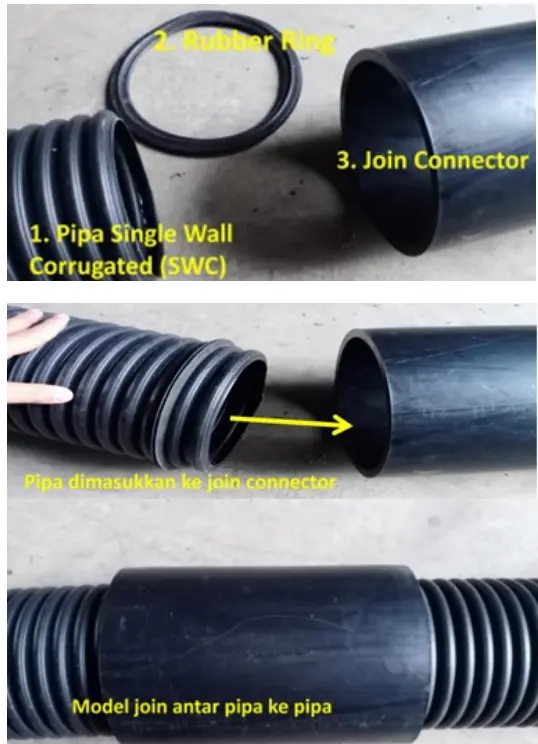
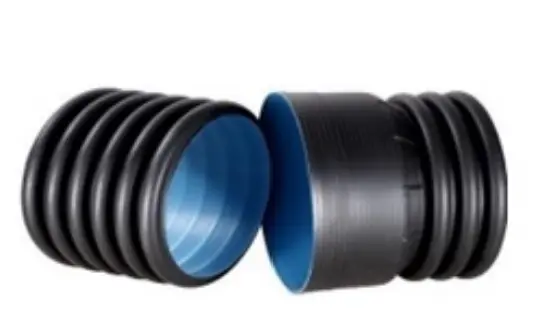
- Socket & Rubber Ring: A practical weld-free joint for single wall and double wall types. It uses a socket connector with a rubber ring to make sure the joint is watertight and does not leak under groundwater pressure.
Advantages
ADVANTAGES OF GEOPIPE
HDPE geopipe has technical advantages over concrete or PVC pipes in many respects, including:
- Lightweight & Easy to Mobilize: Much lighter than concrete, making on-site handling easier without special heavy equipment.
- Flexible & Resistant to Ground Movement: The flexibility of HDPE lets the pipe follow the ground contour and withstand shocks or ground shifts without cracking.
- Chemical Resistance: HDPE is highly resistant to corrosion, strong acids, alkalis and chemical waste liquids (leachate).
- High Flow Capacity & Abrasion Resistance: The smooth inner surface of the double wall type minimizes water friction and prevents sludge buildup.
- Long-Term Durability: The material lasts much longer and resists acidic soil and corrosive substances.
Applications
GEOPIPE APPLICATIONS
Available as perforated and non-perforated pipe, geopipe can be used across many construction sectors:
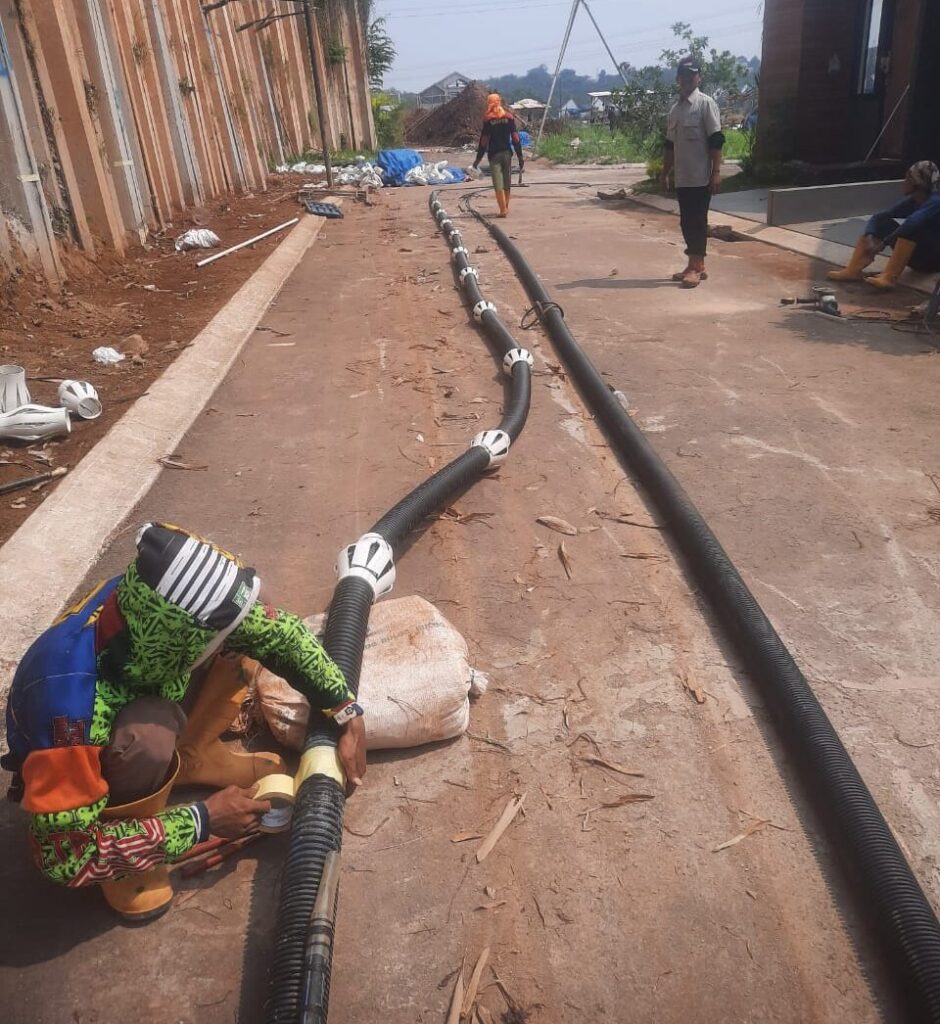
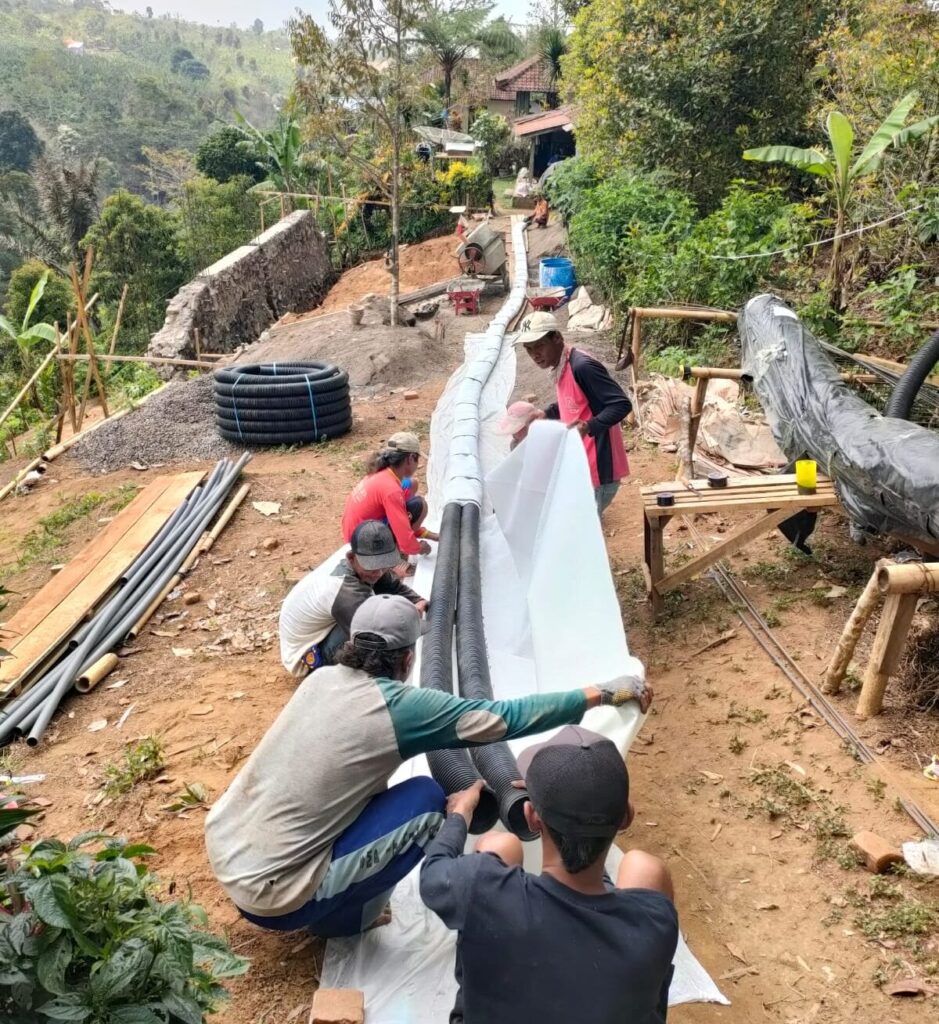
- Subsurface Drainage / Subdrain (Perforated Pipe): The perforated pipe wall absorbs water from the surrounding soil and carries it to an outlet to prevent waterlogging. Very popular for football fields, golf courses, racetracks, agriculture and residential areas.
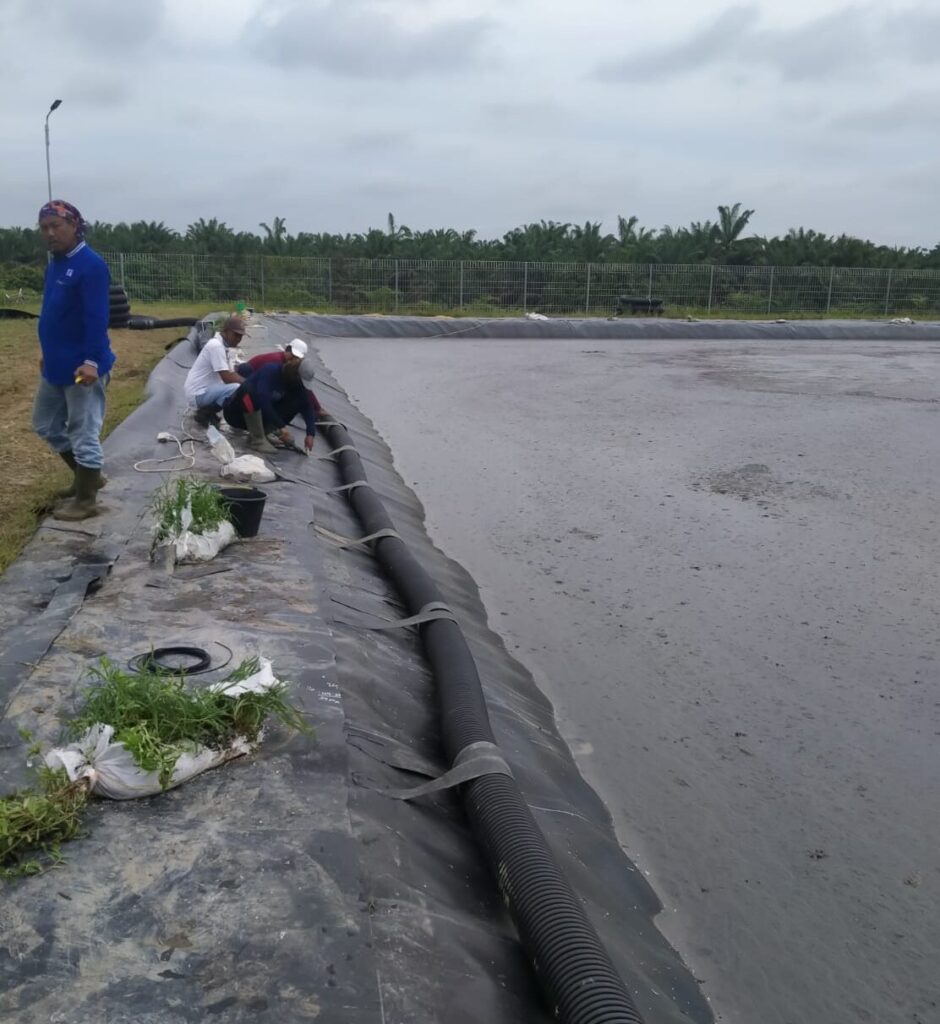
- Leachate Collection / Wastewater Management (Heap Leach): Used in landfills and mining areas to carry chemically aggressive leachate without damaging the pipe.
- Stormwater Drainage: Carries surface rainwater runoff to a water body or main reservoir to prevent flooding.
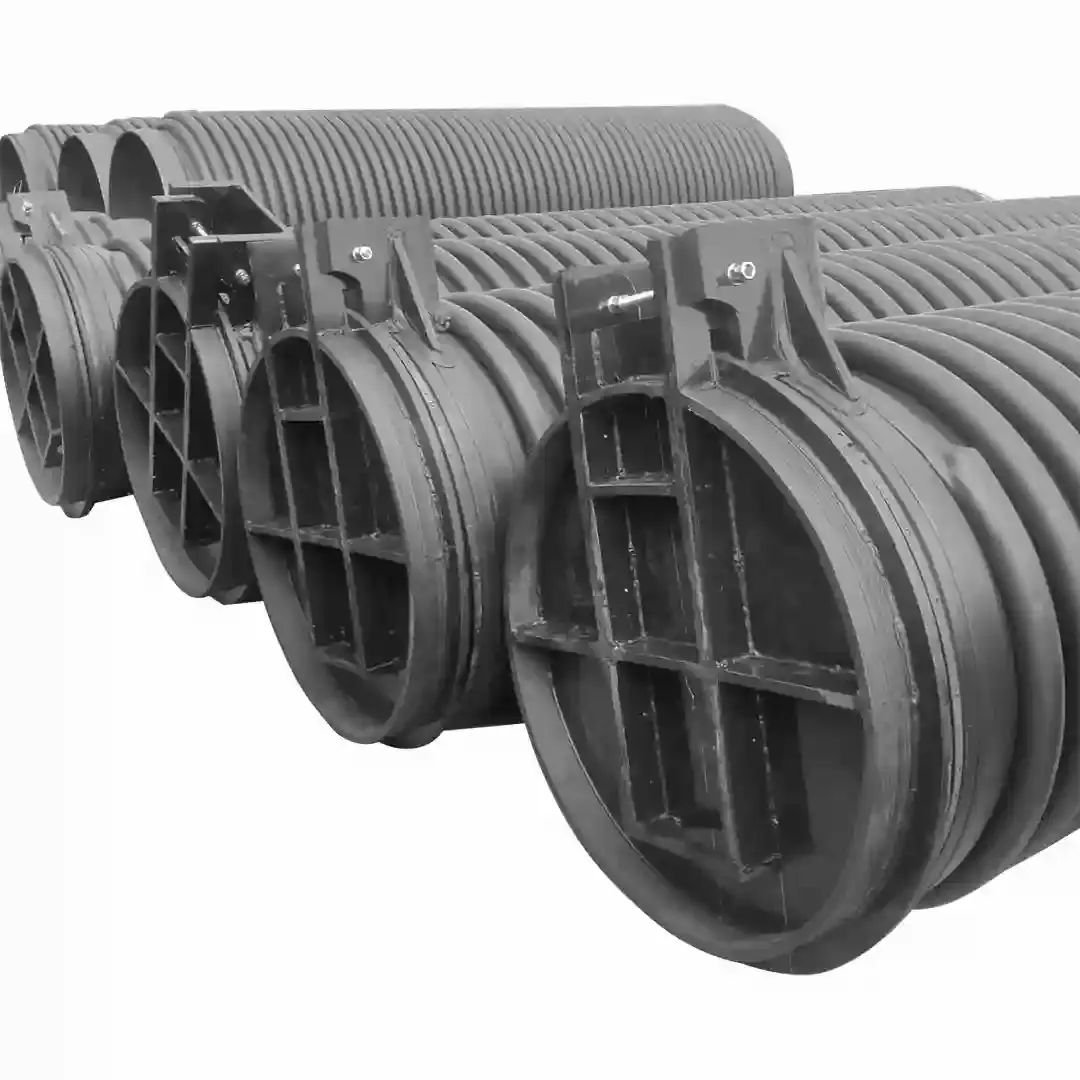
- Outfall Control & Flap Gate Integration: Works as an outfall that can be combined with an HDPE flap gate to prevent backflow of seawater or river overflow at high tide.
Types
TYPES OF GEOPIPE
There are 3 main types of HDPE geopipe for different project scales and needs:
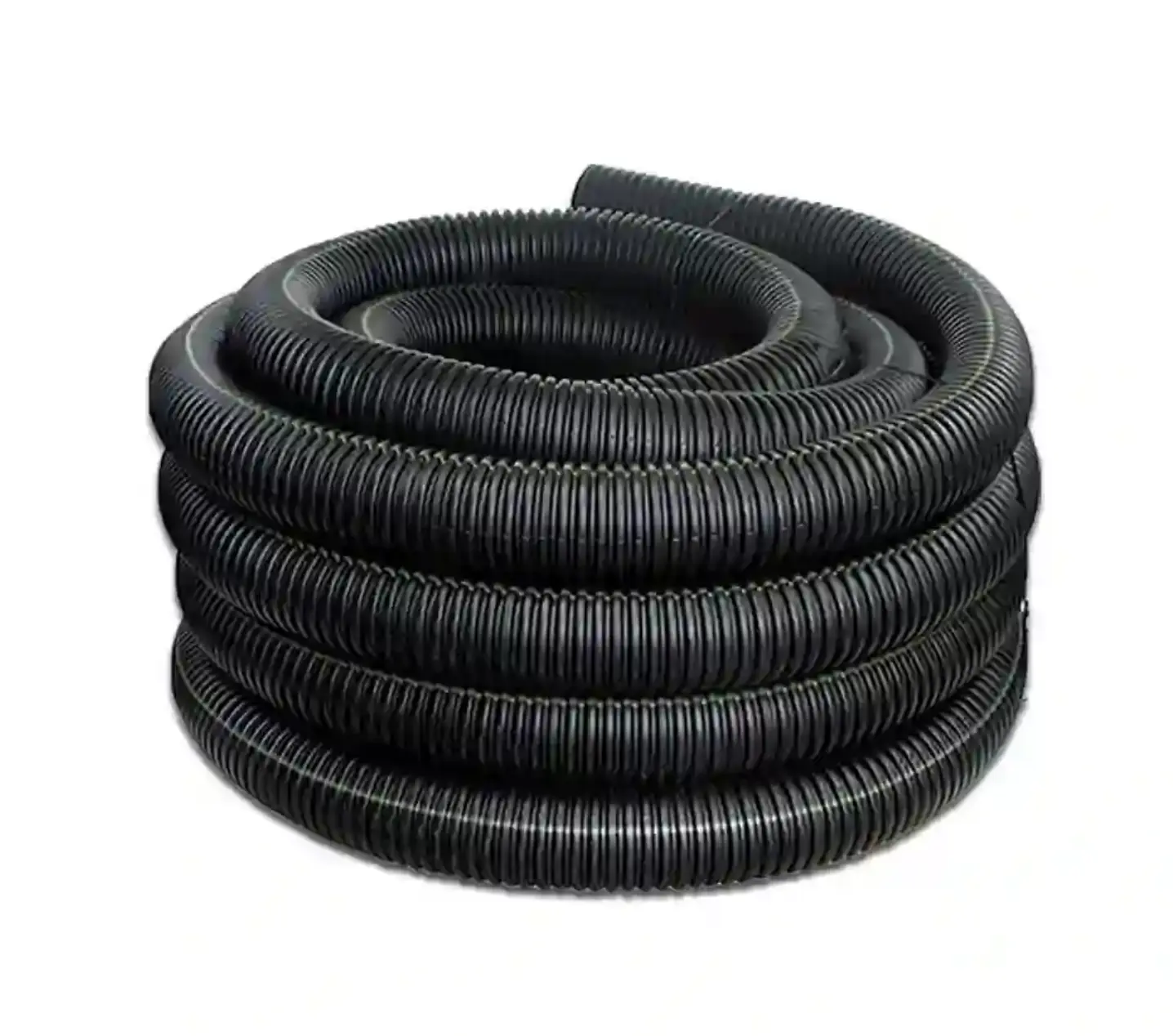
- Single Wall Corrugated Pipe (SWC)
A corrugated pipe with a single wall. Very lightweight, economical and flexible. Ideal for subsurface drainage in grass areas, football fields and housing, and as conduit to protect underground cables.
- Double Wall Corrugated Pipe (DWC)
Has two walls: a corrugated outer wall for load resistance (stiffness) and a smooth inner wall to maximize flow. Designed for industrial drainage, stormwater channels and highway drainage.

- HDPE Spiral Pipe
Designed for large-scale underground infrastructure and able to replace concrete culverts. HDPE spiral pipe can be custom-made to the project’s diameter and withstands heavy-duty vehicle traffic.
Specifications
GEOPIPE SPECIFICATIONS
| Brand | Viropipe |
| Material | HDPE (High Density Polyethylene) |
| Pipe Type | Single Wall; Double Wall; Spiral HDPE |
| Perforation | Perforated and Non Perforated |
| Diameter | 4 inch; 6 inch; 8 inch; up to 1800 mm; Customizable |
| Ring Stiffness (SN) | SN 2; SN 4; SN 8; SN 12.5 |
| Standard | AASHTO M252; JIS K 6922 |
Project Portfolio
PROJECT PORTFOLIO




FAQ
GEOPIPE FAQ
Is single wall corrugated HDPE pipe easy to cut to size on site?
Yes. Single wall corrugated pipe can easily be cut with a saw or utility knife to fit on site.
What is the difference between single wall corrugated HDPE pipe and ordinary PVC pipe?
Single wall corrugated (SWC) pipe is very flexible and easy to bend without fittings (elbows), while ordinary PVC pipe is straight and rigid. SWC pipe also has a corrugated wall, unlike the smooth wall of PVC pipe.
Why does geopipe have a corrugated wall?
The corrugated design gives a high ring stiffness. This structure lets the pipe carry backfill pressure and traffic loads above it without flattening or cracking, while keeping the pipe flexible overall.
What is the difference between perforated and non-perforated geopipe?
Perforated pipe has small holes around its wall, so groundwater can enter (subsurface drainage/subdrain) and be carried to an outlet. Non-perforated pipe has a solid, sealed wall and is used only to carry water from one point to another without leaking or absorbing water into the surrounding soil.
What is the difference between single wall corrugated (SWC) and double wall corrugated (DWC) pipe?
Single Wall (SWC): corrugated on both the outside and inside. Very lightweight, very flexible and economical. Suitable for subsurface drainage in sports fields, gardens or housing.
Double Wall (DWC): corrugated on the outside (for load resistance) but with a smooth inner wall. The smooth inner surface maximizes flow and prevents sludge buildup. Suitable for industrial outfalls, highways and stormwater.
Visit our complete catalog
for more detailed product descriptions!
