


GEOMEMBRANE
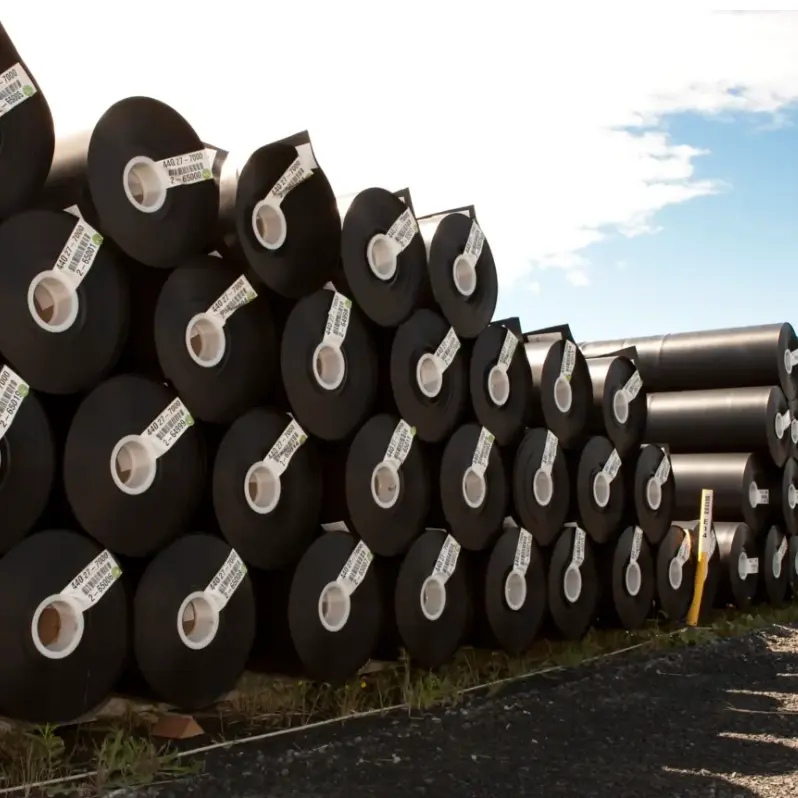
Geomembrane is an impermeable sheet material that protects soil, water and the surrounding environment from liquid seepage and contamination. Made from selected High-Density Polyethylene (HDPE), geomembrane is known for its resistance to microorganisms, chemicals and ultraviolet (UV) light, making it suitable for long-term use in a wide range of site conditions.
Thanks to its strength and durability, HDPE geomembrane is now the first choice for many infrastructure projects, from storage ponds, landfills and mining to aquaculture.

Applications
GEOMEMBRANE APPLICATIONS
HDPE geomembrane from Petra Nusa is trusted for a wide range of needs, including:
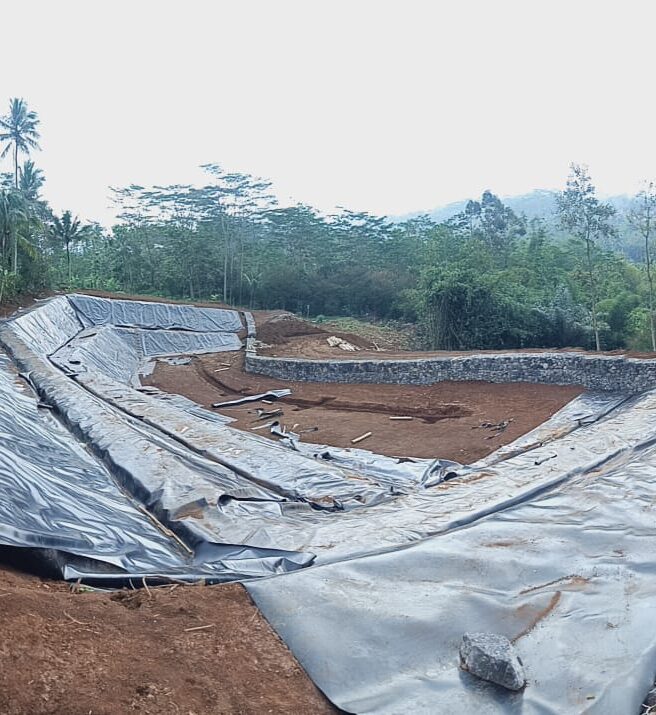
- Water Storage Ponds — reservoirs, dams and artificial lakes
- Biogas Cover Lagoons — covers for biogas treatment ponds
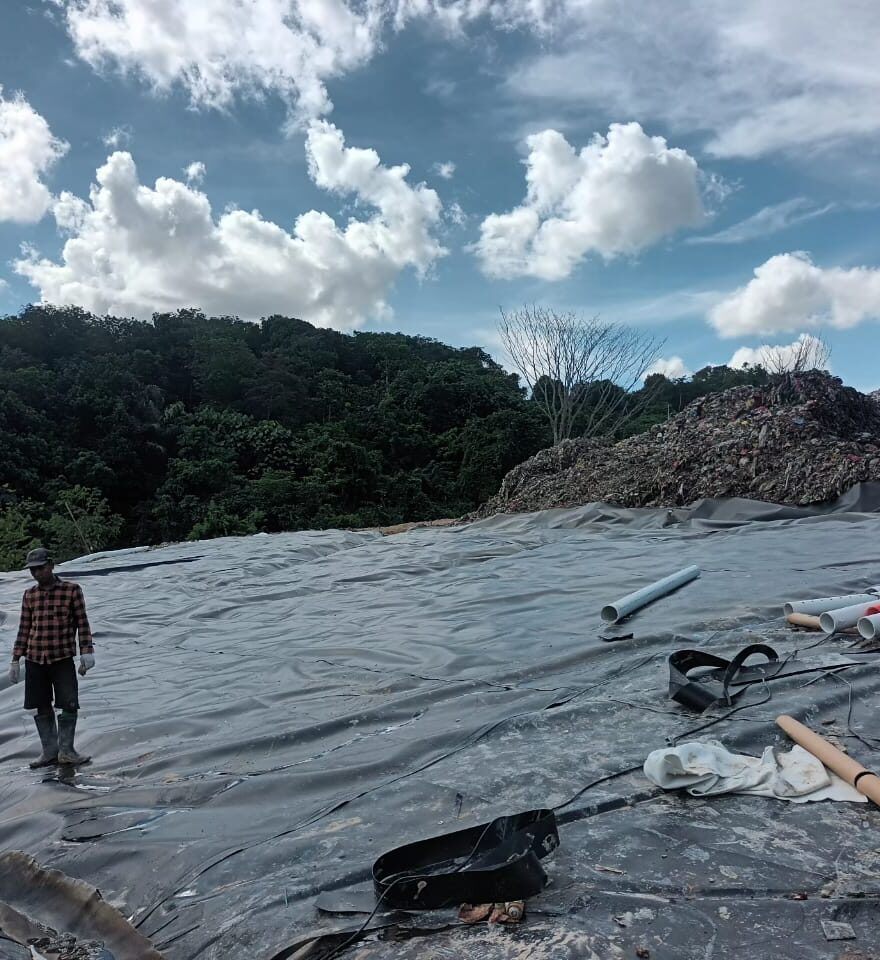
- Sanitary Landfills — base liners for waste disposal sites
- Shrimp Ponds — pond liners for better aquaculture yields
- Coal Ash Yards — coal ash storage areas
- Heap Leach Pads — liners for mining areas
- Mining & Plantation Waste Ponds
- Canal and Water Channel Lining
Whatever your project needs and applications, we are ready to help you choose the most suitable geomembrane type and specification.
Types
TYPES OF GEOMEMBRANE
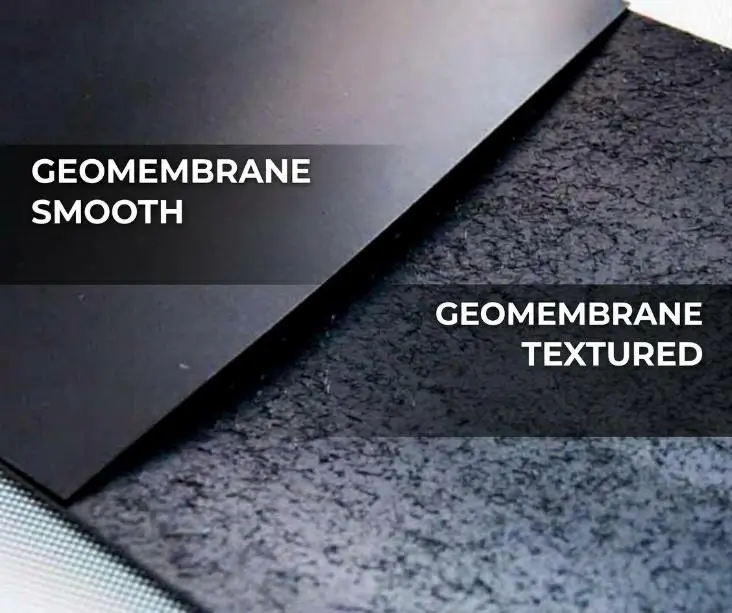
To meet the needs of different projects, Petra Nusa supplies several geomembrane variants based on surface texture:
- Smooth Geomembrane — smooth surface, suitable for general applications
- Single Side Texture Geomembrane — textured on one side for better grip (friction) on slopes
- Double Side Texture Geomembrane — textured on both sides, ideal for steep slopes or where extra stability is needed
As an official distributor, we supply geomembrane from trusted brands: VIROLINE and SOLMAX.
Specifications
GEOMEMBRANE SPECIFICATIONS
We understand that material quality determines the service life of your infrastructure. That is why every geomembrane product we supply has passed a series of strict quality tests and meets the international ASTM standard (GRI GM-13).
| Specification | Details |
| Brand | SOLMAX, VIROLINE |
| Material | Virgin HDPE (High-Density Polyethylene) |
| Thickness | 0.3 mm / 0.5 mm / 0.75 mm / 1 mm / 1.5 mm / 2 mm |
| Width | 6.00 m / 7.00 m / custom to your needs |
| Length | 50 m / 105 m / 140 m / 210 m / 280 m / custom to your needs |
| Weight per Roll | 150 kg / 1,500 kg / custom to your needs |
| Standard | GRI-GM 13 (International) |
Certification & Installation Team
CERTIFICATION & INSTALLATION TEAM
Correct geomembrane installation is just as important as the quality of the material. Our installation team:
- Has more than 10 years of experience in the field
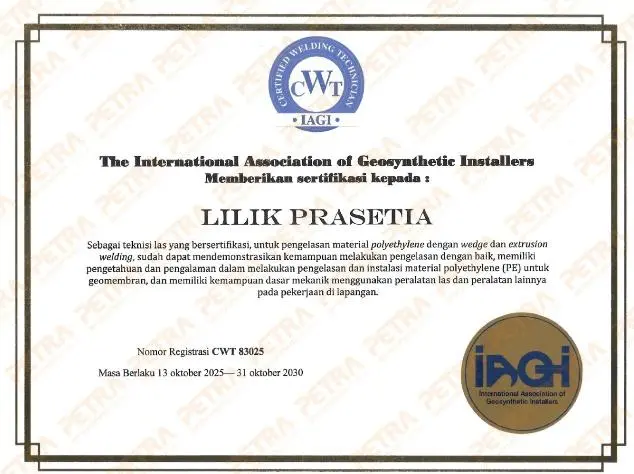
- Holds the international Certified Welding Technician (CWT) certification
- Is equipped with on-site geomembrane testing tools to make sure every welded seam meets quality standards before the project is handed over
With the right combination of expertise and equipment, we help make sure your geomembrane is installed neatly, securely and ready for long-term use.
Project Portfolio
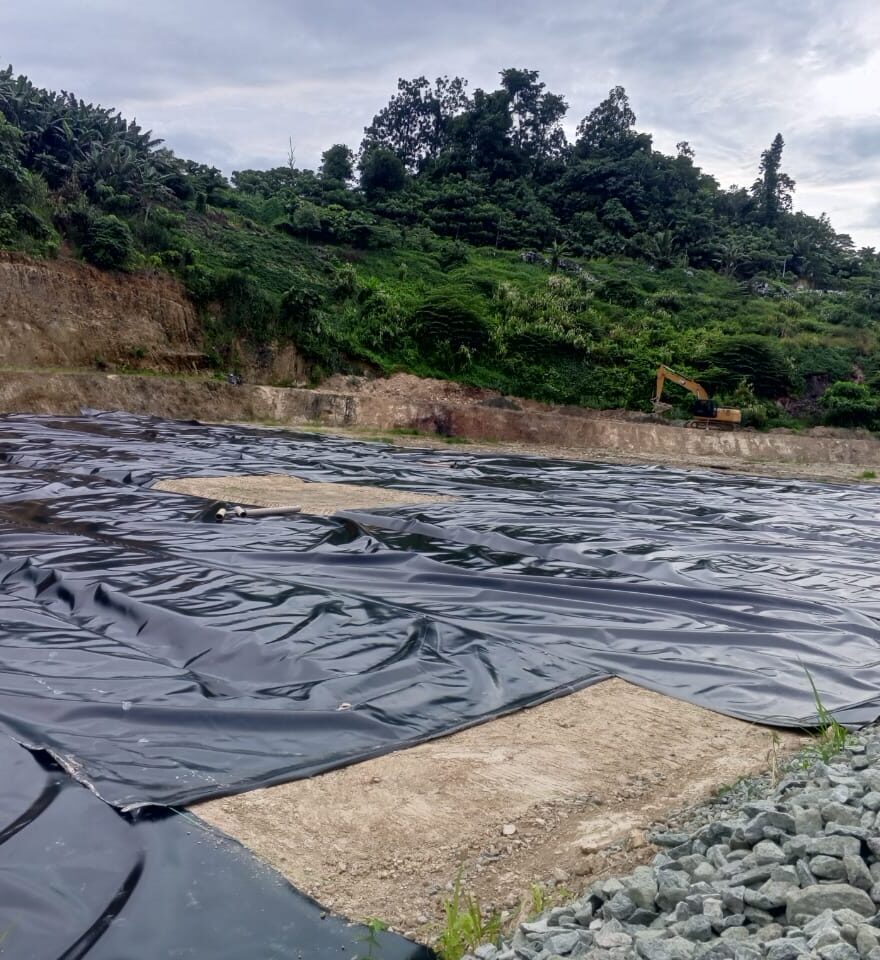
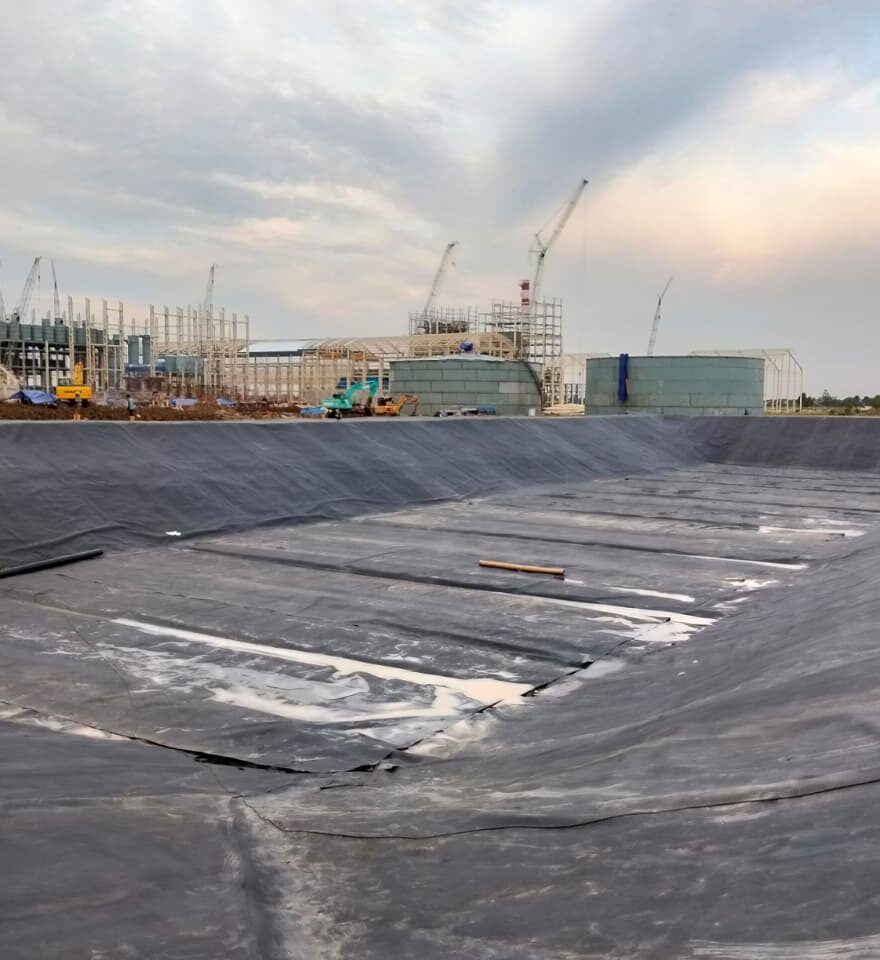
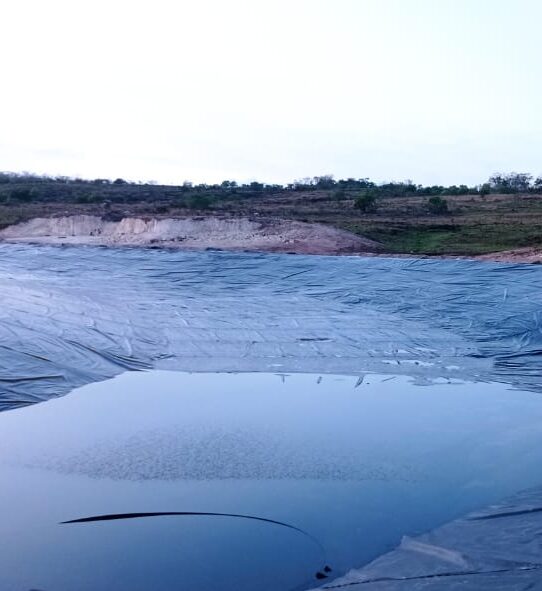
PROJECT PORTFOLIO


Accessories
ACCESSORIES
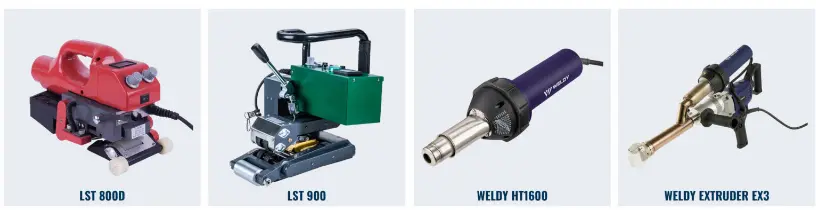
HDPE WELDING MACHINE
We also supply a range of geomembrane welding machines and accessories with advanced technology, including automatic thermostatic control. The stable speed and temperature settings of these machines produce excellent, very strong HDPE geomembrane welds.
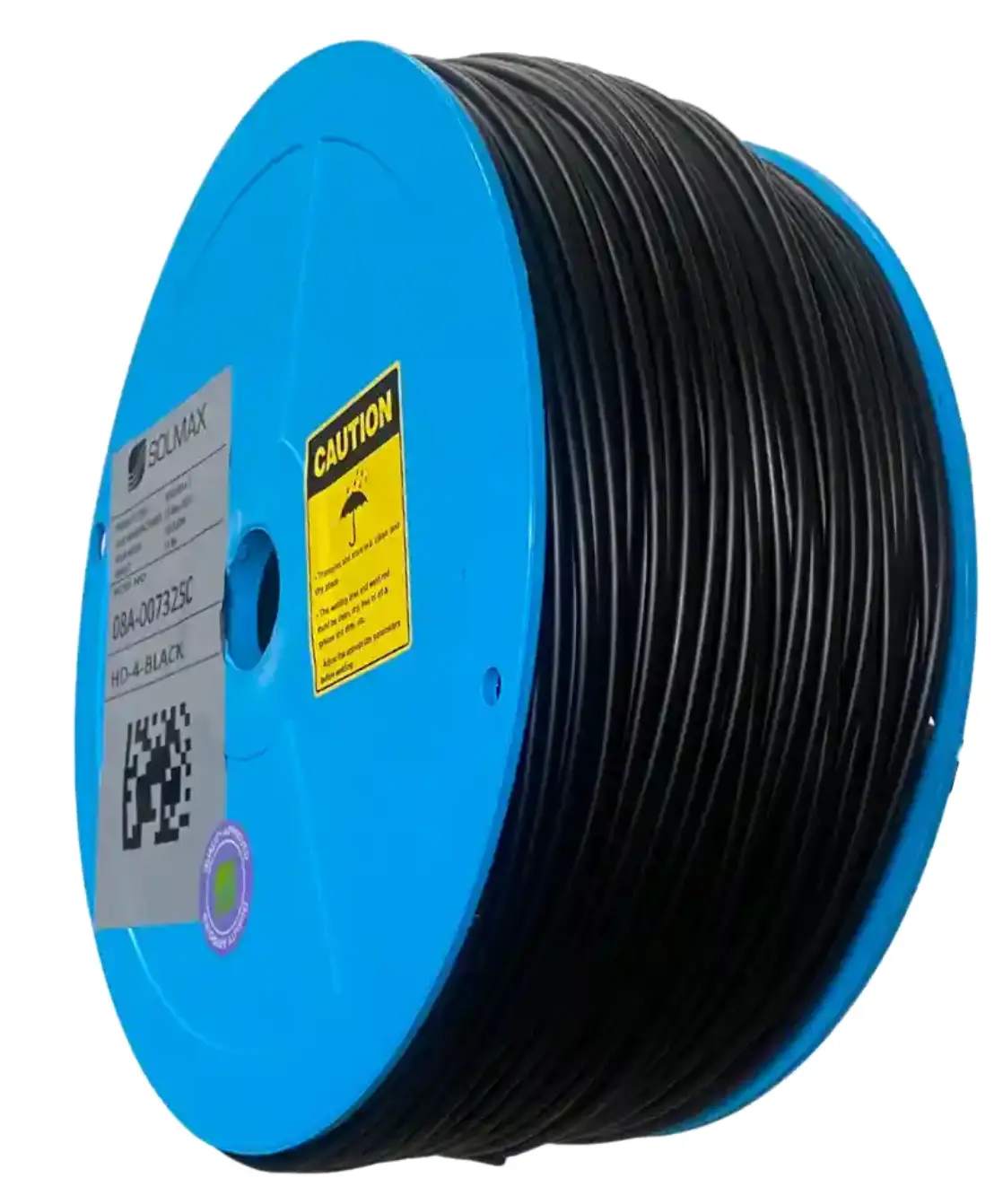
HDPE WELDING ROD
The welding rod is a complementary product to HDPE geomembrane, used to weld HDPE geomembrane with an extruder machine. It is used to join or repair HDPE plastic such as HDPE pipes and HDPE liners. Its simple, neat packaging makes it easy to carry and keeps it protected from moisture.
Consult Us About Your Geomembrane Needs
Every project has its own characteristics and challenges. Our team is ready to help you choose the geomembrane type, thickness and specification that best fit your project needs and budget — from the first consultation through to on-site installation.
Contact the Petra Nusa Team for a consultation and the best quote.
FAQ
GEOMEMBRANE FAQ
What is the difference between HDPE and LLDPE geomembrane?
HDPE (High Density Polyethylene): relatively stiff, with the best chemical and UV resistance, suitable for applications with high UV and chemical exposure such as wastewater ponds and reservoirs.
LLDPE (Linear Low Density Polyethylene): combines strength and elasticity, often used for fish and shrimp ponds because it is more flexible and tear-resistant.
| Factor | HDPE | LLDPE |
| Stiffness | Stiff | Flexible |
| Chemical resistance | Very high | Medium to high |
| Elasticity | Low | High |
| Suitable for uneven contours | Less suitable | Very suitable |
| Common applications | Landfills, mining, industrial waste | Shrimp ponds, fish ponds, slopes |
How long does geomembrane last?
Depending on thickness, chemical and temperature exposure, and installation conditions, good-quality HDPE geomembrane can generally withstand UV exposure for more than 5 years when installed correctly (including proper welding).
Which geomembrane thickness is right for my needs?
The right thickness depends on the application and site conditions. In general:
- 0.3–0.5 mm: small fish ponds and shrimp ponds
- 0.75–1 mm: artificial ponds, raw water reservoirs and canals
- 1.5–2 mm: landfills, wastewater ponds, heap leach pads and projects with high pressure or loads
The higher the risk of leaks or chemical exposure, the thicker the geomembrane we recommend. Consult Petra Nusa about your needs to get an effective solution for your project.
Visit our complete catalog
for more detailed product descriptions!
