Drainage Cell: Benefits, Functions and Applications
Drainage Cell: Benefits, Functions and Applications in Modern Drainage Systems
In modern urban development, effective and sustainable drainage systems are essential. One technology that has emerged as an innovative solution is the drainage cell. This article takes a closer look at the drainage cell, including its benefits, functions and applications in modern drainage systems. Let’s explore further!

What Is a Drainage Cell?
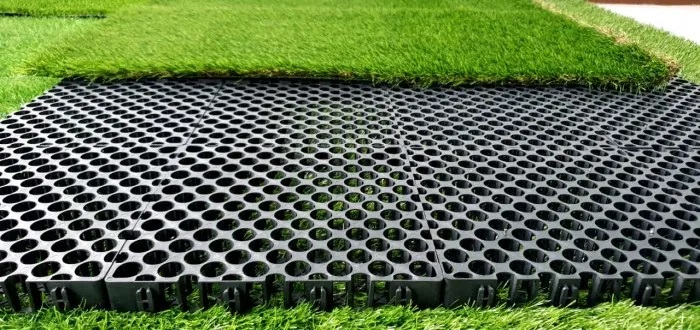
A drainage cell, also known as a “water retention and drainage board,” is a structured plastic panel with voids that is used to regulate water flow in a drainage system. The material commonly used for drainage cells is durable, environmentally friendly polypropylene.
Read Also: Drainage cell for rooftop gardens
Drainage Cell Benefits
Drainage cells offer significant benefits in modern drainage systems. The main benefits include:
1. Efficient Drainage: With drainage cells, water can flow quickly through the voids in the cells, reducing the risk of ponding and flooding.
2. Rainwater Management: Drainage cells allow rainwater to be collected and stored for later use such as irrigation, reducing the load on drains and improving water efficiency.
3. Structural Protection: The voids in drainage cells help reduce hydrostatic pressure on underground structures, protecting building walls and foundations from damage caused by excess water.
4. Environmental Protection: By allowing water to infiltrate into the ground, drainage cells help maintain ecological balance and reduce negative environmental impacts.
5. Easy Installation: Drainage cells are easy to install and can be adapted to many drainage configurations, making them a practical choice for construction projects.
Drainage Cell Functions
Drainage cells play an important role in effective drainage systems. Their main functions include:
1. Load Distribution: Drainage cells spread loads evenly over the ground surface or waterproof liner, preventing damage and deformation from hydrostatic pressure.
2. Water Flow Control: The voids in drainage cells help direct water towards drainage channels, preventing ponding and ensuring efficient drainage.
3. Water Storage: Drainage cells can act as a reservoir for collected rainwater, slowing the flow and reducing the discharge into drainage channels.

Drainage Cell Applications
Drainage cells have been used in many construction and urban planning projects. Applications include:
1. Surface Drainage Systems: Drainage cells can be used in parking areas, yards or green roofs to optimize surface drainage, reduce ponding and support water infiltration into the ground.
2. Retaining Walls: In projects involving retaining walls, drainage cells can be used to prevent excessive hydrostatic pressure and protect the wall structure.
3. Rainwater Harvesting Tanks: Drainage cells are used to build rainwater storage tanks that serve as an alternative water source and minimize runoff into drainage channels.