


Geotextile Benefits and Applications in Construction
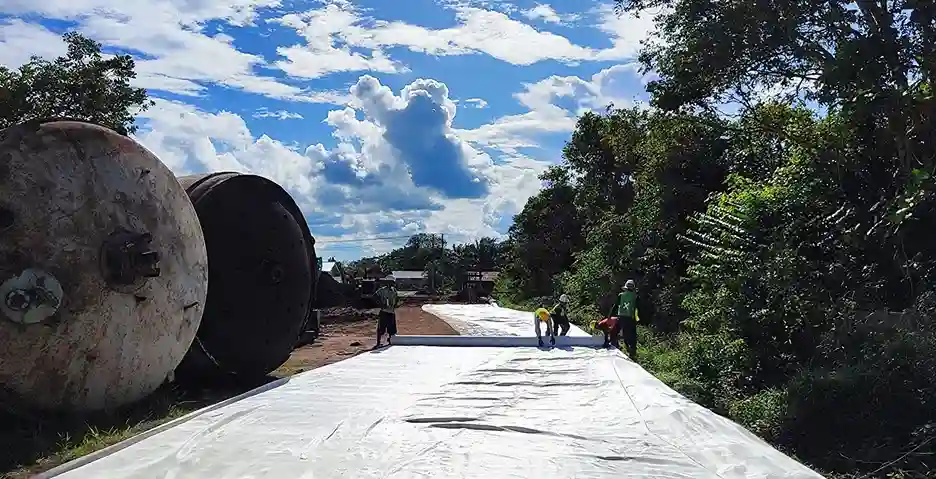
Geotextile in construction is one of the innovations that has brought major change to civil engineering. Using geotextile not only improves construction quality but also provides more efficient and sustainable solutions across a wide range of infrastructure projects.
What Is Geotextile and What Types Are There?
In this section, we explain what geotextile is and the types most commonly used in construction.
Geotextile is a textile material made from synthetic or natural fibres. It is specifically designed for civil engineering applications such as separation, filtration, reinforcement and drainage. Geotextile helps maintain soil stability and extends the service life of structures.
Types of Geotextile
Geotextiles used in construction fall into two main types: woven geotextile and non-woven geotextile.
Woven Geotextile

Woven geotextile consists of tightly woven fibres. This type is usually strong and durable, making it suitable for applications that require resistance to high stress. Its advantages include good water flow and dimensional stability.
Non-Woven Geotextile

Non-woven geotextile, on the other hand, is made by a different process: the fibres are bonded using heat or chemicals. This type is more flexible and has excellent filtration properties, which makes it ideal for drainage and separation applications.
Applications of Geotextile in Construction
Geotextile has many important applications in construction. From road building to dam construction, geotextile helps improve soil quality and reduce the risk of damage.
Geotextile can be used to protect structures from erosion, support slope stability and increase soil bearing capacity. This makes geotextile crucial to the success of construction projects.
Benefits of Using Geotextile in Construction Projects
Using geotextile in construction projects offers a range of benefits that cannot be ignored. Let’s take a closer look at some of the main advantages.
Improved Soil Stability
One of the most significant benefits of geotextile is its ability to improve soil stability. Used as a separation layer, geotextile prevents the soil from mixing with other construction materials such as sand or gravel.
This matters because such mixing can reduce the soil’s bearing capacity, which can eventually lead to structural failure. With geotextile, soil stability is maintained and the risk of damage drops dramatically.
More Efficient Drainage
Geotextile also plays an important role in drainage systems. In many projects, drainage can be a significant challenge. With geotextile, however, water can be drained more efficiently without losing soil material.
As water passes through the geotextile, it is filtered, so the soil particles stay in place. This helps prevent flooding and damage caused by water build-up.
Lower Construction Costs
In the long run, geotextile can reduce construction costs. Although there is an upfront investment in the material, geotextile reduces future maintenance and repair needs. Thanks to its durability, geotextile extends the service life of structures, which also lowers maintenance spending.
With all these benefits, it is clear that geotextile is not just an add-on in construction projects but a vital element in a project’s success.
Challenges in Using Geotextile
Although geotextile offers many benefits, there are a few challenges to keep in mind when using it. Let’s look at these issues more closely.
Handling and Installation
One challenge is the handling and installation of geotextile. If it is not installed correctly, its effectiveness can drop dramatically. Be sure to follow the correct procedures during installation.
Installation errors can cause the geotextile to fail. In addition, inexperienced site crews can add complexity to a construction project.
Choosing the Right Type of Geotextile
Choosing the right type of geotextile for a specific application is another important challenge. There are many types of geotextile with different properties, so it is important to understand the specifications required for each project.
Consulting an expert or civil engineer is a wise step to make sure the geotextile chosen meets the project’s needs. This avoids mistakes that could increase construction costs and time.
Environmental Resistance
Finally, the geotextile’s resistance to environmental conditions also deserves attention. Some geotextiles may not withstand certain chemicals or extreme weather. That is why choosing a high-quality product with good environmental resistance is a must.
By being aware of these challenges, geotextile users can plan the right mitigation measures to get the best results from geotextile in their construction projects.
FAQ About Geotextile in Construction
What is geotextile?
Geotextile is a textile material used in construction and civil engineering for separation, filtration, reinforcement and drainage.
Is geotextile environmentally friendly?
Many types of geotextile are now produced from environmentally friendly materials, although their resistance to environmental conditions should be checked before use.
Can geotextile be reused?
It depends on the condition and type of geotextile. Some can be reused, but in general geotextile is designed for single use over a specific period.
How do you install geotextile correctly?
Geotextile installation should follow the manufacturer’s guidelines and instructions, including correct placement, overlapping and covering with material on top.
What are the main applications of geotextile in construction?
Geotextile is typically used in road construction, erosion control, slope stabilization and drainage systems.
Conclusion
In modern construction, geotextile in construction has proven to make a significant impact. With wide-ranging benefits from improved soil stability to more efficient drainage, geotextile is increasingly vital to the success of construction projects. Although there are challenges in using it, choosing the right type and understanding correct installation can deliver very worthwhile results. That is why professionals and industry players should keep exploring the potential of geotextile to create better and more sustainable projects.
Creating better and more sustainable projects requires innovation and in-depth knowledge of the available construction materials. Geotextile is one smart solution that delivers reliability and efficiency in infrastructure development. With the unique characteristics of the different geotextile types, every project now has access to a tool that supports structural quality and durability.
The Latest Technology in Geotextile Development
In recent years, technological developments have brought significant changes to geotextile. Through these innovations, manufacturers around the world can now offer geotextiles with better performance. Let’s explore some of the latest trends in geotextile development.
Biodegradable Materials
One rising innovation is the development of biodegradable geotextiles. These materials are designed to break down naturally in the environment, so they do not pollute the soil after their period of use. This is an attractive alternative for projects that care about environmental impact.
The arrival of biodegradable geotextiles shows how the construction industry is responding to the need to be more environmentally friendly. In the future, we may see wider use of organic materials, making geotextile part of the sustainable solution.
Advanced Manufacturing Technology
Advances in manufacturing techniques are also leading to more durable products. For example, when processed using nanotechnology, geotextiles can gain better antibacterial or anti-corrosion properties. This extends their service life and provides extra protection for sensitive construction projects.
The involvement of technology is an important milestone for civil engineers, enabling them to design stronger and more efficient structures.
Geotextile Performance Monitoring
Other innovations include the development of geotextile performance monitoring systems using smart sensors. With sensors embedded in the geotextile, operators can monitor pressure, moisture and other structural conditions in real time. This information is crucial for detecting problems early and improving maintenance decisions.
This use of digital technology promises greater effectiveness in project management while supporting continuous improvement in construction practice.
The Role of Geotextile in Sustainable Infrastructure Projects
As attention to sustainability in construction grows, geotextile plays an equally important role. Let’s look at how geotextile can support more sustainable infrastructure projects.
Encouraging Environmentally Friendly Practices
Geotextile makes a positive contribution to waste management and soil protection. In this context, using geotextile in post-mining land restoration projects can reduce erosion and encourage new vegetation growth. It is not just about building infrastructure but also about taking responsibility for the ecosystem.
Geotextile’s role in rehabilitation projects has been shown to deliver significant ecological benefits, encouraging further technical adoption in environmentally friendly applications.
Optimizing Natural Resources
As an effective material in drainage systems, geotextile helps improve water resource management. With better drainage capacity, geotextile allows more rainwater to soak into the ground, preventing runoff that can cause flooding.
Through better management of water and soil, geotextile paves the way for more efficient use of natural resources, in line with the principles of the Sustainable Development Goals (SDGs).
Improving Long-Term Sustainability
Finally, geotextile can deliver sustainable long-term solutions for infrastructure. By improving the stability and durability of structures, geotextile reduces how often upkeep and maintenance are needed, saving resources and time for contractors.
With growing awareness of the importance of sustainability, geotextile can be seen as a smart and economical solution that supports responsible construction practices.
Conclusion
In today’s construction industry, geotextile in construction delivers significant and diverse benefits, from improving soil stability to contributing to better environmental management. With continually advancing technology and growing awareness of sustainability, geotextile stands out as a wise choice for many construction projects. Although there are challenges to overcome, mitigation measures and a thorough understanding of geotextile specifications can deliver the best possible outcome. That is why it is important to keep up with the latest developments in geotextile and seize opportunities for more sustainable and efficient projects in the future.
Other Articles

Part 1: How to Determine HDPE Geomembrane Thickness
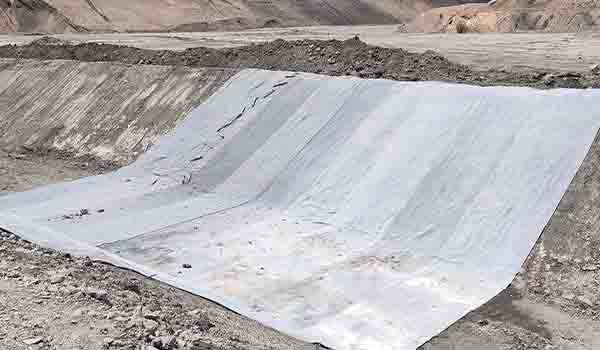
Ever since polymers were first developed as a construction material, engineers have created product variations that make work easier and can be tailored to project needs. Polyethylene was first discovered in 1933 by Fawcett and Gibson using a high-pressure technique. The high-pressure process works at temperatures above 250 degrees Celsius and pressures between 1000 and […]
Geogrid-Reinforced Pavement Design
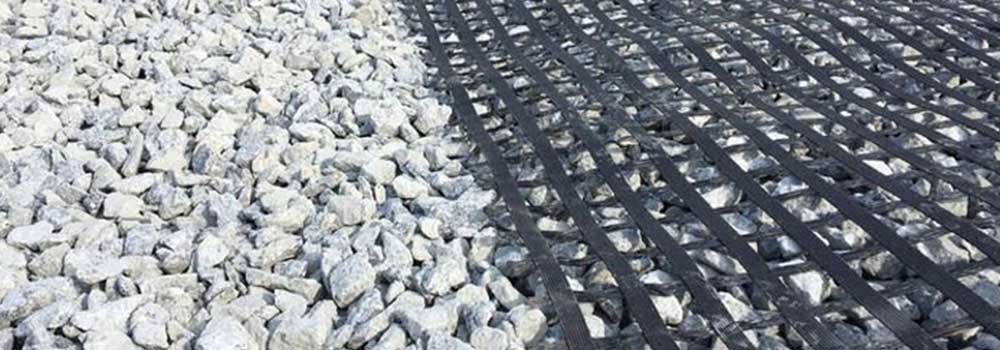
In geogrid reinforced pavement design, Geogrid in road construction with an aggregate surface can support two pavement applications: mechanical subgrade stabilization and aggregate base reinforcement. The application is determined beforehand by the subgrade strength, and the type of geosynthetic recommended for building pavements over very soft subgrade conditions usually serves to stabilize it mechanically. The […]