


HDPE Welding Rod: Definition and Characteristics

HDPE welding rod is an important component in welding plastics, particularly high-density polyethylene. With corrosion resistance and high mechanical strength, this rod provides an effective solution for many industrial and construction applications. This article examines HDPE welding rod in detail, from its definition and characteristics to tips for selecting the best product for your needs.
Definition and Characteristics of HDPE Welding Rod

HDPE welding rod: definition and characteristics
Understanding HDPE welding rod is important because this material is central to quality plastic welding. HDPE has unique properties that make it highly suitable for applications requiring resistance to chemicals, weather, and pressure.
Every HDPE welding rod is manufactured to specific standards so it can fuse properly during welding. Understanding its characteristics helps technicians determine suitable welding parameters for optimal results and ensures the durability and strength of the finished joint.
An HDPE welding rod is also generally available in different sizes and colors to suit specific project requirements and joint types. Its primary advantage is the ability to create strong, durable joints that preserve the integrity of pipes or other plastic components being fabricated.
What Is HDPE and Why Choose HDPE Welding Rod?
HDPE, or High-Density Polyethylene, is a high-density plastic with a compact, stable molecular structure. It is known for pressure and corrosion resistance as well as good insulating properties. Therefore, HDPE welding rod is a leading choice in the plastic-welding industry, especially for applications requiring long-term durability.
Using HDPE welding rod is essential when the completed joint must provide mechanical strength and environmental resistance. As an alternative to mechanical joining or welding with other materials, this rod offers a relatively quick and straightforward process together with a very strong, durable result.
Selecting a quality HDPE welding rod is equally important for achieving optimal welding results. Manufacturers offer many types, ranging from standard rods to products designed for extreme conditions. Understanding the material’s technical characteristics and capabilities helps users match the rod to specific requirements for strength, durability, and ease of welding.
Techniques and Processes for Welding with HDPE Rod

HDPE welding rod: definition and characteristics
Welding with HDPE welding rod requires attention to several factors to ensure joint quality. The technique involves not only heating and melting plastic but also a detailed understanding of the correct welding parameters.
Material preparation is crucial at the initial stage. Surfaces to be welded must be free of dirt, oil, and trapped air that could interfere with joining. The welding temperature must then be set to the material specification, generally between 220 and 250 degrees Celsius, depending on the type and thickness of the material.
The process involves positioning the HDPE welding rod over the joint and applying heat evenly. Once both materials melt, they must be joined precisely to ensure correct alignment and optimal surface consistency. After cooling, the result must be inspected carefully for joint strength and smoothness.
This relatively simple yet effective technology allows users from many backgrounds to weld HDPE successfully. The process can create joints that withstand pressure and chemicals while adapting to various environmental conditions. Users must always follow safety standards and correct temperature settings for optimal, safe results.
Tips for Selecting HDPE Welding Rod for Your Project
Selecting the right HDPE welding rod strongly influences weld quality and joint durability. Understanding the project’s technical specifications and requirements helps identify a suitable rod. Factors to consider include size, color, thickness, and material quality.
First, match the rod size or diameter to the thickness of the material being welded. Thicker materials generally require a larger HDPE welding rod diameter. An unsuitable size may produce a weak joint or make welding difficult. Always consider the ratio between rod diameter and material thickness.
Material quality is also essential. Choose a rod from a reputable manufacturer that follows international standards. A high-quality HDPE welding rod melts consistently, resists breakage, and creates a durable joint. Avoid rods sold far below normal prices by vendors with unclear credentials, as low quality can compromise the final result.
The environment where welding takes place must also be considered. For outdoor work exposed to severe weather, choose a rod with UV and weather resistance. Understanding specific project requirements supports more effective installation and a longer-lasting finished joint.
Advantages of HDPE Welding over Other Joining Methods
When discussing HDPE welding rod, it is important to understand the advantages that make this method a leading choice for plastic applications requiring strength and long-term durability. Compared with mechanical methods or other welding materials, HDPE offers substantial benefits.
A major advantage of welding with HDPE welding rod is excellent joint strength. The finished joint can withstand high pressure and resist chemicals, making it suitable for aggressive industrial environments. With the correct process, the joint can approach the strength of the original material and deliver dependable performance.
Welding with HDPE welding rod is also relatively straightforward and efficient. Compared with mechanical methods requiring numerous additional components such as bolts, fasteners, or adhesives, welding saves time and cost. It also produces a clean, smooth joint without gaps that might cause leaks or damage.
Another advantage is long-term resistance to varied environmental conditions. HDPE as the base material and HDPE welding rod as the joint filler can withstand extreme conditions such as high temperatures, UV exposure, and corrosive chemicals. The rod is therefore well suited to industrial piping, drainage systems, and construction projects demanding maximum durability.
Conclusion
Using HDPE welding rod is an effective solution for welding high-density polyethylene. Its strength, chemical resistance, and efficient welding process create durable, high-quality joints. Selecting a rod suited to project requirements and environmental conditions is essential for successful welding.
Understanding welding techniques and the product options available from different manufacturers helps achieve the best result. HDPE welding combines skill, precision, and suitable material selection. The completed work can therefore meet industry standards and support long-term project performance.
Ultimately, HDPE welding rod is more than a component; it is an important part of successful plastic welding. Investing in a high-quality product and applying the correct technique delivers strong, safe, and durable joints for numerous industrial and construction applications. Always select an appropriate HDPE rod to support every welding project’s success and maximize the quality of its results.
Other Articles

Geogrid Definition and Uses
By definition, a geogrid is a construction material used as reinforcement. Its properties differ somewhat from geotextile materials, even though both serve as reinforcement. We often see geotextiles used in construction, and geogrids are in fact just as commonly used. Geogrids are made by sheet extrusion, stitching, heating and stretching. Geogrids also have high tensile […]

Why Is Geogrid Aperture Size Important?
Geogrid aperture size is critical when selecting a product because it directly affects the performance and effectiveness of the interlock system. Geogrid is used in civil engineering and geotechnical applications to reinforce soil and materials such as aggregate layers. The primary function of geogrid is to provide bearing capacity by distributing loads over a wider […]
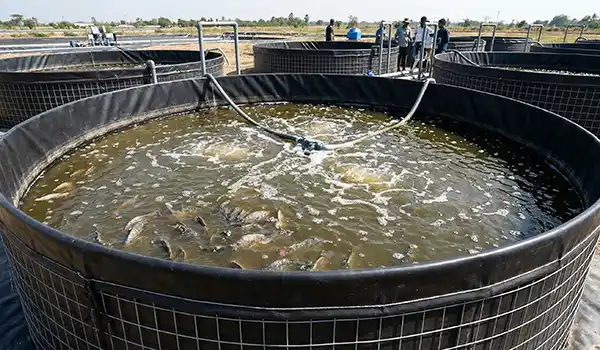
How to Build a Biofloc Pond with HDPE Geomembrane
Hello! Are you looking for a way to increase fish farming yields on limited land? If so, a biofloc system is the answer. However, the secret to biofloc success lies not only in bacteria or feed, but in the pond medium. Using HDPE Geomembrane is the best investment for ensuring your pond is leak-proof and […]