Landfill Capping: Definition and Materials Used
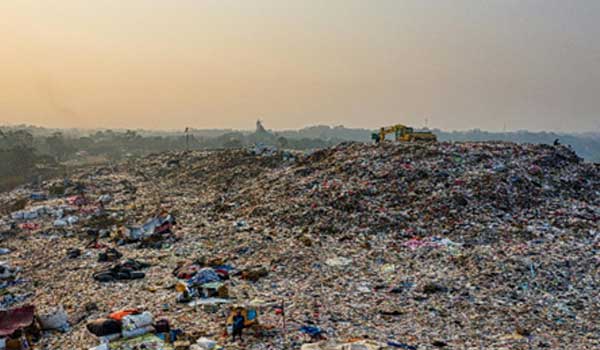
In modern waste management, landfill capping is a key technology for environmental protection. The process not only protects soil and water from waste contamination, but also supports the rehabilitation of former landfill sites. This article takes a complete look at landfill capping, from its definition and procedure to its benefits and the challenges of applying it.
Landfill capping is the process of covering a landfill that is no longer in use with layers of specific materials to prevent pollution. Landfill capping is vital for reducing the environmental and public health risks posed by poorly managed waste. The detailed explanation below gives a complete picture of why this technology matters in global waste management.
Definition and Scientific Basis of Landfill Capping
Landfill capping: definition and materials used
Every step in waste management aims to minimize negative environmental impacts. Landfill capping is the final stage of landfill management, designed to seal the deposited waste physically and chemically. Applying landfill capping is not merely mechanical; it is grounded in scientific principles that make it effective at protecting the environment.
Landfill Capping in General
Landfill capping is the process of covering a landfill with layers of specific materials designed to prevent water, air and living organisms from entering or leaving the waste area. Its main purpose is to reduce the risk of groundwater and air pollution caused by waste that is still active or unstable. Capping is carried out after the landfill has reached its maximum capacity and is no longer used for waste disposal.
In general, landfill capping creates a protective barrier that stabilizes the waste buried beneath it. Through this process, contaminants with the potential to damage the environment can be controlled effectively. Capping is often carried out together with land restoration measures so the former landfill site can be reused for other purposes.
Scientifically, landfill capping involves selecting the right materials and designing the layers comprehensively to meet environmental protection requirements. Researchers study how capping materials interact with waste, as well as external factors such as rainfall, temperature and ground movement that can affect the stability and effectiveness of the layers.
Basic Technical Principles of Landfill Capping

Landfill capping: definition and materials used
The basic principle of landfill capping technology is to prevent contamination from waste reaching the surrounding environment. This is done by building protective layers that can contain, filter and eliminate hazardous substances from the waste. These layers consist of materials such as soil, polyethylene, clay and certain organic materials with high insulating capacity.
Besides protecting against pollution, another important principle is the mechanical and chemical stability of the cover layers. To achieve this, capping materials must be chosen based on the characteristics of the underlying waste and local environmental conditions. Research continues to evolve to find more efficient and environmentally friendly materials and methods for closing landfills.
Once the capping layers are in place, continuous monitoring is essential to ensure they remain stable and do not leak. Innovative technologies such as IoT-based sensors and biochemical analysis are increasingly used to monitor the condition of these layers remotely, making waste management more transparent and safe.
Materials and Methods Used in Landfill Capping

Landfill capping: definition and materials used
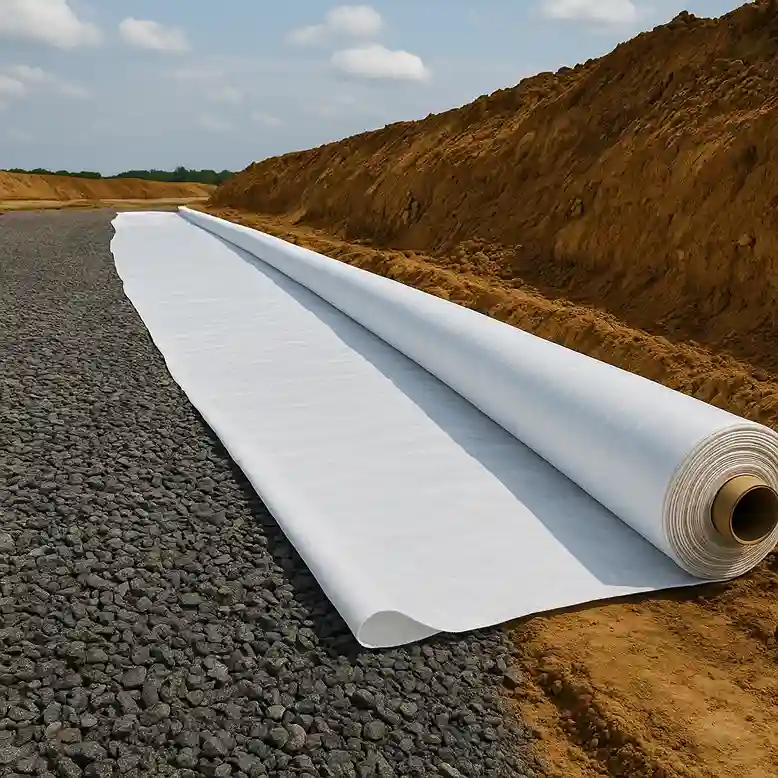
To ensure successful landfill capping, materials and methods must be chosen carefully, based on technical and local environmental analysis. Common materials include soil layers, impermeable layers such as synthetic polyethylene, and clay layers that are naturally impermeable.
Polyethylene is widely used because of its strength, chemical resistance and ability to hold back water. Clay, with its natural impermeability and stability, is a leading choice for cover layers that resist erosion and climate change. In some cases, environmentally friendly organic materials are also added to support bioremediation where needed.
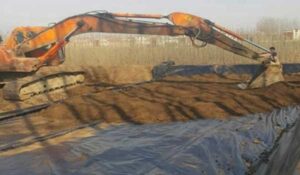
The methods for applying materials in landfill capping must follow strict standards to ensure the layers are truly effective and permanent. The layers are usually built in stages, from spreading the base layer and placing the impermeable material to a tight, stable top cover. It is important to prevent damage during construction so the layers can perform well over the long term.
Besides the main materials, geosynthetics and innovative earthwork techniques continue to be developed so that landfill capping can be carried out faster, more effectively and more cost-efficiently. This approach not only reduces pollution risk, but also improves the appearance and usefulness of the former landfill site once closure is complete.
The Role of Geosynthetic Clay Liner in Landfill Capping
Using a geosynthetic clay liner for landfill capping is vital for keeping the environment safe from contamination by hazardous substances. The main function of a GCL in a landfill system is to act as an impermeable layer that protects groundwater and the surrounding environment from hazardous chemicals that may leak from the waste.
Besides acting as a waterproof barrier, GCL also helps reduce gas emissions from the waste trapped beneath it. Methane and carbon dioxide produced by waste decomposition can cause air pollution and explosion risks if they are not managed properly. A GCL can keep these gases from escaping into the environment while allowing efficient venting and gas management.
One important consideration is its mechanical stability and durability in extreme environmental conditions. In landfill capping, a GCL must withstand pressure from waste that increases over time, as well as weather such as heavy rain, extreme heat or soft ground. The GCL’s resistance to bending, tearing and corrosive chemicals makes it effective and superior to alternative materials.
Using a geosynthetic clay liner for landfill capping offers the advantage of adapting to changes in the underlying ground and providing a flexible yet strong barrier. As a result, the waste stays tightly sealed and the risk of environmental pollution is far lower.
Benefits and Positive Impacts of Landfill Capping

Landfill capping: definition and materials used
Applying landfill capping is not only about protecting the environment; it also directly affects sustainability and the quality of life of nearby communities. With the right protective layers, the risk of groundwater and air pollution can be significantly reduced.
Protecting the Environment from Hazardous Contamination
Landfill capping: definition and materials used
The main benefit of landfill capping lies in its ability to stop hazardous substances moving between the landfill and the surrounding environment. Without an effective cover, active waste can produce leachate that seeps into soil and groundwater and releases hazardous gases into the atmosphere.
When a landfill is covered with impermeable, stable layers, the likelihood of pollution drops dramatically. This is crucial because groundwater contamination can spread to clean water sources, directly affecting public health and ecosystems. Greenhouse gas emissions such as methane from unaerated waste can also be held back, helping to limit contributions to global warming.
Under ideal conditions, landfill capping can turn a former landfill into green space, a park or a recreation area that is safe for the public. This is a major step in turning waste into a source of benefit for the surrounding community.
Better Waste Management and Rehabilitation of Former Landfill Sites
Besides protecting the environment, landfill capping also supports the rehabilitation of former disposal sites so they can be reused for the desired purpose. An effectively covered area can be rehabilitated into a park, a housing complex or another public facility without pollution risk.
The process ensures that buried waste no longer actively spreads contaminants and reduces the management burden after closure. Many large cities apply this policy as part of their sustainable development programs. With proper management, former landfill sites can once again benefit the community, making cities greener and healthier.
Managing waste in this way also requires strict supervision and monitoring systems. Modern technology makes this easier, including sensors and automated systems that detect changes in the condition of the cover layers. Through this strategy, sustainable waste management is better assured and communities feel the benefits directly.
Economic and Social Benefits of Landfill Capping
Implementing landfill capping also brings equally important economic and social benefits. Economically, closing a landfill properly usually reduces the costs of active management, remediation and long-term clean-up. In addition, rehabilitated capped areas can be turned into new economic spaces such as city parks or commercial areas.
Socially, landfill capping improves the quality of life of communities around the landfill. A cleaner, safer environment reduces health risks and increases comfort. Communities can also have more confidence in the development of infrastructure and public facilities, as environmental pollution risks are increasingly under control.
This step realizes the concept of sustainable development that addresses environmental, economic and social aspects together. When landfill capping is carried out correctly and consistently, communities enjoy long-term benefits in the form of a clean, safe and healthy environment.
FAQ about Landfill Capping
What is landfill capping and why is it important?
Landfill capping is the process of covering a landfill that is no longer in use with layers of specific materials to prevent pollution. It is important for reducing the risk of soil, water and air pollution and for protecting ecosystems and the health of nearby communities.
What materials are usually used in landfill capping?
The main materials include soil, synthetic polyethylene, clay and environmentally friendly organic materials. The choice depends on the characteristics of the waste and local environmental conditions so the cap performs well and lasts.
How long does landfill capping usually take?
The duration depends on the size of the area and the condition of the base layer. In general, the work can be completed in a few weeks to a few months. Once complete, the layers must be monitored and maintained regularly to keep them performing optimally.
Can landfill capping be used for all types of waste?
Not all waste is suitable for landfill capping, especially hazardous chemical waste that requires special treatment. For stable, non-hazardous waste, the process is highly effective and is commonly carried out as part of final landfill management.
How is monitoring carried out after landfill capping is complete?
Monitoring is carried out with sensors installed on site, regular water and air quality testing, and visual inspections. Technologies such as automated systems and data analytics help ensure the cover layers remain effective and safe.
Conclusion
Landfill capping is an important innovation in modern waste management focused on sustainability and environmental protection. By effectively covering landfill areas, the risk of soil, water and air pollution can be significantly reduced. The right materials, innovative methods and modern monitoring technology make landfill capping an efficient, environmentally friendly long-term solution.
Proper implementation not only protects ecosystems and public health, but also allows former landfill sites to be rehabilitated into useful, productive spaces. This strategic step is part of the global effort toward responsible and sustainable waste management. A clean, healthy environmental future depends on our commitment to applying landfill capping effectively and consistently.
In the modern era, successful waste management depends heavily on the innovation and technology applied. Landfill capping is one of the best solutions for keeping the environment clean and healthy. As part of a responsible waste management strategy, this technology shows that with careful planning and proper execution, we can create a better environment for future generations.
Other Articles

Types of Geosynthetics and Their Geotechnical Functions
Geosynthetics are factory-made polymer products used in structures that interact with soil, rock or other geotechnical engineering materials. The types of geosynthetics most commonly used are geotextile, geocell, geogrid, geomembrane, geocomposite, geomat, geosynthetic clay liner, geopipe and others. Geosynthetic materials come from the plastics industry: polymers, rubber, fibreglass and other materials. All geosynthetics are generally […]

2 mm HDPE Geomembrane Applications in Civil Construction
In civil construction, one material that is getting more and more attention is 2 mm HDPE geomembrane. It is known for withstanding extreme conditions and providing optimal protection for infrastructure. This article reviews the key aspects of 2 mm HDPE geomembrane. You will learn about the material’s characteristics and its benefits in modern construction projects. […]