


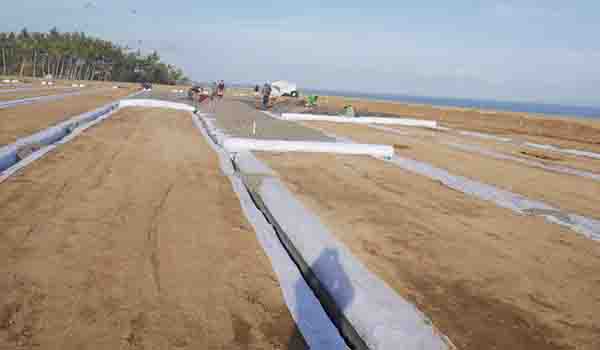
Drainage Planning Guide: Flood-Free and Durable
Have you ever seen a newly paved road develop potholes within only a few months, Petra Friends? Or a property yard that becomes muddy every time it rains? Often, the main problem is not the asphalt or soil quality but one frequently overlooked factor: a poor drainage system. If you are designing a residential development, […]
Guide to Choosing Geopipe Material
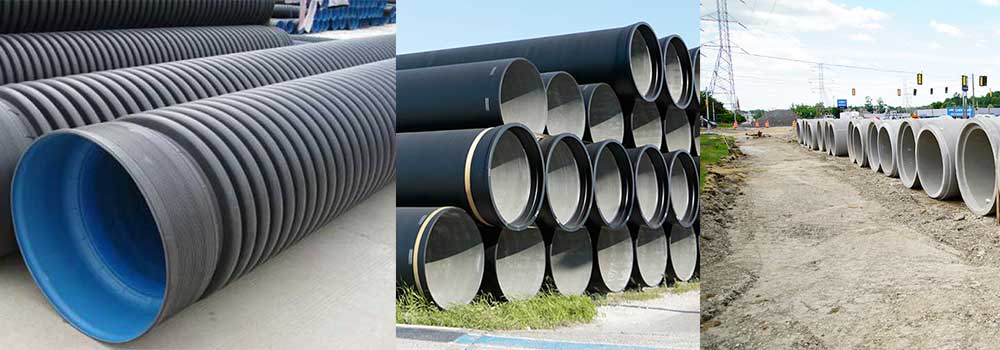
Most projects need a channel that can carry liquids such as infiltration water, wastewater, leachate and so on. Sometimes a protective layer is also needed for cables below the ground surface. These needs are usually met with pipes, which can be made from various materials such as plastic, iron and concrete. This guide to choosing […]

What Is Geopipe / HDPE Corrugated Pipe?
What Is Geopipe / HDPE Corrugated Pipe? HDPE Corrugated Pipe, also known as geopipe, is a pipe with a corrugated wall structure made from high-density polyethylene. This type of pipe is commonly used for drainage systems, infiltration systems and water channels. Contact us The corrugated structure makes the pipe very flexible and resistant to pressure […]
HDPE Corrugated Pipe and Spiral Pipe
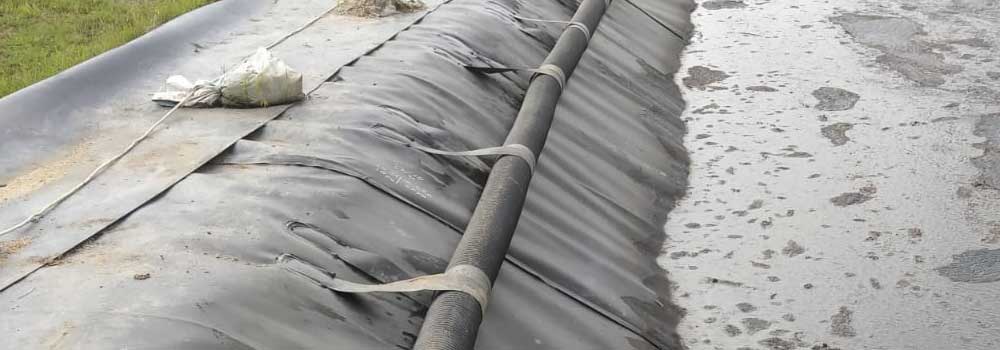
HDPE Corrugated Pipe HDPE corrugated pipe is made from high density polyethylene (HDPE) polymer and has a corrugated (spiral) profile. It replaces underground concrete pipes and surface pipes or hoses. This type of material is used instead of concrete because the pipe is lightweight and more flexible, yet its resistance to overhead loads is close […]

HDPE Spiral Corrugated Pipe Installation
HDPE corrugated pipe installation is fairly simple, but corrugated pipe installation requires attention to the backfilling rules, because backfilling plays a very important role in pipe performance. The backfilling requirements are as follows:

Maximum Fill Height for HDPE Corrugated Pipe
HDPE corrugated pipe is more economical than steel or concrete corrugated pipe in culvert applications. Its corrugated pipe fill height capacity, meaning its strength under embankment loads, can be analyzed using soil-structure interaction (SSI), so the maximum fill height can be determined by considering pipe size, corrugation geometry, backfill quality and service life. Read Also […]