Woven Geotextile: Functions and Applications

Woven Geotextile
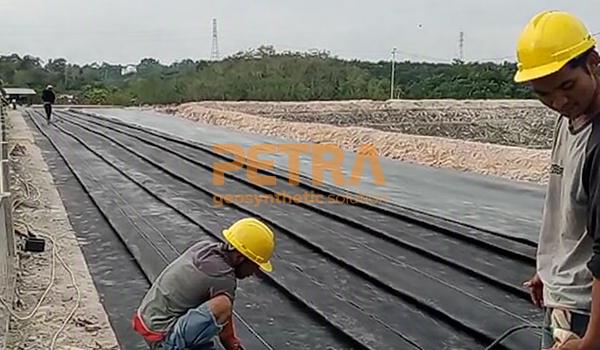
Woven geotextile is a geotextile material made by weaving on state-of-the-art machines. It is a permeable woven fabric that can be used with soil.
Geotextile geosynthetics can reinforce, protect, filter and separate. The geotextile sold on the market today is made from polypropylene or polyester. Woven geotextile is one type; there is also non-woven or needle punched material.
This material is durable and long-lasting and can reduce the likelihood of landslides or soil damage. Geotextile belongs to the category of geosynthetics that benefit geotechnical engineering structures.

Woven refers to the weaving process. Woven geotextile is made by interlacing two or more sets of yarns at right angles to each other. The woven fabrics we usually see are made from natural or blended fibers, but woven geotextile is made from synthetic fibers (polypropylene or polyester).
Woven Geotextile Functions
One function of woven geotextile is filtration. Filtration is a process that balances the soil layer so that water can flow through properly. Filtration is very important in construction, for example in road building, because the number of soil particles carried by water must be kept to a minimum.
To illustrate: if water can pass through the filter layer but carries too many particles, the process will damage the soil layer. That is why geotextile plays such an important role as a filter that water can pass through.
Geotextile is an excellent solution to geotechnical problems, because it is permeable to water while retaining soil particles. For filtration, either woven or non-woven geotextile can be used.
Geotextile applications
Geotextile is known for withstanding high loads, and it is also widely used in permanent erosion control projects. Using woven geotextile makes the soil layer firm and strong so that it is not easily washed away by water.
The material also has a reinforcement function. Stabilization is one area where it has been used successfully: highway construction is one stabilization project that uses geotextile, and railway tracks are another.
Slope reinforcement is another example that uses the reinforcement function of woven geotextile. The soil on a slope becomes more stable with geotextile, reducing the risk of landslides. The reinforcement function has also been applied in the construction of dike retaining walls.
The surface of this material has small, tightly spaced pores, which allow it to work as a separator. This woven material can be used in construction projects that require separation, such as road building, where it keeps the subgrade from mixing with the aggregate.
Other Articles

Buy HDPE Geomembrane Rolls in Various Sizes
Buy HDPE geomembrane rolls priced by the m2 or by the roll. This HDPE plastic geomembrane is made from virgin plastic rather than recycled material, giving it high quality and a very high level of impermeability. If you are looking for the best waterproof lining solution for infrastructure, mining, aquaculture ponds or TPA (landfills), HDPE […]