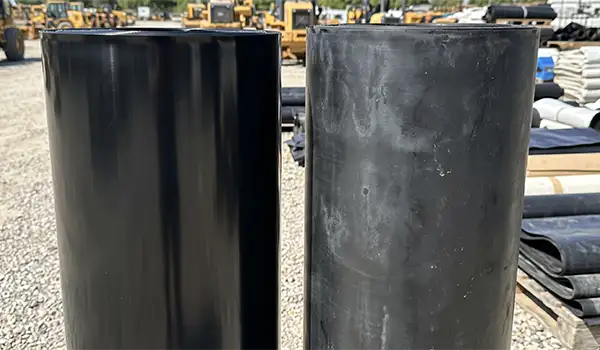
Geotextile Characteristics, Types and Functions

Geotextile is a textile material designed for a wide range of geotechnical applications, especially those related to soil and water control. In construction, it plays an important role in maintaining soil stability, preventing erosion and increasing soil bearing capacity. This article takes an in-depth look at geotextile characteristics, types, functions and practical applications.
What Is Geotextile?

Geotextile is a synthetic material made of polymer fibers processed into thin sheets. It falls into two main categories: woven and non-woven.
Geotextile is used very widely, from road and bridge infrastructure projects to water and environmental management.
History and Development of Geotextile
The use of geotextile can be traced back several decades, to when engineers were looking for solutions to soil stability and water management problems. At first, geotextile was used only in large projects such as dams and highways.
Over time, geotextile manufacturing technology has continued to develop. Today, many types of geotextile are available on the market, each with its own characteristics and advantages.
Main Components of Geotextile
Geotextile consists of several main components that give it its functional benefits. Some of the key components are:
- Polymer material: usually made of polypropylene or polyethylene, which makes it resistant to weather and corrosion.
- Fabric structure: the type of structure, woven or non-woven, affects the filtration capacity and tensile strength of the geotextile.
- Size and thickness: variations in size and thickness allow flexible use according to project needs.
With a good understanding of these components, we can better appreciate the role of geotextile in various civil engineering applications.
Basic Functions of Geotextile
The basic functions of geotextile fall into several main categories:
- Filtration: helps separate soil particles from water, preventing drainage channels from clogging.
- Stabilization: increases soil bearing capacity, ideal for areas prone to settlement or landslides.
- Erosion Control: maintains soil integrity in erosion-prone areas by holding the soil surface in place.
- Barrier: restricts water movement between different soil layers, helping with water management and soil conservation.
Understanding these functions shows how important geotextile is in modern construction.
Geotextile Characteristics by Type
Several types of geotextile are commonly used in the construction industry, each with different characteristics.
Woven Geotextile
Woven geotextile is made of fibers woven together.
Its advantages include:
- High Strength: good resistance to strain and loads, making it suitable for projects that need high bearing capacity.
- Dimensional Stability: shows little change in size under pressure, making it a good choice for long-term applications.
However, woven geotextile also has limited filtration capability, so it is not suitable for every application.
Non-Woven Geotextile
Unlike the woven type, non-woven geotextile is made without a weaving process.
Some of its main characteristics are:
- Good Filtration: lets water flow through easily while still retaining soil particles.
- Flexibility: easier to apply on uneven and hard-to-reach areas.
Even so, non-woven geotextile is usually not as strong as the woven type, so the choice must match the needs of the project.
Layered (Composite) Geotextile
This type is a combination of woven and non-woven geotextile.
Its benefits include:
- Balanced Strength and Filtration: provides an optimal solution that takes both strength and filtration into account.
- Versatile Applications: can be used in many kinds of projects, for both soil stabilization and erosion protection.
This variety of geotextile types lets engineers choose the material that best suits the specific needs of their project.
Choosing a Geotextile Type
When choosing a type of geotextile, several factors need to be considered:
- Soil Characteristics: the type and consistency of the soil where the geotextile will be applied.
- Environmental Conditions: weather, humidity and potential contamination must be taken into account.
- Application Purpose: whether it is for filtration, stabilization or erosion protection.
A thorough analysis of these aspects is essential so that the geotextile system can work effectively.
Geotextile Applications Across Sectors

Geotextile has found many applications across sectors, including infrastructure, agriculture and environmental management.
Infrastructure
In the infrastructure sector, geotextile is often used for:
- Road Construction: improves road foundations and reduces damage caused by soil movement.
- Dams and Waterways: prevents soil erosion around water bodies and strengthens dam structures.
- Bridge Projects: helps stabilize the soil around bridge foundations and prevents landslides.
Correct use of geotextile in infrastructure development is critical to ensuring a long structural life and user safety.
Agriculture
In agriculture, geotextile can deliver significant benefits, such as:
- Erosion Control: protects farmland from erosion during heavy rain.
- Drainage Management: regulates water flow to prevent waterlogging and crop rot.
- Terrace Farming: reinforces terraces on sloping land so they are more stable and productive.
These practices show how geotextile can contribute to sustainability in agriculture.
Environmental Management
Geotextile also plays a role in environmental projects, such as:
- Contaminated Soil Remediation: helps contain contaminants so they do not spread into the surrounding soil.
- Waste Management: used in landfills to prevent waste from leaking into the soil.
- Land Rehabilitation: encourages new vegetation growth by providing support for the soil.
Geotextile applications in an environmental context are crucial for reducing the negative impact of development on ecosystems.
Future Trends in Geotextile Applications
Future trends show that geotextile use will keep increasing as technology develops and awareness of sustainability grows.
- Eco-Friendly Materials: innovation in geotextiles made from biodegradable, environmentally friendly raw materials.
- Smart Technology: integrated sensors to monitor soil and water conditions in real time.
- Modular Design: design approaches that allow more efficient and adaptive use.
Knowing these trends offers hope for better solutions in the construction and environmental sectors.
Important Considerations When Using Geotextile
When deciding to use geotextile, several considerations should be kept in mind.
Soil Analysis and Feasibility
Before applying geotextile, it is important to carry out a thorough soil analysis.
This includes:
- Soil Strength Tests: to determine whether the soil is strong enough to support the application.
- Soil Composition: understanding the existing soil type in order to choose the right type of geotextile.
With the right analysis, we can avoid mistakes and get the most out of the material.
Execution and Installation
After choosing the right geotextile, the next step is execution and installation.
Points to note include:
- Work Area Preparation: make sure the area is free of debris and material that could cause damage.
- Installation Technique: follow the manufacturer’s instructions to ensure correct installation so the material performs at its best.
Good execution has a major effect on the durability and effectiveness of the installed material.
Maintenance and Monitoring
Once the geotextile is installed, regular maintenance and monitoring are important.
This includes:
- Routine Inspection: making sure there is no damage or change.
- Surrounding Soil Care: monitoring soil conditions around the geotextile area to identify problems early.
Attention to this maintenance helps ensure the longevity of geotextile installations in the field.
Conclusion
Geotextile is a very important material in construction and environmental management. With its many types and applications, it offers a range of solutions to various technical and management problems.
From its long history of development to the latest innovations, an in-depth understanding of geotextile and its applications is very valuable for professionals in civil engineering, agriculture and the environment. Going forward, with a growing focus on sustainability and efficiency, the use of geotextile will continue to grow and become an integral part of many construction and natural resource management projects.
Other Articles
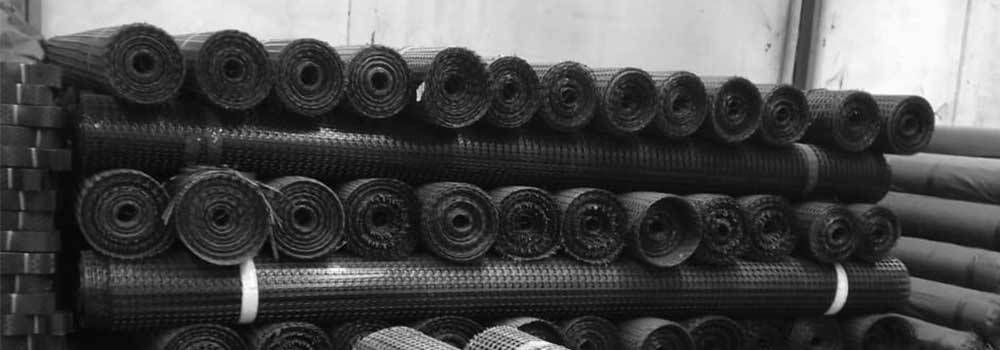
Geogrid Functions, Specifications and Types
Geogrid is a sheet-shaped geosynthetic material with grid-like apertures. Among the main geogrid functions is serving as reinforcement in soil reinforcement structures. Geogrid apertures vary in shape, but are generally square or oval, with other forms also available. Geogrid is suitable for soil reinforcement. It works by being laid over the ground surface and then […]

10 Tips for Choosing a Fish Pond Geomembrane
Besides acting as a protective waterproof layer, a fish pond geomembrane also offers a number of other important benefits. One of them is better water quality control. With its ability to form a solid, long-lasting waterproof layer, geomembrane brings benefits, efficiency and sustainability to fish pond operations. Using this material has many advantages. Read on […]