Landfill Challenges, Solutions, and Environmental Impacts

In modern life, landfills, or final waste disposal sites, are a major focus of waste management and environmental sustainability. A landfill is where domestic and industrial waste is deposited and managed systematically, yet it still places heavy pressure on ecosystems and human health. This article explores many aspects of landfills, from management processes and current challenges to innovative solutions being developed to reduce their negative impacts.
Landfills are an inseparable part of global waste-management systems, but they often create serious problems. Through this comprehensive discussion, we hope everyone can understand the importance of sustainable, innovative waste management for a healthier future planet.
The Role and Function of Landfills in Modern Waste Management
Landfill
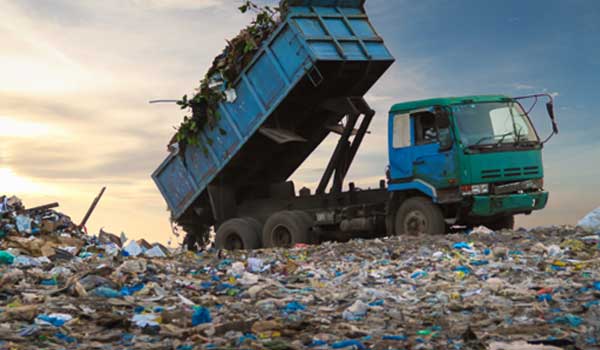
A landfill, or final disposal site, is a location specifically designed to contain solid waste. Landfill management is important because it helps handle the waste volumes generated by communities and industries while limiting the environmental impact of that waste. A landfill’s effectiveness can be judged by how well waste is isolated from the environment, how gas and leachate pollution are managed, and how the site is maintained after closure.
History and Development of Landfills
Since the dawn of civilization, waste management has been an issue that cannot be ignored. Waste-disposal practices began in ancient times, when communities used very simple methods to get rid of refuse. As populations and cities grew, however, the need for orderly, safe disposal systems became increasingly urgent.
In the 1930s, modern landfill methods began to be applied using a more systematic, planned approach. Having started as uncontrolled dumping, landfill management now focuses on reducing pollution risks and negative effects on public health. Innovations in management techniques, such as soil layers or membranes to contain waste, are part of the evolution toward today’s improved landfill designs.
Each landfill is usually equipped with infrastructure designed to control solid waste, methane gas, and leachate generated by decomposition. This knowledge provides a better understanding of the importance of landfills within the overall waste-management system.
In an effective waste-management system, a landfill plays an important role as the final destination for domestic and industrial waste that cannot be recycled directly. Landfills are designed to receive waste from many sources without causing hazardous pollution.
Understanding the basic functions of a landfill is the first step toward appreciating the complexity of modern waste management. Beyond serving as a final disposal site, a landfill also involves management and control processes aimed at reducing harm to the environment and communities.
Basic Principles of Landfill Management
Landfill
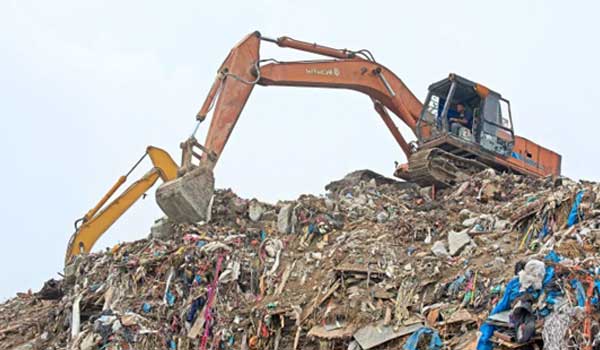
Sustainable landfill management must follow specific principles so waste can be managed effectively with minimal environmental risk. The main principles include isolating waste from its surroundings, controlling methane gas, and continuously monitoring site conditions.
Modern landfills are designed with advanced technology that enables optimal management of methane, a greenhouse gas that contributes significantly to climate change. Leachate-management systems are also a vital aspect that must be controlled at all times to prevent soil and water pollution around the landfill.
Technology and Innovation in Landfill Management
Technologies used in landfill management are becoming increasingly advanced and innovative. Composting systems, methane management through biofilters, and the use of recycled materials in construction are all part of strategies to reduce environmental impact.
Technological innovation has enabled more efficient, environmentally friendly waste management. For example, energy systems that use gas from waste decomposition to generate electricity, which can meet the energy needs of communities near a landfill, show how a landfill can become an energy source.
Geomembranes in Landfills
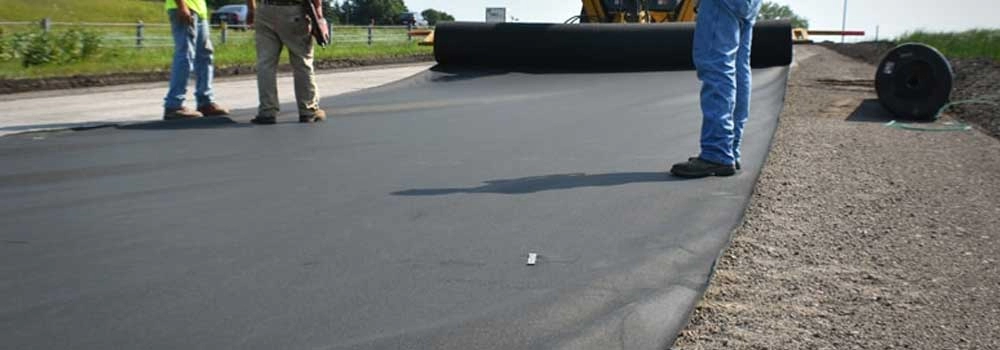
Geomembranes are an important component of landfills and play a key role in managing domestic and industrial waste safely and efficiently. This material serves as a containment layer that prevents toxic waste from polluting soil and groundwater. Using geomembranes in landfills is a modern solution that improves environmental safety while extending the operating life of the disposal site.
In this article, we discuss in depth the role of geomembranes, the materials used, and the advantages and challenges of applying them in landfills. We also highlight the latest technological developments that improve geomembrane effectiveness and the best strategies for using them to ensure sustainable, environmentally friendly waste management.
Main Functions of Geomembranes in Landfill Management
Geomembranes in landfills primarily serve as a crucial protective layer. Externally, they act as a barrier that prevents water infiltration and pollution from the contained waste. Fundamentally, this is an effort to keep hazardous materials from spreading into the surrounding environment, where they could damage ecosystems and human health.
The use of geomembranes is not limited to protecting soil and water. They also strengthen isolation within the sanitation and waste-management systems around the landfill. Geomembranes therefore reduce the likelihood of pollution that is difficult to control and improve the overall efficiency of waste management. They also make inspection and maintenance of subsurface layers easier because the material is designed to withstand extreme environmental conditions and hazardous chemicals.
Furthermore, proper geomembrane installation extends a landfill’s active life. Preventing waste from spreading or leaking minimizes environmental damage and makes waste management more sustainable. Over the long term, this reduces environmental remediation costs and increases public confidence in the waste management carried out by the parties involved.
Materials Used in Landfill Geomembranes
When producing geomembranes for landfills, material selection is the main factor determining successful performance. Many materials are available, each with strengths suited to particular environmental requirements and waste types. The most commonly used materials include High Density Polyethylene (HDPE), Linear Low Density Polyethylene (LLDPE), Polypropylene (PP), and other synthetics known for their strength and durability.
Each material has its own advantages. HDPE, for example, is known for its resistance to chemicals, UV radiation, and extreme temperatures. This makes it a preferred material for geomembranes in large landfill areas requiring resistance to harsh environmental factors. HDPE also has a dense structure that prevents liquid waste or hazardous gases from leaking into the surrounding environment.
Material selection must also consider cost and installation efficiency. Materials that are too expensive may be impractical at large scale, while cheap materials that lack durability create future maintenance and replacement costs. A comprehensive analysis is therefore required so geomembranes are truly effective and efficient and provide maximum protection in landfill management.
Advantages and Disadvantages of Geomembranes
Geomembranes offer significant advantages in landfill management. One of the most notable is their ability to prevent environmental pollution. As a water- and gas-tight barrier layer, a geomembrane keeps waste from seeping into the surrounding soil and groundwater. As a result, the surrounding environment stays clean and public health risks are minimized.
Beyond environmental protection, geomembranes can improve landfill operating efficiency. Waste-management systems become more organized, and long-term pollution-prevention costs are reduced. When installed properly, geomembranes can strengthen soil structure around the landfill and reduce the likelihood of damage from waste leakage. Economically, this is a profitable long-term investment because it reduces environmental maintenance and emergency pollution-response costs.
However, geomembranes also present certain challenges. One drawback is potential material damage caused by improper installation or extreme environmental conditions. Such damage can lead to waste leakage and threaten the success of the protection system. Geomembrane installation also requires experts and specialized equipment to ensure friction, seams, and joints meet optimal standards. Failure in these areas can reduce overall geomembrane effectiveness and create major risks for sustainable waste management.
Technological Developments and Innovations in Landfill Geomembranes
As technology advances and the need for sustainability grows, geomembrane manufacturing continues to innovate. The main focus is developing new materials that are more durable, environmentally friendly, and cost-efficient to produce. A notable trend is bioplastic-based geomembranes, which are expected to reduce the environmental impact of geomembrane products themselves.
Other innovations involve methods for installing and inspecting geomembrane layers. Lasers and advanced cameras enable faster, more accurate inspections and minimize the risk of undetected damage. Internet of Things (IoT) sensors are also being used to monitor geomembrane conditions in real time, so problems can be identified and resolved immediately before they cause greater damage.
These technological developments suggest that landfill geomembranes will become increasingly robust and environmentally friendly. Greater innovation will create major opportunities for safer, more efficient, and more sustainable waste management. All of this progress points to a bright future for waste-management technology, in which environmental protection and sustainability are top priorities.
Environmental and Health Effects of Poorly Managed Landfills
Landfill
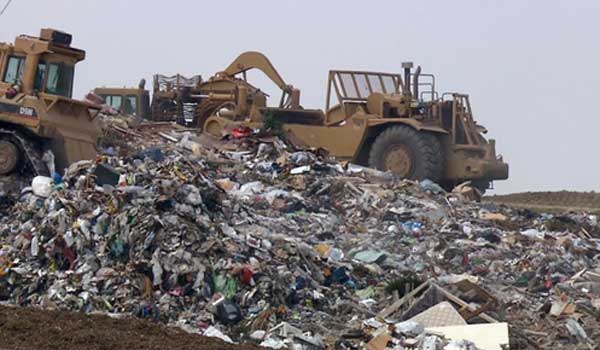
A major problem with poorly managed landfills is their effect on the environment and human health. Waste that is not handled properly can become a serious source of pollution that damages ecosystems and causes various diseases.
Every year, millions of people are exposed to health risks from pollution caused by improperly managed landfills. Accumulated waste can spread disease, contaminate water sources, and pollute the air with hazardous gases. The following sections examine these impacts and how communities and regulators can address them.
Water and Soil Pollution from Unmanaged Waste
Leachate, the liquid generated by solid waste in a landfill, can pollute groundwater if it is not properly controlled. Leachate runoff containing hazardous substances can contaminate wells, rivers, and other clean-water sources.
Beyond polluting water, poorly managed waste can seep into soil and alter its structure, reducing fertility and threatening important microorganisms. Preventing this soil pollution requires strict precautions and management, including containment liners and regular monitoring systems.
Methane and Climate Change
Landfills are also a source of greenhouse gas emissions, particularly methane generated during the decomposition of organic waste. Methane has a much higher global warming potential than carbon dioxide.
When organic waste decomposes without oxygen, methane is released into the atmosphere and becomes a major factor in climate change. Proper methane management, such as using the gas as an energy source, can reduce a landfill’s negative effects and enable more sustainable waste management.
Methane produced by decomposing organic waste contributes significantly to global climate change. If it is not used properly, the gas is released directly into the atmosphere and worsens the greenhouse effect.
Methane management is essential for reducing landfill greenhouse gas emissions. Technologies that collect the gas and use it for power generation are increasingly popular among modern landfill operators. This approach not only reduces environmental harm but also provides significant economic benefits.
Social and Public Health Effects
The effects of poorly managed landfills are not limited to the environment; they also directly affect nearby residents’ quality of life. Air pollution, strong odors, and the spread of disease are major problems requiring immediate action.
Communities living near landfills also often experience lower quality of life and higher health risks. Responsible, sustainable waste management must therefore be a top priority, along with outreach and education so communities know they have the right to a healthy environment.
Contribution to Habitat Damage
Landfill construction also often disrupts natural habitats. Green areas that normally support plants and wildlife may be disturbed or lost. The resulting ecosystem changes can also affect local biodiversity.
Restoring habitats after a landfill closes is an important part of environmental responsibility. Rehabilitation should not only restore affected areas but also consider ways to improve environmental sustainability.
Efforts and Strategies to Reduce Negative Landfill Impacts
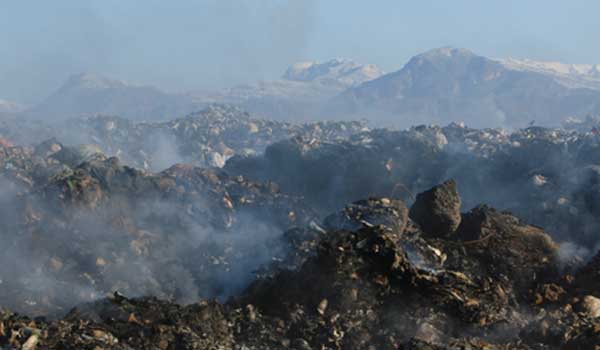
Landfill
As environmental issues become more complex, innovation and policy are essential for reducing the negative impacts of landfills. Many strategies and approaches have been adopted to ensure more environmentally friendly, sustainable waste management.
Government policy, public awareness, and new technology must work together to achieve an ideal waste-management system. The following sections discuss several strategic efforts already in place or under way.
Government Policies and Environmental Regulations
Strict regulations and incentives for innovative waste management are the foundation for successfully reducing landfill impacts. Governments need to establish management standards, provide strict oversight, and prioritize transparency in supervision.
Strengthening policies to reduce waste generation and increase recycling is also a frontline strategic step. Governments should also facilitate new technology development and strengthen public education about proper waste management.
The Role of Communities and Environmental Awareness
Public awareness is the main driver of successful long-term waste-management strategies. Through education, campaigns, and active participation in waste-management programs, communities become key agents of positive change.
Small but important examples include sorting waste at home, composting organic waste, and supporting community recycling programs. This awareness amplifies the impact of every action and helps reduce the burden on landfills.
Innovative Solutions and New Technologies
Evolving technologies offer tangible solutions for reducing landfill harm. Composting, gas-to-energy systems, and advanced recycled materials are innovations that help reduce waste volumes and pollution.
Examples include bioremediation, which uses microorganisms to break down hazardous waste, and IoT-based monitoring systems that track landfill conditions in real time. The development of more environmentally friendly, recyclable materials also strengthens global efforts to create more sustainable waste-management systems.
FAQs About Landfills and Waste Management
What is a landfill, and how does it work?
A landfill is a final disposal site specifically designed to contain and manage waste safely, including filling, isolating waste from the environment, and managing gas and leachate.
What are the main effects of a poorly managed landfill?
The effects include groundwater and air pollution, methane releases that accelerate climate change, and health risks for nearby communities, including infectious diseases and respiratory problems.
How does modern technology improve landfill management?
Technologies such as methane management, IoT-based real-time monitoring, and material recycling enable more efficient, environmentally friendly waste management.
What is the most effective way to reduce waste volumes in landfills?
The main steps are raising public awareness about waste sorting, supporting recycling programs, and reducing the use of single-use materials.
Are there alternatives to landfills for waste management?
Yes. Alternatives include composting, plasma gasification, and waste-reduction technologies applied directly at the source, such as in industries and communities.
This concludes the explanation of landfills. Make sure you use only high-quality landfill geomembranes from Petra Nusa Elshada so your landfill lasts and achieves the best quality.
Petra Nusa Elshada offers a range of high-quality landfill materials at affordable prices. Contact Petra Nusa Elshada today for consultation and orders.
Other Articles
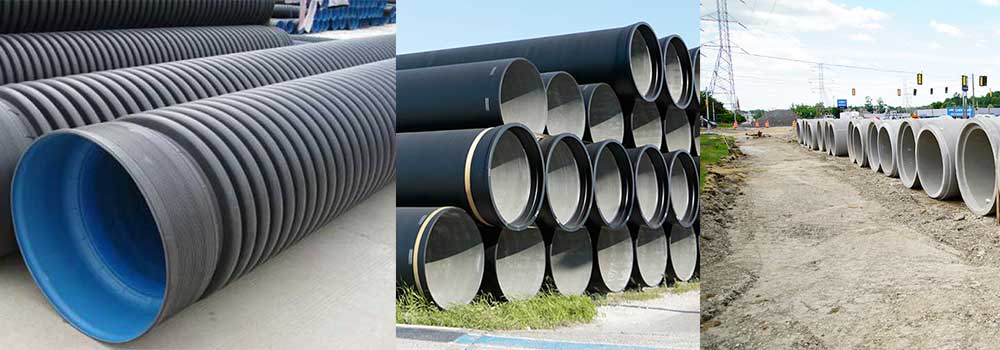
Guide to Choosing Geopipe Material
Most projects need a channel that can carry liquids such as infiltration water, wastewater, leachate and so on. Sometimes a protective layer is also needed for cables below the ground surface. These needs are usually met with pipes, which can be made from various materials such as plastic, iron and concrete. This guide to choosing […]

Geotextile Supplier: Woven, Non-Woven and How It Is Made
Woven and Non-Woven Geotextile for Sale Geotextile for sale. Looking for a geotextile supplier or a distributor selling direct from the factory, with low prices, ready stock and delivery throughout Indonesia? Geotextile is a geosynthetic material widely used in construction because it performs so well. Engineers generally use it to reinforce roads and other structures. […]