


Why Drainage Channels Matter for Flood Prevention
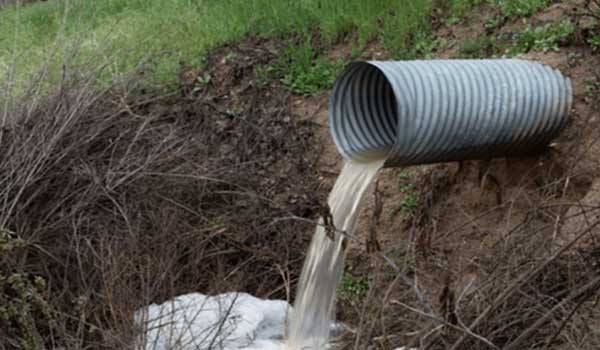
Drainage channels are often taken for granted, yet they play an important role in keeping the environment stable and communities healthy. If drainage channels are not designed and maintained properly, the consequences can be very costly, from flooding and building damage to environmental pollution.
Drainage channels are essential infrastructure that carry water from the ground surface to a safe discharge point. The system must be able to handle large volumes of water, especially during heavy rain, so water does not pond and cause flooding. Proper design and maintenance are therefore the key to a drainage system that supports communities and the surrounding ecosystem.
Main Functions of Drainage Channels in Keeping the Environment Safe
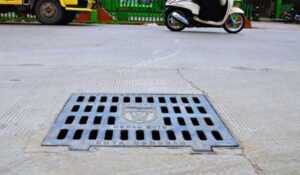
Drainage channels play a vital role in supporting the environment and the well-being of communities in an area. Their main function is not only to carry water away, but also to protect the environment from pollution and more serious damage.
Good drainage channels ensure that rainwater does not pond on the surface. As a result, the risk of floods and standing water that can damage infrastructure and disrupt daily life is minimized. Drainage channels also help reduce the risk of infections and diseases that often arise from stagnant water.
Another equally important function is preventing soil erosion and minimizing environmental damage. Water flowing through drainage channels helps keep the soil stable and prevents landslides, especially in hilly and landslide-prone areas. With a well-functioning drainage system, water quality is maintained and the environment stays free of waste and pollutants carried by runoff.
The Impact of Drainage Channels on Public Health

Effective drainage channels contribute directly to public health. When channels carry water away quickly, the risk from mosquitoes and other disease-carrying insects is reduced. Clean, well-kept channels also lower the risk of polluting groundwater and the surrounding environment.
When drainage channels do not work properly, standing water becomes a breeding ground for mosquitoes and bacteria that cause a range of diseases. Likewise, waste that is not carried away properly pollutes the environment and threatens the health of people living nearby. Maintaining and repairing drainage channels is therefore a practical way to improve quality of life and public health as a whole.
How Drainage Channels Protect Infrastructure and Transport Access
Beyond their benefits for health and the environment, drainage channels are also crucial for protecting urban and rural infrastructure. Roads, bridges and other buildings depend on a working drainage system to avoid damage from flooding or erosion.
When drainage is inadequate, standing water can damage building foundations and accelerate the deterioration of roads and other public facilities. This increases maintenance and repair costs. Moreover, transport access is disrupted when roads are flooded, which can interrupt the distribution of basic necessities and emergency services such as ambulances and fire engines.
Drainage Channel Maintenance and Technological Innovation
To keep drainage channels working, routine maintenance must be carried out with discipline and consistency. Regularly clearing waste and sediment from the channels is the top priority. Modern technologies such as automatic cleaning systems and sensor-based monitoring are also being adopted to keep drainage performance optimal.
These innovations not only help reduce operating costs but also improve the effectiveness and efficiency of the system. Combining durable infrastructure with advanced technology can extend the life of drainage channels and keep water flowing at the optimal rate even during extreme rainy seasons. The goal is not only to maintain the existing system, but also to keep innovating.
Designing and Building Efficient, Eco-Friendly Drainage Channels
Drainage channel design is the foundation of a system that can prevent flooding and manage rainwater sustainably. The right design must take into account environmental factors, water volume requirements and integration with other infrastructure.
The design process must be thorough, based on analysis of rainfall data, topography and the surrounding environment. Channels built without considering these factors usually deteriorate quickly, underperform or even harm the ecosystem. That is why drainage and environmental engineering experts should be involved at every planning stage.
Besides design, the materials used should be environmentally friendly and durable so the system lasts long with minimal maintenance. Eco-friendly drainage construction should also consider the flora and fauna around the site. Using materials that do not harm the ecosystem and applying conservation principles helps create a sustainable drainage system that protects natural ecosystems while meeting human needs.
Design Principles for Modern Drainage Channels
Several key principles must be considered when designing modern drainage channels. The first is the capacity to handle water volume, so the channel must be sized for the extreme rainfall that may occur. The second is ecology, such as vegetation around the channel that helps absorb water and stabilize the soil.
Next, the design should prioritize aesthetics and sustainability. Drainage construction should not focus solely on function, but also on the appearance and sustainability of the surrounding ecosystem. This can be done by adding gardens or greenery around the drainage channels to make the environment greener and healthier.
Latest Materials and Technology for Drainage Channels
Using the best materials and technology is key to a high-quality, sustainable drainage system. Construction materials must resist corrosion, abrasion and extreme weather. Materials such as high-quality precast concrete, natural stone and even recycled materials are increasingly used because they are environmentally friendly and durable.
On the technology side, sensor-based drainage systems that monitor water volume in real time are an emerging innovation. The data can be sent to a control center and used to regulate flow and quickly identify potential problems before they become disasters. This is an important step in adapting to climate change and increasingly extreme rainfall.
Drainage channels with geosynthetics
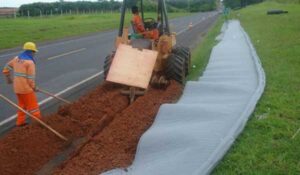
Drainage channels with geosynthetics have become an innovative solution for water management and land reclamation in both urban and rural areas. Using geosynthetic materials in drainage construction offers many benefits, from greater strength and erosion resistance to savings in cost and construction time.
A drainage channel is a system designed to carry water from a particular area to a safe discharge point. In modern infrastructure, effective water management is essential to prevent flooding, soil erosion and environmental damage. Drainage channels with geosynthetics offer the right solution, with geosynthetic materials used as a protective layer, a reinforcing material or an integral part of the channel structure.
This technology not only improves the structural performance of drainage channels but also extends their service life. Geosynthetic materials have special properties that allow them to carry heavy loads, prevent damage caused by soft soil and keep the channel in shape over the long term, even in extreme environmental conditions. In civil engineering and construction, understanding how to use geosynthetics is essential to make the most of their benefits.
Drainage channels with geosynthetics are now a preferred choice in many major infrastructure projects, such as highways, dams, city parks and urban drainage systems. With the right materials and careful structural planning, the results can be optimized to meet both environmental and economic needs.
Common Types of Geosynthetics
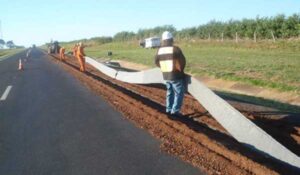
In practice, several types of geosynthetics are most commonly used in drainage channel construction, each with a different main function:
- Geomembrane A waterproof sheet that is highly resistant to chemicals and mechanical stress. In drainage channels, its main function is to protect against leaks and contaminants from the soil or the water flowing through.
- Geotextile A porous textile that acts as a filter and reinforcement. Geotextile prevents soil erosion around the channel, helps stabilize the soil and improves drainage in the area.
- GCL (Geosynthetic Clay Liner) A combination of a clay layer and geosynthetics that can contain water while protecting against leaks, ideal as a liner in drainage channels that require a high level of impermeability.
- Reinforcing geosynthetics Including geogrid and geobag, used to reinforce the soil structure and increase the bearing capacity of the channel foundation so it stays stable under strong water flow, traffic loads and other structural loads.
Advantages of Using Geosynthetic Materials
One of the main reasons for using geosynthetics in drainage channels is their ability to extend channel life through resistance to chemicals, decay and mechanical stress. These materials also withstand harsh conditions such as extreme temperatures, high water pressure and soft soil. Geosynthetics also allow more flexible and economical channel designs, reducing material procurement costs and construction time.
The right combination of geosynthetic materials can significantly improve the durability and functionality of drainage channels. Ultimately, these materials offer not only technical benefits but also support sustainable development and more efficient resource management.
FAQ about Drainage Channels
What factors affect the effectiveness of drainage channels?
The main factors are proper design, quality materials, routine maintenance and the surrounding environmental conditions. A shortfall in any one of these can reduce drainage effectiveness and increase the risk of flooding.
How should drainage channels be maintained to keep them working well?
Regular maintenance that clears waste, sediment and vegetation blocking the flow is strongly recommended. Technology such as automatic sensors can also help monitor channel conditions regularly.
Are drainage channels environmentally friendly?
They can be, if the design and materials take sustainability and ecology into account. Ecological construction principles help preserve the balance of the ecosystem while supporting maximum drainage performance.
What are the consequences of poor drainage channels?
The consequences include a higher risk of flooding, property damage, environmental pollution and public health problems. This shows how important good management and maintenance are.
How can technological innovation help drainage systems?
Innovations such as automatic sensor systems and channels built from eco-friendly materials can improve the efficiency, response time and sustainability of the drainage system as a whole.
Conclusion
Drainage channels play a central role in keeping the environment stable, improving public health and protecting infrastructure from flood damage. Proper design, quality materials and technological innovation are the key factors in ensuring the system works optimally and sustainably. Continuous maintenance and innovation not only improve the durability and performance of drainage channels but also support greener, cleaner cities and villages. Communities and government must therefore work together to safeguard the quality and sustainability of drainage channels for a better future.
Other Articles
Geocell Indonesia: Functions, Price and Quality
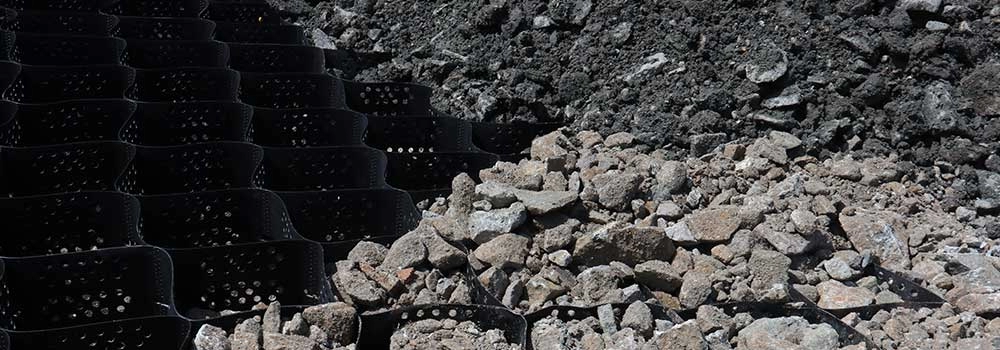
Have you ever heard of Geocell Geotextile? This time we will discuss geocell in Indonesia, which can help prevent soil erosion. Make sure you understand this information well so you can keep your ground in good condition. Geocell Geotextile People who do not work in construction may not be familiar with the term geocell. What […]
Non-Woven Geotextile: Raw Materials and Functions
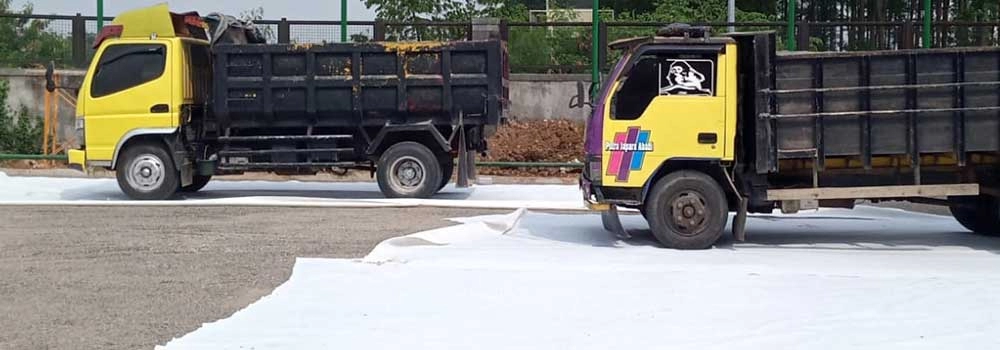
Civil engineers are certainly familiar with geotextile, a flexible, porous sheet material. There are two types of this material: non woven geotextile and woven geotextile. What is non woven geotextile, what are the non-woven geotextile functions, and how does it work? This article explains it in more depth and detail. What Is Non-Woven Geotextile? Geotextile […]