


HDPE Welding Rod: Functions and Complete Sizes
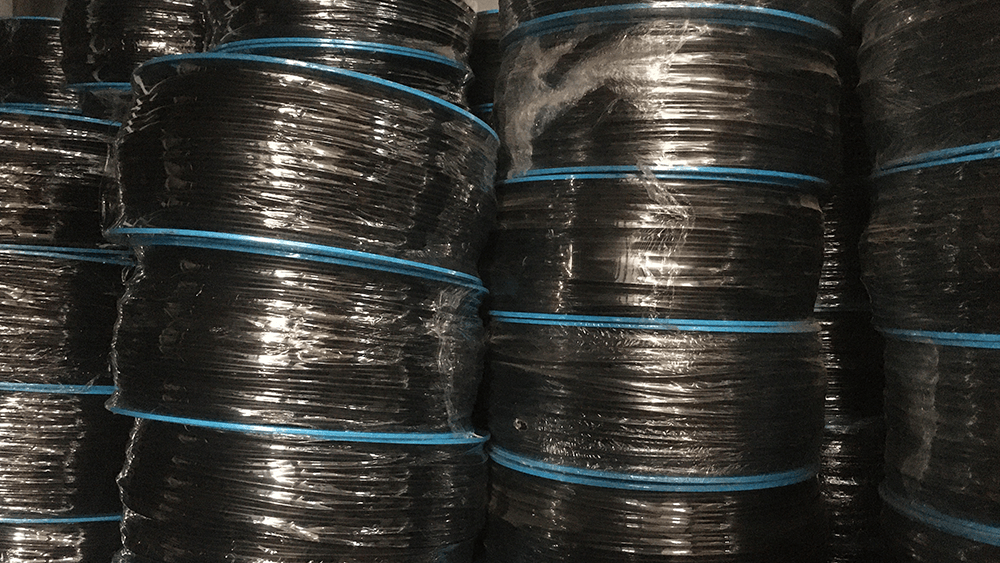
An HDPE welding rod is a high-density polyethylene rod or wire used as a filler material to join HDPE-based geomembrane sheets, pipes or tanks. In this article, we take an in-depth look at the HDPE welding rod, from its main functions and available sizes to how to choose the right welding rod for specific needs. This knowledge is essential for engineers, technicians and construction practitioners who want to ensure optimal, high-quality results.
Here, we explore the many aspects of HDPE welding rods: functions and complete sizes, so readers can understand and apply them effectively in the field. In terms of technological innovation, the HDPE welding rod is more than a connector; it plays a vital role in ensuring the strength and durability of the plastic structures being built.
Main functions of HDPE welding rods in construction and waste management
HDPE welding rods play several important roles that should not be underestimated, especially in ensuring stable, strong joints in HDPE-based projects. They are not merely connectors, but critical components in maintaining the overall quality of the structure.
The primary role of an HDPE welding rod is to bond layers or parts of HDPE pipes and frames strongly and durably while withstanding pressure and loads. Even in extreme environments, these welding rods maintain their performance without significant corrosion or degradation.
In addition, HDPE welding rods strengthen joints so they do not come apart easily under mechanical stress or aggressive chemicals. Because they are corrosion-resistant, these rods are suitable for wet and waterlogged environments as well as high-temperature areas. This function confirms that HDPE welding rods are vital for maintaining the integrity of entire piping systems and structures made with HDPE.
Ensuring the strength and durability of HDPE structures
In waste management, piping systems and clean water installations, structural strength is the main factor determining project success. In this context, HDPE welding rods act as the primary reinforcement that keeps joints from failing.
Having HDPE welding rods that meet standards and come in the right sizes enables professionals to achieve optimal results. The advantage of this type of welding rod is its ability to resist deformation, cracking or damage caused by internal and external pressure.
Choosing the right welding rod therefore largely determines the sustainability and efficiency of HDPE-based construction innovations. Do not underestimate the importance of the right function when selecting this welding rod, as it directly affects the stability and safety of the entire system. Using the wrong welding rod can have serious consequences, such as leaks or structural failure.
Compatibility and safety in HDPE welding
Besides strength, HDPE welding rods must also meet safety and compatibility standards in the welding process. Rod quality strongly affects the final result: a tight, strong and durable joint.
Using high-quality HDPE welding rods ensures welding proceeds optimally, preventing defects or imperfections that could cause leaks or long-term damage. Good welding produces joints that can withstand heavy loads and reduce the risk of damage from environmental factors.
The latest creativity and innovation in HDPE welding rod manufacturing also affect safety. For example, welding rods resistant to extreme temperatures, corrosion and certain chemicals can ensure maximum welding results in a variety of site conditions. Workers must also always follow safety procedures when welding to avoid workplace accidents and material damage.
HDPE welding rod sizes and how to choose the right one
HDPE welding rods come in many sizes, depending on project requirements and the specifications of the structure being built. Choosing the right size is crucial for ensuring joint strength and stability.
Rod size is usually measured by diameter, and the larger the diameter, the greater its strength. HDPE welding rods are available on the market in diameters ranging from the smallest for detailed work to large sizes for large-scale industrial applications requiring extra strength. The most commonly used sizes, especially for repairing tanks, pipes or plastic sheets, are 3mm and 4mm diameters
Choosing the right size should be based on an analysis of the load to be carried and the thickness of the HDPE material being joined. Not every size suits every application, so consulting an expert is highly recommended. Factors such as the working environment and material characteristics are also important considerations.
Advantages of small and large HDPE welding rods
Small HDPE welding rods are suitable for welding sections requiring high precision, such as joints on small pipes and installations that demand accuracy. The main advantage of small rods is their ability to produce precise, tight welds without causing significant deformation in the joined parts.
Large rods, by contrast, have higher tensile strength and are typically used for large construction, large-diameter pipes and systems that withstand high pressure. The main advantage of large rods is their durability and strength, allowing them to withstand heavy loads and high external or internal pressure.
The choice between small and large rods depends on site requirements and engineering specifications. It is important to avoid using unsuitable rods so joints perform optimally and last in the operating environment. Using the right size also helps reduce operating costs and makes welding more efficient.
Factors affecting HDPE welding rod size selection
Besides strength, another major factor affecting HDPE welding rod size selection is the environmental conditions and the welding process itself. Welding requires rods with suitable flexibility and stiffness for optimal results.
Age, temperature and the level of chemical exposure in the surrounding environment should also be considered when determining HDPE welding rod size. If site conditions are extreme, using rods with special sizes and specifications that withstand those conditions is strongly recommended. This helps ensure joint resistance to external factors that may arise.
Cost is also an important factor. Larger welding rods are usually more expensive but offer better strength and safety. Conversely, smaller sizes are more economical for small-scale applications but must still meet minimum strength standards to avoid failure in the field.
Tips for choosing and using the right HDPE welding rod
For welding to proceed optimally and deliver maximum results, choosing an HDPE welding rod that matches your requirements is an important step that should not be taken lightly. Selection should be based not only on size, but also on material quality and applicable standards.
The first step is to study the project’s technical specifications, including working pressure, ambient temperature and the type of HDPE material being used. Then compare these specifications with the characteristics of welding rods available on the market to find the best match.
Besides choosing based on technical specifications, make sure you buy from a trusted manufacturer that guarantees product quality. This is essential to ensure the HDPE welding rod truly meets industry standards and delivers maximum welding results.
Precautions and tips for safe, effective HDPE welding rod use
HDPE welding rods must be used according to proper standard welding procedures to achieve optimal, safe results. Make sure all equipment is in good condition and complies with workplace safety standards.
Before welding, check the welding rod for damage, corrosion or manufacturing defects. Workers must also be trained to understand welding procedures, including temperature settings, welding speed and correct welding techniques.
During welding, always use complete protection such as masks, gloves and other body protection. Do not neglect these safety aspects, for everyone’s benefit and to ensure the resulting joints are highly durable and long-lasting.
Get HDPE Welding Rods and other geosynthetic materials now, only at Petra Nusa Elshada. For more information, please click here!
Other Articles

Why Is Geogrid Aperture Size Important?
Geogrid aperture size is critical when selecting a product because it directly affects the performance and effectiveness of the interlock system. Geogrid is used in civil engineering and geotechnical applications to reinforce soil and materials such as aggregate layers. The primary function of geogrid is to provide bearing capacity by distributing loads over a wider […]

Geosynthetics Classification by Physical Form
The figure provides a general geosynthetics classification based on physical form. As shown, these materials include solid and perforated plastic sheets, plastic pipes, various textile structures, and combinations of these that form a subcategory known as geocomposites. Geomembrane latest geomembrane prices Strictly speaking, the term geosynthetics refers to synthetic polymer-based materials. However, when considering the […]