Geotube Uses: What Is This Geotextile Tube For?
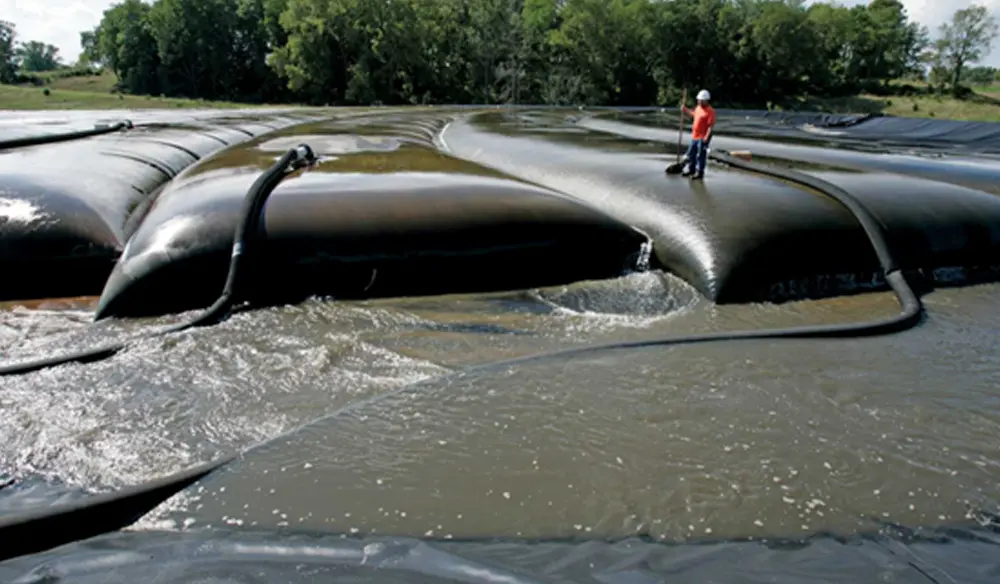
Geotube is one of the most vital material innovations in construction and environmental management. This material offers an effective solution to a range of infrastructure, erosion control and waste treatment problems.
Geotube: A Material Made from Geotextile
Before we look more closely at the uses of Geotube, it is important to understand the basic definition and characteristics of this material. Geotube refers to an innovative solution that uses specially layered geotextile as its base material, designed with high strength and exceptional resistance to pressure and natural corrosion from the environment.
This material is used because of its flexibility, which allows it to be configured to the needs of specific projects. Geotube is generally used in erosion control, sedimentation, waste management and land renovation projects. Its main material, geotextile, is a synthetic fabric made from weather-resistant polymers, which simplifies installation while ensuring long-term performance.
In today’s construction and environmental market, Geotube has become very popular because of its resistance to extreme weather factors, including ultraviolet light, saltwater and chemicals found in harsh environments. In addition, its ability to absorb and retain sediment or liquid waste greatly helps mitigate natural disasters and improve the ecological condition of an area.
Geotube Composition and Structure
Geotube generally consists of geotextile layers that can be selected based on the project’s technical specifications. Some of the main aspects of the Geotube structure include:
- A strong, abrasion-resistant outer layer that protects the contents from mechanical damage.
- The sediment or sludge fill inside, which usually comes from sedimentation in a particular area.
- A filling and emptying system that allows efficient operation and reuse of the material.
With this structure, geotube can withstand heavy pressure without being damaged, providing a fast and economical solution for construction projects or waste management.
What Is It Used For?
Understanding what it is used for is essential for making the most of Geotube‘s potential across many fields. Its use is not limited to the construction industry, but also extends to sectors such as water resources management, coastal rehabilitation and industrial waste treatment.
The main use of Geotube is erosion and sedimentation control at many sites. This control is vital for protecting infrastructure such as bridges, toll roads and residential areas from damage caused by strong currents or ocean waves. In addition, the material supports the natural settling of sediment, which greatly helps restore environmental quality and prevent more severe pollution.
Another equally important function of Geotube is serving as an environmentally friendly container for liquid and solid waste, as well as a solution for producing a protective layer
of soil for land restoration and rehabilitation projects. Through this process, liquid waste contained in the Geotube can be treated efficiently and safely, reducing pollution in the surrounding environment.
When Geotube is applied correctly, the general benefits include:
- Lower infrastructure construction and maintenance costs
- Reduced risk of environmental damage
- More efficient waste and sedimentation management
- Protection of natural ecosystem continuity
Applications in Infrastructure Projects
One of the main uses of geotube is in infrastructure projects in areas prone to erosion or excessive sedimentation. In these projects, geotube is used as a retaining wall, a supporting wall or a sediment-settling structure that helps control water flow and ocean waves.
In flood control, geotube is placed along rivers or coastlines prone to excessive sedimentation or uncontrolled waterlogging. So, what is it used for? In practical terms, geotube helps reduce the impact of floods caused by natural disturbances and human activity.
In addition, geotube is often used to create new retaining structures in coastal areas experiencing severe abrasion, without the need to build expensive concrete structures that are difficult to relocate. Its flexible shape, which can be adapted to local conditions, makes geotube an ideal solution for sustainable, environmentally friendly infrastructure development.
Use in Waste Management
Besides improving structures, Geotube is highly beneficial in industrial and domestic waste management. With an efficient, chemical-resistant containment mechanism, geotube can hold hazardous waste safely and sustainably.
For example, waste from mining or chemical processing plants that requires special handling can be stored in geotube as a long-term countermeasure. This waste fill can then be reprocessed or allowed to decompose naturally, ensuring no further pollution reaches the surrounding environment.
Another important factor is ease of operation, which allows it to be used in a wide range of field conditions without complicated equipment. So, what is it used for? With geotube, waste management becomes safer, more affordable and more effective, while supporting ecosystem sustainability and human health.
Key benefits of using Geotube:
- Time and cost efficiency in projects
- Adaptability to specific requirements
- An environmentally friendly, sustainable solution
- Resistance to chemicals and natural weathering
Get Geotube and other geosynthetic materials now, only at Petra Nusa Elshada. For more information, please click here!
Other Articles

How to Install Geomembrane on a Gold Mine Heap Leach Pad
Have you ever imagined how gold is separated from towering piles of ore? In modern mining, one of the most efficient and frequently used methods is heap leaching. Yet behind this method’s success is one component that is often invisible because it is buried at the very bottom: geomembrane. For those who work in mining […]