How to Choose the Right Geotextile Type
Understanding the types of geotextile is essential for construction and environmental management professionals. In today’s advancing world, using the right material is crucial to achieving optimal results. Geotextile is an innovation in civil engineering that offers many benefits for infrastructure and environmental protection. This article explores the various types of geotextile so readers can better understand their functions and applications, and choose the right geotextile for each project.
Definition and Benefits of Geotextile
Before discussing the various types of geotextile, it is important to first understand what geotextile is and how it benefits different applications.
What Is Geotextile?
Geotextile is a textile material made from synthetic or natural fibers and used in civil engineering projects to improve soil stability. This material is often installed between soil and other materials, such as stone, to provide additional support.
Geotextile is permeable, allowing water to pass through while retaining the surrounding soil structure. This makes it an effective solution for preventing erosion, reinforcing foundations, and supporting water management.
Benefits of Using Geotextile
Using geotextile offers a range of significant benefits, including the following:
- Erosion Prevention: One of the main benefits of geotextile is its ability to prevent erosion on soil slopes. Installing geotextile can control strong water flows and reduce the risk of soil erosion.
- Soil Stabilization: Geotextile helps stabilize soil in road, bridge, and building construction. It promotes more even load distribution and reduces soil settlement.
- Water Management: Geotextile’s permeability makes it ideal for water management applications such as drainage. It can prevent standing water and help maintain soil quality.
- Environment: Geotextile also supports land rehabilitation and ecosystem protection. It can restore degraded areas without disrupting the local ecosystem.
The explanation above shows that understanding the types of geotextile is essential to maximizing their potential.
Types of Geotextile
After understanding the definition and benefits of geotextile, we can now discuss the various types available on the market. Each type has different characteristics and functions.
Non-Woven Geotextile
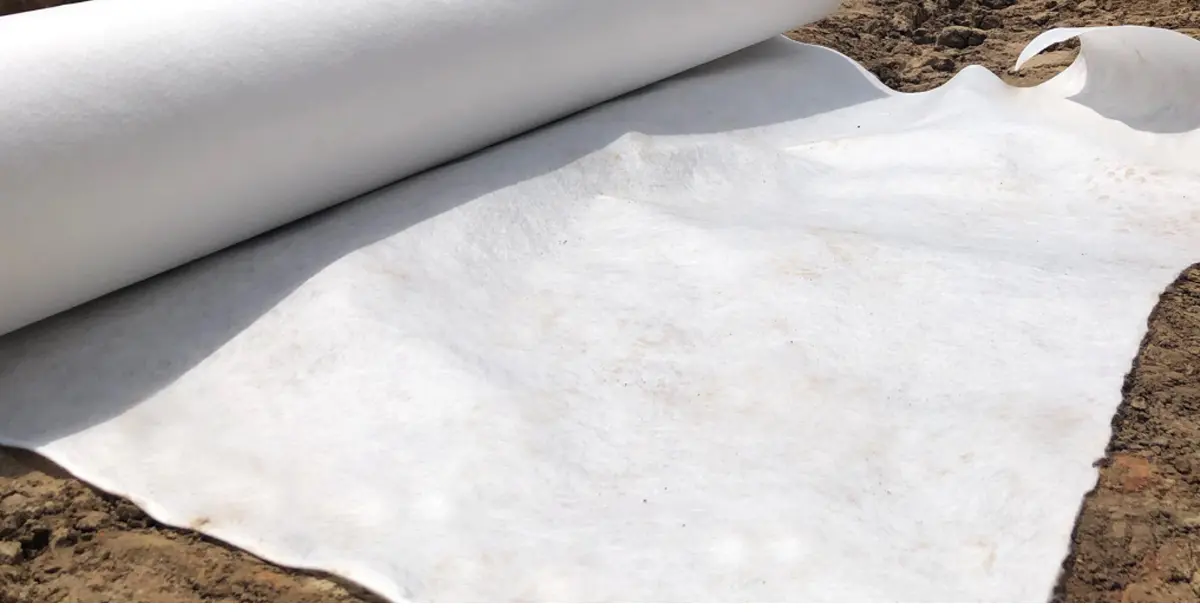
Non-woven geotextile is made from randomly arranged fibers without a specific pattern. The manufacturing process typically uses thermal or mechanical bonding techniques to produce a dense material.

Non-woven geotextile is often used in applications requiring filtration, such as drainage systems. Its flexible, lightweight properties make it easy to install under various conditions.
Advantages of Non-Woven Geotextile
One of the main advantages of non-woven geotextile is its ability to filter fine particles while allowing water to flow through. This is highly useful in applications such as ponds, gardens, and drainage channels.
In addition, non-woven geotextile is resistant to chemicals and microorganisms, making it a good choice for environmental projects.
Limitations of Non-Woven Geotextile
However, several limitations must be considered. Non-woven geotextile is not as strong as woven geotextile and may be unsuitable for areas with heavy loads. Selecting the right type must account for site conditions and the intended application.
Woven Geotextile
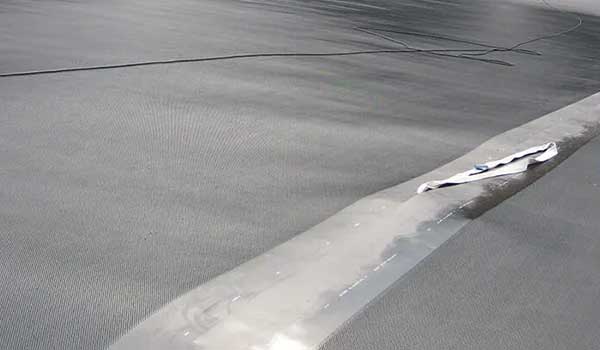
Unlike non-woven geotextile, woven geotextile is made from threads woven into a specific pattern. This woven structure provides greater strength than non-woven material, so it is often used in applications requiring high durability.

Characteristics of Woven Geotextile
Woven geotextile has a more robust surface and can withstand heavier loads. This material provides excellent structural support, especially in areas subject to frequent compression.
Woven Geotextile Applications
Because of its strength, woven geotextile is often used in road construction, landslide control, and other heavy-duty projects. It can reduce soil movement and prevent further damage.
Considerations When Using Woven Geotextile
Before choosing woven geotextile, however, it is important to consider other factors such as cost and project suitability. Its use is not always efficient for every application, particularly when filtration is the primary requirement.
Composite Geotextile
As an alternative to the previous two types, composite geotextile combines the advantages of woven and non-woven geotextiles.
Description of Composite Geotextile
Composite geotextile generally consists of a woven layer covered with non-woven material. This structure offers both strength and effective filtration.
Composite Geotextile Applications
With its multifunctional properties, composite geotextile is often used in projects requiring a balance of structural support and filtration, such as dam or irrigation channel construction.
Benefits and Limitations of Composite Geotextile
Its advantage is the ability to meet a broader range of needs, but it can be more expensive than using a single type. Careful analysis is therefore needed to determine whether composite geotextile is the right choice.
How to Choose the Right Geotextile: Key Factors
Several factors must be considered when selecting the right type of geotextile. A thorough understanding of these elements will help you make a better decision.
Site Conditions
The conditions at the project site greatly influence the choice of geotextile. Soft or rocky ground may require different types to address its specific challenges.
Intended Use
The intended use of the geotextile is equally important. Do you need filtration, structural support, or both? Answering this question will guide you toward the appropriate geotextile type.
Cost and Budget
Cost is also an important consideration. Although the initial investment in quality geotextile may be higher, the long-term benefits of selecting the right material are often greater.
Durability and Service Life
Finally, the durability and service life of the selected geotextile must be evaluated. Materials designed to withstand extreme conditions are highly beneficial for reducing maintenance and replacement frequency.
Conclusion
Understanding the types of geotextile is an important first step for anyone involved in construction and environmental management projects. By understanding the different types—non-woven, woven, and composite—along with their benefits and limitations, you can select the most suitable material for your project.
Remember that choosing a geotextile is not a minor decision; it is integral to your project’s success. Selecting the right material not only ensures structural stability and longevity but also protects the environment and natural resources.
We hope this article provides useful insight into the types of geotextile. Continue learning and exploring, because knowledge is the key to success in every project you undertake.
Other Articles


What Is a Geotextile Tube (Geotube)?
What is a geotextile tube? A geotextile tube (geotube) is made from non-woven or woven geotextile, in either polyester (PET) or polypropylene (PP), and shaped like a very large sack. Geotextile tube sizes vary, reaching 15 to 30 metres as required, and the tube can be filled with aggregate, sand or soil. *Main materials used […]