


How to Choose a Trusted Geotextile Factory
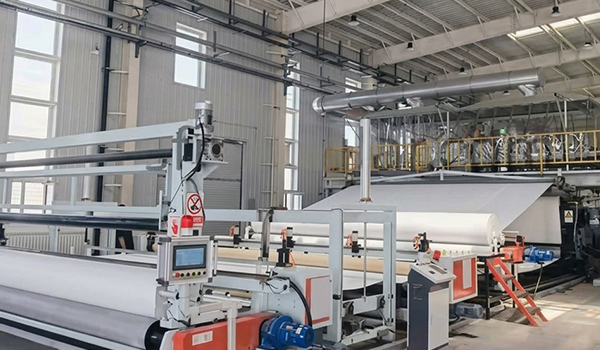
Modern infrastructure such as toll roads, railways, coastal reclamation, and dams requires high-quality geosynthetic materials. Behind the strength of these projects, a geotextile factory plays a vital role by supplying soil stabilization and filtration materials.
A geotextile factory is a manufacturing facility that produces synthetic fabric sheets made from polymers such as polypropylene (PP) or polyester (PET). This fabric is specifically engineered to reinforce soil structures and solve various geotechnical problems in the field.
Product Types Made by a Geotextile Factory
In general, geosynthetic manufacturing facilities produce two main geotextile categories based on the production method:
-
Woven Geotextile
-
Form: Neatly woven fabric sheets resembling rice sacks, usually black or white.
-
Main Function: Soil reinforcement. Its very high tensile strength makes it effective at supporting heavy loads on soft soil.
-
Applications: Highway construction, runways, and railway track beds.
-
-
Non-Woven Geotextile
-
Form: Cotton fiber or felt-like sheets bonded through a needle-punched or thermal (heat-bonded) process.
-
Main Functions: Filtration, Drainage, and Separation. It has good water permeability while retaining soil particles.
-
Applications: Subsurface drainage systems, geomembrane protection at landfills (TPA), and raw material for geobags.
-
The Important Role of Local Geotextile Factories
Relying on products from domestic geotextile factories offers contractors and developers several strategic advantages:
-
SNI Standards and International Certification: Professional factories apply strict Quality Control in line with ISO and ASTM/SNI standards to ensure resistance to UV radiation, chemicals, and mechanical abrasion.
-
Stock Availability and Logistics Efficiency: Buying directly from a local manufacturer cuts delivery lead time compared with imports, keeping the project schedule on target.
-
Supports Domestic Component Level (TKDN) Requirements: Using locally made geotextile helps government projects meet the specified TKDN threshold.
-
Customization Services: Factories can tailor technical specifications, such as weight (GSM), roll width, and tensile strength, to the requests of geotechnical engineers in the field.
Tips for Choosing a Geotextile Factory for Your Project

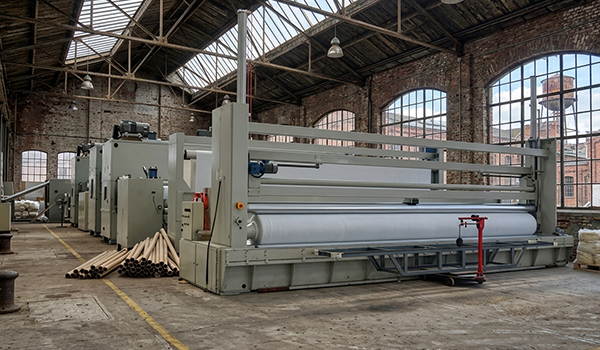
Before choosing a geotextile vendor or supplier, consider these crucial points:
-
Laboratory Test Certificates: Make sure the factory provides a Mill Certificate and independent lab results covering tensile strength, elongation, and water flow index data.
-
Production Capacity: Choose a manufacturer with a large production capacity when handling a national-scale project, so the material supply does not stop midway.
-
Technical Consultation Services: Trusted factories generally have geotechnical experts ready to recommend the most efficient material type for your soil conditions.
Other Articles
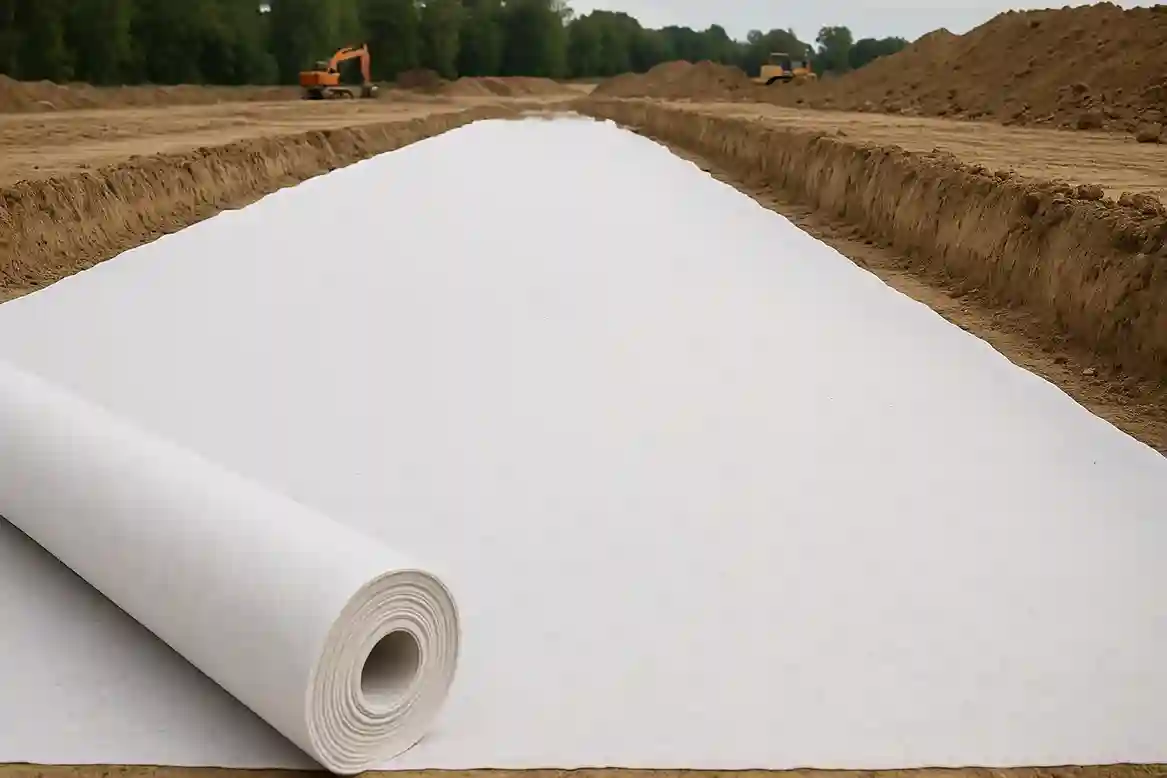

Geomembrane Lifespan: How Long Does It Last?
How long does geomembrane last? Here is a short explanation of geomembrane lifespan, one of the questions geomembrane users ask most often. How long a geomembrane lasts depends on whether it is exposed or not. The plasticizer, filler, carbon black and additive content is assumed to meet the GRI GM-13 standard with the following composition. […]
