


Concrete Mattress: Benefits and Advantages
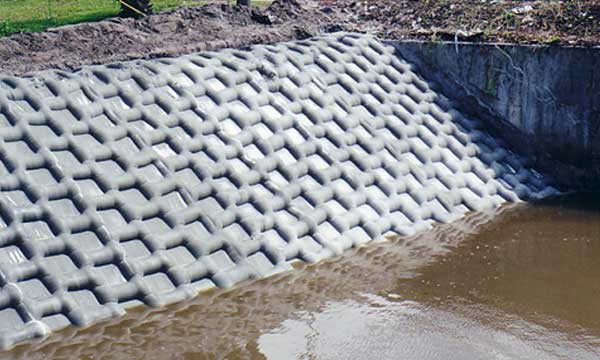
Concrete mattress is an innovation that is becoming increasingly well known in construction and environmental management. It is more than a surface covering: it offers a range of benefits in stability, erosion protection and structural reinforcement. This article covers the advantages of using a concrete mattress, its applications in various fields, and guidance on choosing and maintaining it for optimal performance.
A concrete mattress is a concrete structure designed specifically for environments that demand high stability and protection against natural forces such as water and waves. With a robust, durable design, the concrete mattress offers an innovative solution for many modern infrastructure needs.
What a Concrete Mattress Is and Its Main Components

Benefits and advantages of using a concrete mattress
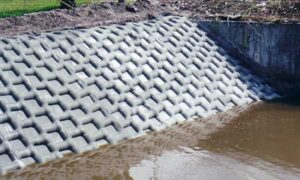
A concrete mattress is a construction structure made of concrete units of a certain shape and size, arranged to meet specific needs such as bank protection, bed reinforcement or shoreline protection. Its main material is concrete combined with a woven fabric or binding material that provides both flexibility and strength.
Basically, a concrete mattress is designed as a modular system so it is easy to install and adapt to site conditions. The main components include large concrete slabs or blocks, a binding system such as steel cable, and an additional protective layer to maintain resistance to corrosion and erosion.
Understanding these main components gives a clearer picture of the advantages of using a concrete mattress in construction and environmental protection. Infrastructure equipped with a concrete mattress generally lasts longer and requires less maintenance for damage caused by natural forces.
High-Quality Concrete Material
Benefits and advantages of using a concrete mattress
The concrete used to make a concrete mattress must have optimal tensile and compressive strength. It is usually produced with a special mix that resists salt water, corrosion and other extreme environments. With high-quality materials, a concrete mattress can withstand heavy loads and repeated water scour.
The advantage of high-quality concrete is its resistance to extreme temperatures, damp conditions and biological activity such as moss or algae growth that can damage other structures. This material also allows the concrete mattress to adapt to climate change and dynamic environmental conditions.
In addition, the concrete chosen should meet sustainability and environmental standards, encouraging sustainable construction practices. The better the quality of the concrete used, the greater the long-term benefits of the installed concrete mattress.
Modular Binding and Reinforcement System
Benefits and advantages of using a concrete mattress
The binding system is a key part of concrete mattress construction because it keeps the concrete units firmly connected throughout their service life. It is usually made of stainless steel cable that can withstand tensile forces and dynamic loads from waves or currents.
The advantage of a modular binding system is that it can adapt to a wide range of site conditions. If part of the structure is damaged or deteriorates, the structure as a whole still keeps its shape and function, reducing the risk of greater damage.
A modular design also shortens installation time and makes routine maintenance easier. The binding material must be of high quality so it does not rust or corrode, especially in marine or saltwater environments. The durability and strength of this reinforcement are central to a successful concrete mattress installation.
Concrete Mattress Applications in Construction and the Environment
Concrete mattresses are widely used and serve many purposes across industries, from strengthening beaches and protecting shorelines against erosion to providing additional foundations for projects that need extra stability. Their resistance to water and pressure makes them an ideal solution for many infrastructure challenges.
Besides environmental protection, concrete mattresses are also widely used in the construction of ports, bridges and landslide-prone zones. Correct use ensures the structure can withstand extreme conditions and support the long-term success of the project.
In shoreline protection, a concrete mattress can withstand the constant waves that batter coastal areas and reduce the abrasion that threatens ecosystems and nearby infrastructure. In construction areas, it provides additional stability and helps mitigate ground cracking.
Coastal Protection and Erosion Control
Benefits and advantages of using a concrete mattress
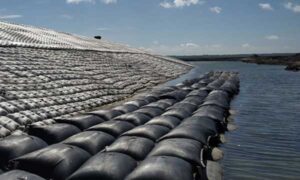
Beaches and coastal areas face major challenges from erosion and abrasion. Waves and currents can damage the shoreline, threaten natural habitats and endanger coastal infrastructure. A concrete mattress is an effective, permanent solution to this problem.
When laid out correctly, a concrete mattress helps reduce the speed and force of waves reaching cliffs or coastal areas. The structure also dissipates wave energy, making the surrounding environment more stable and safe. This gives marine and land ecosystems time to recover and thrive.
Besides acting as protection, a concrete mattress also serves as a natural habitat for marine life that grows in the gaps of the structure. This approach supports the ecological sustainability of the shoreline while providing economic and social benefits for coastal communities that depend on these natural resources.
Reinforcing and Protecting Infrastructure in Landslide-Prone Areas
Benefits and advantages of using a concrete mattress
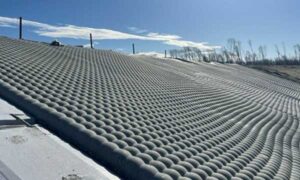
Landslide-prone areas need structural solutions that can withstand loads from soil scour and other threats. Installing a concrete mattress in these zones provides the stability needed so the soil does not easily shift or collapse.
The structure is placed beneath buildings or along steep slopes to reinforce and protect foundations from natural forces. Another advantage is its ability to adapt to ground conditions and keep its shape even with frequent geological activity.
In practice, using a concrete mattress to tackle landslides also speeds up rehabilitation and reduces the risk of property damage and danger to nearby communities. This approach offers a safe, environmentally friendly long-term solution.
Guide to Choosing and Maintaining a Concrete Mattress for Long Service Life
Benefits and advantages of using a concrete mattress
To get the most out of a concrete mattress, choosing quality materials and carrying out routine maintenance are essential. Understanding installation and maintenance helps extend the life of the structure and ensures optimal performance throughout its service life.
When choosing a concrete mattress, the main factors to consider are concrete strength, the binding system and the overall stability of the structure. Consulting experts and following national and international standards is strongly recommended to ensure quality and suitability for site conditions.
Maintenance includes routine inspection of the concrete, tightening the binding system and applying an extra protective coating to prevent corrosion. Using anti-rust and moisture-resistant coatings contributes greatly to keeping the structure strong for years.
Using professional services for installation and maintenance also ensures the concrete mattress can withstand a wide range of weather and environmental conditions. With proper maintenance, the structure can perform optimally and deliver significant long-term benefits.
FAQ about Concrete Mattresses
What is the main advantage of using a concrete mattress?
A concrete mattress offers long-term protection and stability for coastal areas and infrastructure, and it effectively withstands erosion and natural forces.
How is a concrete mattress installed?
Installation uses a modular method, with concrete units laid systematically on site as required and then tied together with a high-quality binding system. The process requires skilled experts to ensure the structure is accurate and robust.
Is a concrete mattress suitable for every environment?
Yes, especially in environments exposed to currents, high waves and erosion risk, but it must be adapted to specific conditions and installed by professionals for the best results.
How long does a concrete mattress last?
With quality materials and routine maintenance, a concrete mattress can last for decades, depending on environmental conditions and the loads it carries.
What should be considered when maintaining a concrete mattress?
Carry out regular inspections for damage, tighten the binding system and apply additional protective coatings against corrosion and other environmental factors. This extends the life of the structure and maintains its performance.
Conclusion
A concrete mattress is a solution to problems in environmental protection and infrastructure development. Its main advantages are high durability in extreme conditions, easy installation and good ecological benefits. Choosing quality materials and carrying out routine maintenance are the keys to getting maximum long-term benefit from this structure.
In applications ranging from coastal erosion control to soil stabilization in landslide-prone areas, the concrete mattress has proven effective and efficient. With the right understanding, this innovation can be developed further to support better construction and environmental protection.
Other Articles


Geotextile for Construction: Key Applications
Now that we know the types of geotextile, woven geotextile and non-woven geotextile, questions naturally arise about how they are applied in construction. Geotextile is one of the most ideal materials for civil engineering. So here is how geotextile for construction is used. Road Construction with Geotextile Its main use is in road construction work. Geotextile is effective […]
Understanding the Modern Landfill: More Than a Garbage Pile!
Hello, Petra friends! Have you ever traveled outside the city and seen a vast area filled with mountains of waste? Your first thought may have been, “Wow, that is filthy.” But did you know that in today’s modern world, a waste-disposal site, commonly called a Landfill , is not as simple as “dump and pile”? […]