Drainage: An Effective Solution for Floods and Landslides

Drainage is an important aspect of environmental management and urban infrastructure development. A good drainage system not only prevents standing water during heavy rain but also protects areas from floods and landslides. This article examines drainage in depth, from its definition and types to repair and prevention methods. Understanding the role of drainage is essential for maintaining ecosystem sustainability and community well-being.
Drainage is a system designed to carry excess water from one area to another, safer location. An effective drainage system supports environmental health and efficient water flow in both urban and rural areas. With the right knowledge, communities and governments can manage and improve existing drainage systems so they remain effective.
The Importance of Drainage in Environmental and Infrastructure Management

Drainage involves more than conveying water; it is the backbone of environmental stability and sustainable urban development. The system must be designed to handle high rainfall volumes and prevent flooding. Poor drainage management frequently causes property damage, health problems, and significant economic losses.
Drainage systems also help reduce landslide risks, particularly in hilly areas and erosion-prone lowlands. Adequate drainage keeps soil structure stable and prevents excessive overflow. All community members and government bodies must therefore understand, maintain, and continuously improve drainage systems.
Negative Effects of Poorly Functioning Drainage
Inadequate drainage can create major problems, including:
- Widespread flooding that damages property
- Transmission of diseases associated with standing water
- Ecosystem damage caused by waste accumulation and water pollution
- Disruption of daily economic activities and small businesses
- Potential landslides that threaten residents’ safety
Recognizing the importance of drainage should encourage greater care in maintaining and improving these systems. Routine cleaning, environmentally conscious construction, and technological innovation are essential steps for sustainability.
Types of Drainage and Their Water-Management Functions
Drainage systems come in several types suited to environmental conditions and specific requirements. Understanding these types is fundamental to selecting the right solution for a drainage problem.
Each drainage system has distinct characteristics and functions. Selecting the right type strongly influences water-management effectiveness and the system’s long-term sustainability.
Surface Drainage
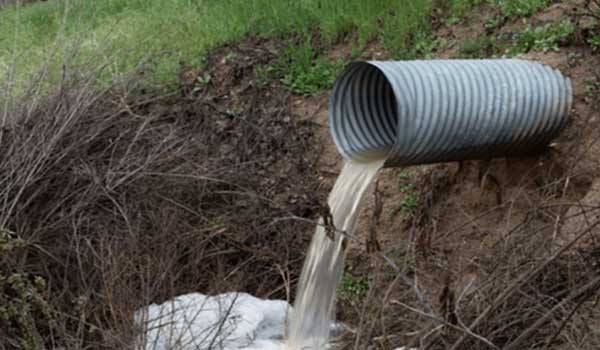
Surface drainage is the most widely used system, particularly in dense urban areas. It carries water directly from the ground surface into the main discharge channels. It usually consists of culverts, ditches, or open channels that are easy to see and access.
In areas with high rainfall, surface drainage must have adequate capacity to prevent rapid saturation and overflow. Surface drainage is essential for keeping roads and surrounding areas dry while reducing accidents caused by standing water.
Analysis of surface-drainage efficiency should consider flow velocity, volume capacity, and integration with underground drainage. Routine cleaning is also important to prevent blockages caused by debris and silt.
Subsurface Drainage
Subsurface drainage is generally used in strategic areas that require an enclosed system protected from external influences. It is less visible and does not detract from the surrounding environment. Subsurface drainage can efficiently handle high water volumes and is commonly used in city parks, highways, and high-rise buildings.
Its primary advantages are reduced contamination risk, longer infrastructure life, and minimal visual impact. Its performance depends on depth, pipe material, and proper installation techniques.
However, the system requires periodic maintenance to prevent leaks that could damage nearby structures. Installation and maintenance costs are also higher than for surface systems.
Combined Drainage
A combination of surface and subsurface drainage is often used to address several environmental challenges simultaneously. This approach provides water management that is more flexible and effective in areas with complex characteristics, such as large cities facing heavy rainfall and modern urban-planning needs.
In a combined system, surface water can flow directly into specially designed subsurface drainage that stores and conveys it efficiently. This drainage is often integrated with newer technologies such as filters and wastewater treatment.
Integrating these drainage types requires careful planning and close supervision so the system remains balanced and durable. This combination can improve efficiency and minimize flood risks in dense urban areas.
Technological Innovation in Modern Drainage Systems
Technology continues to deliver innovative solutions for modern drainage systems. Advanced technologies can improve drainage efficiency, resilience, and sustainability.
Several innovations help manage extreme weather, reduce operating costs, and increase infrastructure resilience to environmental challenges. Sensors, IoT (Internet of Things), and advanced filtration technologies are central to these innovations.
Sensor and IoT Technology for Drainage Monitoring
Digital sensors and IoT systems enable real-time, proactive drainage management. Sensors can detect water volumes, blockage levels, and damage at critical points throughout the drainage system. The resulting data is sent to a control center for analysis and rapid decision-making.
During the rainy season, for example, sensors can issue alerts when water volumes rise significantly so personnel can take preventive action such as cleaning channels or increasing capacity.
Integrating this technology reduces flood risk, accelerates maintenance, and extends the overall life of the drainage system. Analytical data can also support more accurate and efficient long-term planning.
Water Treatment with Filtration Technology
An important innovation is the treatment of wastewater and stormwater using advanced filtration technology. These systems can remove small particles, waste, and harmful microorganisms before water is discharged into the environment.
Modern filtration technologies such as membrane filtration, biofiltration, and electrocoagulation improve discharged-water quality while helping protect surrounding ecosystems. In urban areas, these technologies support sustainable water management and reduce dependence on external water sources.
Filtered water can also be reused for irrigation or household purposes, making the water-use cycle more efficient and environmentally responsible.
| Innovative Technology | Advantages | Limitations | Application Areas |
| IoT sensors | Real-time monitoring; early blockage detection | High initial cost | Large cities and flood-prone areas |
| Membrane filtration | Clean water and reduced waste | High routine maintenance | Industrial areas and dense residential zones |
| Biofiltration | Effective & environmentally friendly | Less suitable for high-strength industrial waste | Urban areas and city parks |
Drainage FAQs
What is drainage, and why is it important for my city?
Drainage is a system that manages stormwater and liquid waste flows. It is essential for preventing floods and landslides and maintaining environmental health.
How can I tell whether the drainage system in my area has problems?
Watch for persistent standing water, unpleasant odors, or blocked channels. Routine inspections by authorities can also detect problems earlier.
What solutions can repair blocked drainage?
The main solutions are regular cleaning, removing obstructing debris, and repairing damaged or narrowed channel structures.
Is IoT technology truly effective for drainage management?
Yes. IoT technology enables real-time monitoring that helps prevent floods and accelerates repair responses.
What role does the community play in maintaining drainage systems?
Communities should avoid littering, keep their surroundings clean, and actively report drainage problems to the relevant authorities
Drainage Planning for a Sustainable Environment

Good drainage planning is essential for supporting environmental sustainability and reducing the adverse effects of climate change. A well-planned drainage system not only conveys water but also contributes to water-resource management and ecosystem protection.
In many cases, inadequate drainage planning can create environmental problems, including water pollution, infrastructure damage, and biodiversity loss. A comprehensive and inclusive planning strategy is therefore needed to minimize these risks and support sustainability.
Core Principles of Sustainable Drainage Planning
Sustainable drainage planning involves several principles that policymakers and planners must consider.
It is important to account for the site’s specific characteristics, such as topography, soil type, and rainfall patterns. This allows the drainage plan to be adapted to local conditions and improves system effectiveness. By considering all these factors, we can design systems that are both efficient and environmentally responsible.
Integrating drainage with green infrastructure, such as parks, retention ponds, or yards, can help manage stormwater effectively and increase biodiversity. Including green open spaces in the drainage system also helps absorb water and reduce direct runoff into drainage channels.
Community Participation in Drainage Planning
Community participation is an important and often overlooked aspect of drainage planning. Residents can provide valuable input that helps planners understand local needs and expectations.
Communities are more familiar with local conditions and challenges. Through empowerment and education, residents can participate in drainage planning and maintenance, giving them a stronger sense of responsibility for environmental sustainability.
Collaborative programs involving communities, government, and non-governmental organizations can also provide an effective platform for developing better drainage-management approaches. These partnerships create synergies that support successful drainage projects.
Climate Change Effects on Drainage Systems
Climate change cannot be ignored in drainage planning. Extreme weather, including unexpectedly heavy rainfall and sea-level rise, has created new challenges for drainage networks worldwide.
Floods are occurring more frequently in areas once considered safe, while existing drainage systems often cannot handle the increased water volume. Climate-change factors must therefore be incorporated into drainage design and planning.
Developing Climate-Resilient Infrastructure
Drainage systems must be designed to withstand extreme weather conditions that are expected to become more common. This includes durable materials and technologies capable of managing additional water loads.
For example, passive structures such as embankments, storage channels, and infiltration areas can reduce loads on conventional drainage systems. Environmentally friendly, innovative technologies such as stormwater-treatment systems can also improve resilience to extreme weather.
Effective drainage systems also require regular maintenance and evaluation to adapt to climate change. Continuous environmental monitoring helps identify signs of insufficient capacity and supports repairs that minimize impacts.
The Importance of Public Education and Awareness
Communities also need knowledge about the importance of drainage systems and the effects of climate change. Greater awareness encourages residents to protect the environment proactively and support sustainable infrastructure investment.
Educational programs help communities understand how behaviors such as littering affect drainage systems. With this knowledge, residents will be more motivated to contribute and care for their environment, particularly the drainage systems around them.
Conclusion
Ultimately, effective drainage management is key to creating a sustainable, healthy environment. By planning drainage systems properly, involving stakeholders, and using modern technology, we can reduce flood risks and improve quality of life. Understanding climate-change impacts and the importance of public education is also essential for maintaining drainage systems. Let us work together to protect and improve drainage for a better future and a cleaner environment.
This concludes the explanation of drainage channels. Make sure you use only high-quality drainage materials from Petra Nusa Elshada so your drainage system lasts.
Petra Nusa Elshada offers a range of high-quality drainage materials at affordable prices. Contact Petra Nusa Elshada today for consultation and orders.
Other Articles

Geotextile Protection Layer for Geomembrane
Thanks to its good puncture resistance, non-woven geotextile is often used as a geotextile protection layer for geomembrane. This keeps the geomembrane in good condition so it continues to function as a waterproof layer. The parameters for geotextile as a protection layer according to the International Geosynthetics Society are as follows: The CBR Puncture parameter […]

Practical HDPE Conduit Solutions
HDPE conduit pipe is a material made to protect electrical and telecommunication cables. HDPE was chosen because it is resistant to corrosion and chemicals, flexible, durable and available in rolls. HDPE Conduit comes in a variety of sizes and colors. The development of HDPE Conduit began when fiber optic (FO) cables were laid underground as […]