


Functions of Geomembrane on a Mine Heap Leach Pad
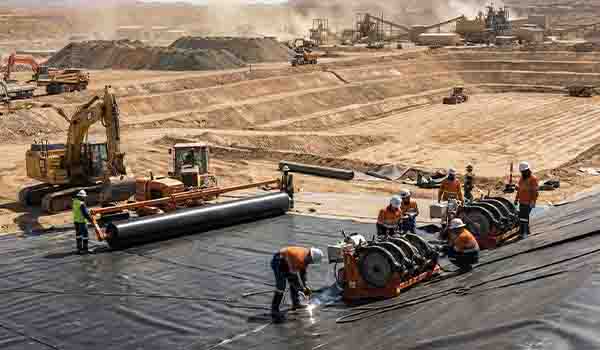
Have you ever wondered how modern mining extracts valuable metals such as gold or copper from rock with a very low mineral grade, Petra friends? The answer often comes down to an advanced civil engineering method called a heap leach pad. This extraction process is massive and efficient. Yet behind it lies one major challenge: how can millions of liters of chemical solvent be kept from leaking out and polluting the surrounding ecosystem?
This is where geosynthetic materials, especially geomembrane, play a crucial role as unseen heroes in mining areas. For those involved in mine construction, understanding the function of geomembrane in the mining heap leach pad method is essential. This is particularly true in Indonesia, where the extractive industry is increasingly required to operate sustainably without compromising environmental safety.
Understanding the Mine Heap Leach Pad Method
Before examining the liner’s functions, you need to understand how the basic mechanism works. Simply put, imagine this method as brewing coffee with a giant filter. Excavated ore is crushed and piled into a towering heap over a wide area of precisely prepared ground.
The pile of ore is then regularly irrigated with a special chemical solvent (for example, sulfuric acid solution for copper or sodium cyanide solution for gold). This chemical liquid slowly seeps downward (percolation), dissolving metal particles between the rocks. The result is a concentrated mineral-rich liquid called a pregnant solution. It flows to the bottom of the heap, is collected through a piping system and is then conveyed to the processing plant. Given the highly corrosive nature of the chemical liquid, the base of the stacking facility must not leak at all.
Why Is Geomembrane So Crucial?

So where exactly is the geomembrane? This watertight polymer sheet—most commonly made of High-Density Polyethylene (HDPE)—is spread evenly across the very bottom as the main protective base. Here are four reasons why its use is non-negotiable:
1. Preventing Soil and Water Pollution
The first absolute function of geomembrane is to serve as a liquid-tight barrier. The solvent used in heap leaching is highly toxic and environmentally damaging. If it leaks, seeps into the soil and reaches a natural groundwater route, the resulting damage will be severe and may lead to the suspension of the mine’s operating permit. HDPE geomembrane is rigorously designed to meet a zero leakage standard.
2. Maximizing Mineral Recovery
In the mining business, metal recovery efficiency is a measure of success. Every drop of collected pregnant solution is literally money. If the facility floor isn’t perfectly isolated, gold or copper solution will slowly be absorbed and lost into the earth. A solid geomembrane layer forces the entire solution to circulate optimally toward the collection ditch.
3. Maintaining Heap Structural Stability
These mine rock piles can reach tens to a hundred meters high, generating an enormous static load. There is a risk of a catastrophic slide if the liner surface is too smooth. That’s why a textured geomembrane is always used on sloped areas. Its purpose is to increase interface shear strength and thereby prevent dangerous rock slides.
4. Resisting Chemicals and Extreme Weather
This geosynthetic material will not easily tear, soften or react even when submerged in concentrated sulfuric acid for decades. Alongside its immunity to aggressive chemicals, mining-grade geomembrane is also formulated with UV protection. This makes it exceptionally tough and durable when exposed to extreme sunlight on an open project site.
Selecting and Installing the Lining System
Given the extreme working loads involved, you can’t use just any material. An ideal geomembrane for a heap leach pad is generally 1.5 mm to 2.0 mm thick, providing maximum puncture resistance against sharp rock edges.
During field installation, the geomembrane is not left to bear the load alone. This impermeable material is often given extra protection with a sheet of Non-Woven Geotextile above it, which acts as a protective cushion. Once the protective liner system is perfectly arranged, a network of perforated drainage pipes is installed lengthwise over it to provide a liquid flow path. For this basic piping system carrying high-pressure chemicals in a mining area, purpose-built, robust and corrosion-resistant pipe material is strongly recommended.
Conclusion
In conclusion, geomembrane acts as the lifeblood of a modern mining heap leach pad. This material balances the company’s high mineral extraction targets with its absolute duty to protect the environment. To operate mine drainage and extraction systems with the best long-term safety and durability, our final recommendation is to choose HDPE spiral pipe and integrate it harmoniously over your watertight geomembrane lining system.
Need a Consultation for Your Project?
Feel free to consult the Petra Nusa Elshada team. We supply a wide range of high-quality geosynthetics ready to ship throughout Indonesia. Let’s discuss your project needs now!
Check our catalog: Click here
Chat on WhatsApp Now: Click here
Remember Geosynthetics, Remember Petra!
Other Articles


Why Use Geosynthetics? Key Functions and Benefits
Why use geosynthetics? Geosynthetics are typically manufactured and designed to perform separation, reinforcement, filtration and drainage functions, and certain geosynthetics can perform several functions at once. Geosynthetic materials are used at every stage of construction to strengthen infrastructure by improving road design, conserving water, controlling evaporation, limiting erosion, and increasing the longevity, durability and safety […]
