


River Erosion: A Threat to the Environment and Life
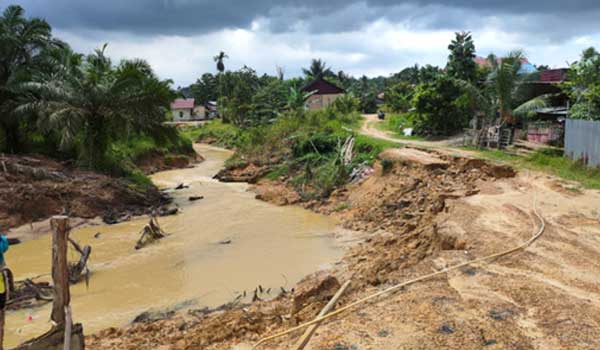
River erosion is an environmental problem of growing concern around the world, including in Indonesia. It does not only affect the beauty of the landscape; it also threatens ecosystems, villages and cities along riverbanks. A thorough understanding of river erosion is essential to prevent further damage.
River erosion is a natural process that cannot be avoided entirely, but people often accelerate it through irresponsible activities. Knowing how river erosion happens, what influences it and which solutions work is therefore the key to reducing its impact. In this article, we take a complete look at river erosion, its causes, the impacts it creates, and the solutions and preventive measures that can be taken.
What River Erosion Is and Its Main Causes

River erosion: a natural phenomenon that threatens the environment and life
River erosion is also triggered by natural factors that cannot be avoided entirely. High rainfall, especially during Indonesia’s rainy season, is one of the main causes. Heavy rain scours the soil with great force, particularly in areas with little protective vegetation.
Hilly terrain or steep slopes make erosion even worse. Gravity causes soil and rock to break loose easily and be carried away by the river current. In hilly areas the process happens faster because cliffs and slopes are more vulnerable to scouring.
Another factor that speeds up natural erosion is a weak soil layer that is not strong enough to withstand the pressure of flowing water. Unstable soil erodes faster, leaving scars along the riverbank that keep growing over time. This usually happens naturally, but the impact becomes far worse because of uncontrolled human activity.
How human activity accelerates erosion

River erosion: a natural phenomenon that threatens the environment and life
Besides natural factors, human activity now plays a major role in accelerating river erosion. Infrastructure such as roads, housing and farmland built without regard for environmental sustainability strips away ground cover, whether trees or grass, that should protect the soil from erosion.
Large-scale logging in upstream areas also reduces the roots that hold the soil together. As a result, the soil is easily washed away by runoff when the rainy season arrives. This happens especially in mountains and highlands, where forests are cleared without adequate replacement.
In addition, conventional farming with environmentally unfriendly ploughing techniques speeds up erosion. Soil that is cultivated continuously without any conservation system becomes fragile and is easily eroded by water. Poor waste management also causes excessive sedimentation in rivers, adding to the erosion load and accelerating environmental damage.
Impacts of river erosion on the environment and people
The impacts of river erosion are not limited to soil loss and ecosystem damage; they also strongly affect the lives of people nearby. One of the most visible impacts is flash floods and landslides that damage property and cost human lives.
Continuous river erosion also causes excessive sedimentation on the riverbed. This reduces the depth of the river and makes water resource management and river transport more difficult. Shallow rivers are also highly vulnerable to pollution and declining water quality.
Environmental damage caused by erosion also leads to major economic losses. Lost harvests, land rehabilitation costs and the cost of building new infrastructure when land or riverbanks are badly damaged can weigh heavily on the regional economy. Preventing and controlling river erosion must therefore be a top priority to protect the environment around rivers.
Effective Solutions and Measures to Prevent River Erosion

River erosion: a natural phenomenon that threatens the environment and life
Tackling river erosion requires a comprehensive approach involving communities, government and environmental experts. One important first step is to apply integrated soil and water conservation across all erosion-prone areas. With conservation, the soil becomes stronger and better able to hold water and withstand sediment loads.
Planting protective trees in upstream areas and on slopes is one of the main strategies for strengthening the soil. Deep-rooted vegetation reinforces the soil, reduces the volume of water flowing straight into the river, and lowers the risk of landslides and erosion.
Physical structures such as terraces, levees and reservoirs can also help control rainwater runoff and sedimentation, slowing down erosion. Reservoirs and small retention ponds can also store rainwater, reduce sudden peaks in river discharge and make water resource management more efficient.
River protection with geosynthetics

River erosion: a natural phenomenon that threatens the environment and life
Protecting rivers with geosynthetics is a technological innovation that is increasingly used in water resource management and natural disaster mitigation. It offers an effective and efficient way to protect rivers from erosion, sedimentation and environmental damage caused by human activity or natural disasters. With geosynthetic materials, protective and reinforcing structures along rivers can be built in a more environmentally friendly and affordable way.
Geosynthetics are used in river management to reinforce, stabilize and protect both natural and man-made structures along the river. Various types can be chosen to suit project needs, from geomembrane, geomesh and geogrid to geotextile. The choice of material depends heavily on site conditions, the environment and the specific protection needed against erosion or sedimentation.

River erosion: a natural phenomenon that threatens the environment and life
Each type of geosynthetic has its own functions and characteristics that make it suitable for particular applications. These materials are made from synthetic polymers that resist harsh environments such as UV exposure, salt water, chemicals and extreme weather. As a result, they provide maximum protection over a long service life at a lower cost.
Geosynthetics can be grouped by their main function and the material they are made from. Key examples include geomembrane for covering and surface protection, geotextile for filtration and sediment control, and geogrid and geomesh for reinforcing soil and stabilizing hills or embankments. Correct application can extend the life of river infrastructure and improve cost efficiency.
Advantages of Using Geosynthetics for River Protection
Using geosynthetics for river protection offers many advantages, including high durability against natural conditions, relatively low installation costs compared with conventional methods, and easy installation. These materials are also well suited to long-term projects because they can last for decades without costly replacement.

River erosion: a natural phenomenon that threatens the environment and life
Another key benefit is their ability to improve soil stability, prevent erosion and reduce the excessive sedimentation that can disrupt river flow. The technology also makes it easier to manage long stretches and large areas without major disruption to natural ecosystems, so the river environment is preserved.
Applied correctly, geosynthetics can also protect against water contamination and help with flood management. In construction projects, these materials can serve as a protective layer that reduces the risk of leaks and structural damage during construction and operation. As an innovative solution, geosynthetics are a strategic choice for a wiser future of water resource management.
Make sure you use high-quality geosynthetic products from Petra Nusa Elshada so your river protection delivers good results. Petra Nusa Elshada offers a wide range of high-quality geosynthetic materials at affordable prices. Contact Petra Nusa Elshada today for consultation and orders.
FAQ: Common Questions about River Erosion
What is river erosion?
River erosion is the scouring of soil and rock on the banks or bed of a river caused by continuous water flow. It is part of a natural process, but human activity can make it worse.
What makes river erosion happen faster?
River erosion can speed up because of extreme rainfall, large-scale logging, environmentally unfriendly development and unsustainable land management.
How does river erosion affect people?
Its impacts include flash floods, landslides, damage to property and infrastructure, and declining water quality. Erosion can even cause the loss of farmland and economic disruption.
Can river erosion be prevented completely?
River erosion cannot be prevented entirely because of natural factors, but its impact can be minimized through soil conservation, sustainable environmental management and erosion control structures.
What can individuals do to prevent river erosion?
Individuals can plant protective trees, avoid clearing land illegally, manage waste properly and support environmental conservation programs to help slow the rate of river erosion.
Conclusion
River erosion is an important and complex phenomenon that requires serious attention from everyone. Both natural controls and human interventions must be carried out in an integrated and sustainable way. A deep understanding, active community involvement and firm government policy will help reduce the impact of river erosion and ensure environmental sustainability and ecologically sound development. Through real action and collective awareness, river erosion can be controlled so that natural resources are preserved for present and future generations.
Other Articles

Geogrid Installation: 5 Essential Steps
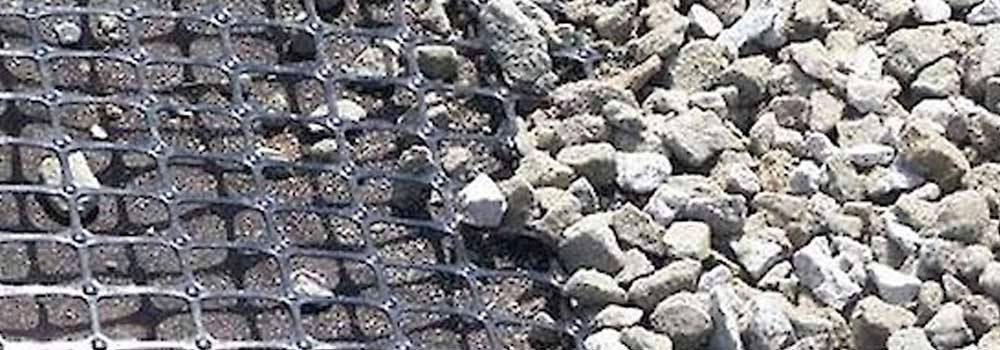
Geogrid is a geosynthetic product widely used for reinforcement, from road embankments and embankment bases to slope reinforcement. The material has apertures that allow it to interlock with soil particles. So how is geogrid installation carried out? The right installation method is needed for geogrid to deliver its full function and benefits. There are several […]
Roof Garden: A Cool, Attractive Urban Home Solution
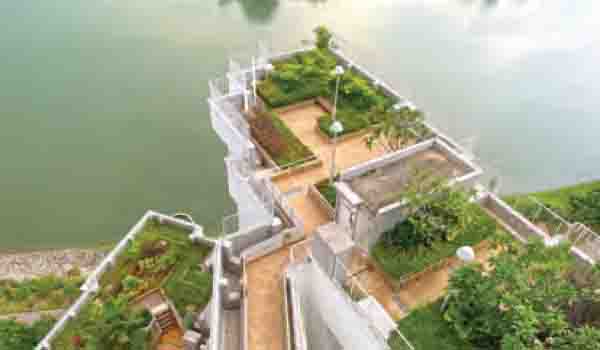
Hello, Petra friends! Have you ever felt that city weather has become hotter and more oppressive lately? Green space is increasingly scarce, while concrete buildings keep multiplying. If you have a home with limited land but still want to enjoy a lush garden, a roof garden is the answer! It is not only a trend […]