


Wastewater Pond Liner: Complete Guide to Safe Containment
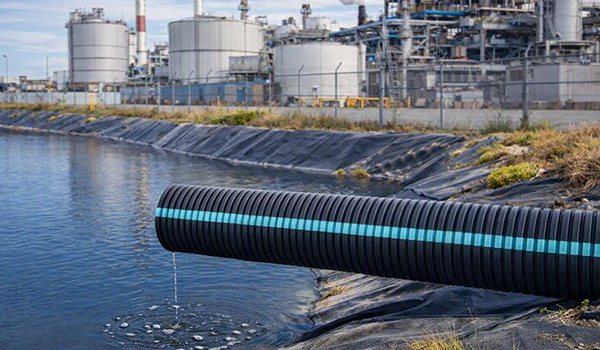
Managing liquid waste from industry, manufacturing, livestock farming, or households is a critical challenge for modern businesses. Failing to manage waste properly can not only damage the soil ecosystem and the water sources of nearby communities, but can also lead to heavy legal penalties for violating environmental regulations.
In recent years, traditional methods of building waste storage, such as unlined earth ponds or reinforced concrete structures, have increasingly been abandoned. Industry is now switching to a far more practical, flexible, and economical solution: the wastewater pond liner.
Special waste liners, particularly those made of synthetic materials such as High-Density Polyethylene (HDPE) geomembrane and PVC tarpaulin, have proven to be a reliable line of defense against soil contamination. This article reviews in depth everything you need to know about wastewater pond liners, from their benefits, material types, and cost comparison to installation techniques and maintenance.
Why Does Waste Management Need a Special Liner?
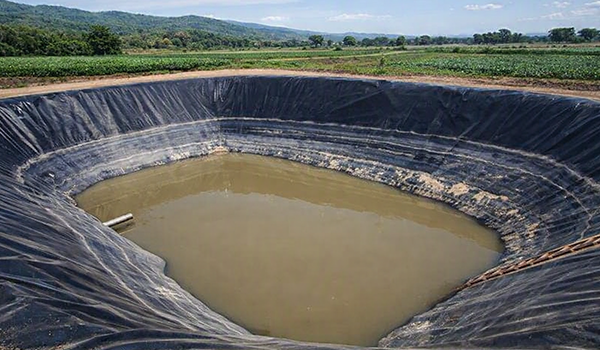
Organic and inorganic wastewater generally contains concentrations of toxic substances, extreme acidity (pH), and corrosive chemical compounds. If waste is simply channeled into an ordinary earth pond, these toxic liquids gradually seep (seepage) into the groundwater aquifer. The impact on public health and the ecosystem can be disastrous.
On the other hand, building a concrete pond requires a very large capital investment (Capital Expenditure), months of work, and the risk of hairline cracks caused by ground movement.
That is why the wastewater pond liner exists: a synthetic liner designed specifically to create an absolute barrier (zero-permeability barrier) between the liquid waste and the soil.
Key Advantages of a Wastewater Pond Liner over Concrete and Earth Ponds
Why are industrial and livestock businesses now flocking to special waste liners? Here are their main advantages:
1. Maximum Water and Liquid Tightness
High-quality liner materials have extremely low (almost zero) permeability. This ensures that not a single drop of wastewater seeps into the ground, while also preventing outside groundwater from entering the pond and causing the waste volume to overflow.
2. Lower Operating and Investment Costs
The material and installation cost of a wastewater pond liner can be 50% to 70% lower than building a reinforced concrete pond with the same storage volume.
3. Resistance to Corrosive Chemicals
Liquid waste often contains acids, strong alkalis, oils, and residues of bleach or dyes. Materials such as HDPE geomembrane are chemically very stable, so they will not degrade, become brittle, or dissolve on direct contact with these hazardous chemicals.
4. Relatively Fast Installation
A waste storage project of thousands of cubic meters can be completed within days using a liner, whereas a concrete pond of a similar scale takes months to build before the cement structure has fully cured.
5. Adapts to Ground Movement (Flexibility)
Soil often shifts or sinks (land subsidence). Concrete structures are rigid and prone to cracking when the ground moves. A liner, by contrast, has high elasticity and tensile strength, so it can follow the ground contour without leaking.
The Best Wastewater Pond Liner Materials
Not every type of tarpaulin is made to withstand the characteristics of waste. The choice of material should be based on how hazardous the waste is, how long the pond will be used, and the available budget. Here are the three most popular materials on the market:
A. HDPE Geomembrane (High-Density Polyethylene)
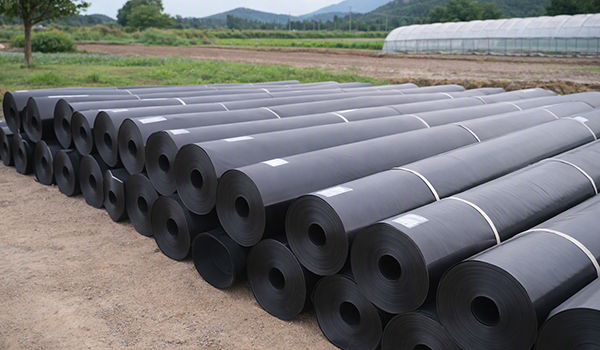
HDPE geomembrane is the gold standard, the top tier of liners for hazardous and toxic waste (B3 waste), mining waste, and large-scale livestock manure storage.
- Characteristics: Deep black, slightly stiff yet elastic, very dense, and resistant to ultraviolet (UV) radiation from direct sunlight.
- Durability: Can last more than 10–20 years outdoors (outdoor).
- Uses: Palm oil mill effluent (POME) ponds, mining waste ponds, landfills (TPA), and wastewater treatment plants (IPAL) of large industries.
B. PVC Tarpaulin (Semi-Rubber Tarpaulin)
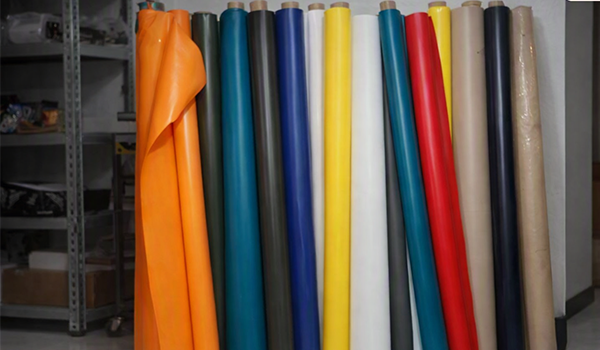
PVC tarpaulin is made from high-tenacity polyester fabric coated on both sides with elastic PVC resin.
- Characteristics: Very flexible, thick, rubbery, and highly scratch resistant.
- Durability: Generally lasts 3 to 7 years depending on material thickness and weather exposure.
- Uses: Cattle/poultry farm waste ponds, sedimentation ponds for leftover shrimp/fish feed, and medium-scale industrial liquid waste storage.
C. PE (Polyethylene) Tarpaulin Type A12–A20
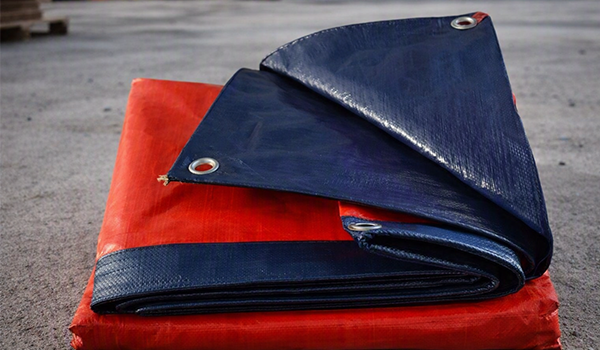
This is a woven plastic tarpaulin laminated with a waterproof coating on both sides.
- Characteristics: Very light, easy to fold, and very economical.
- Durability: Around 1 to 2 years.
- Uses: Temporary waste storage (temporary lagoon), overflow ponds (overflow), or non-corrosive domestic organic waste.
Wastewater Pond Liner Material Comparison Table
To help you choose the material that best suits your field needs, here is an overview comparison:
| Criteria | HDPE Geomembrane | PVC Tarpaulin (Semi-Rubber) | PE Tarpaulin (A12–A20) |
| Chemical Resistance | Very High (Strong Acids/Alkalis) | Medium – High | Low – Medium |
| UV Resistance | Excellent (Withstands Intense Heat) | Good | Fair |
| Elasticity | Medium | Very High | Low |
| Popular Thickness | 0.5 mm – 2.0 mm | 0.4 mm – 0.7 mm | A12 (0.23 mm) – A20 (0.4 mm) |
| Joining Method | Heat Welding | High-Frequency Press / Hot Air | Heat Press / Stitched Seams |
| Estimated Service Life | 10 – 20+ Years | 3 – 7 Years | 1 – 2 Years |
| Waste Risk Category | High / B3 Waste / Industrial | Medium / Livestock / Organic | Low / Temporary Storage |
Wastewater Pond Liner Applications Across Industries
The flexibility of waste liners makes them widely used across many business sectors. Here are real examples from the field:
1. Livestock and Biogas
The livestock sector produces massive volumes of liquid manure. Cattle, pig, and poultry manure contains high levels of methane and organic acids. HDPE or PVC liners are often used for:
- Anaerobic Biogas Ponds: Storing manure combined with a covered lagoon system (a liner cover) to capture methane gas, which is then converted into electricity or fuel.
- Manure Stabilization Ponds: Preventing liquid manure from seeping toward nearby settlements and contaminating residents’ wells.
2. Palm Oil Industry (POME – Palm Oil Mill Effluent)
Palm oil mills produce enormous volumes of POME effluent with high temperatures and significant acidity. Using a thick geomembrane liner (at least 1.0 mm – 1.5 mm) in palm oil waste ponds is a mandatory standard to prevent environmental pollution.
3. Textile and Dyeing Industry
Liquid waste from fabric dyeing contains synthetic chemicals and heavy metals. HDPE liners are used in Wastewater Treatment Plant (IPAL) ponds to settle out dyes before clean water is discharged back into rivers in line with effluent quality standards.
4. Mining and Energy
At mining sites, Acid Mine Drainage is a real threat. Geomembrane liners are placed at the bottom of settling ponds (settling pond) to isolate heavy metals and highly acidic water so they do not enter freshwater river systems.
5. Fisheries and Shrimp Ponds
In intensive aquaculture systems, leftover shrimp feed, ammonia, and organic waste accumulate at the bottom of the pond. Lined waste settling ponds (waste treatment pond) are installed to filter and break down aquaculture waste before it is released into the open sea.
Key Steps for Installing a Durable Wastewater Pond Liner
Incorrect installation can cause the liner to tear easily or leak at the seams. Here are the systematic steps for building a lined waste pond correctly:
Step 1: Excavation and Embankment Forming
- Excavate the soil to the dimensions required for the waste capacity.
- Form the pond side walls at a slope (slope) of around 45° to 60°. Avoid vertical 90° walls, as they are prone to collapse, which can damage the liner.
Step 2: Cleaning the Pond Base
- Clear the excavated area of sharp objects such as gravel, pointed stones, tree roots, and pieces of wood.
- Compact the subgrade at the pond base. If the soil is too coarse, first cover it with fine sand or non-woven geotextile as a protective base (cushioning layer).
Step 3: Laying Out the Liner (Unrolling)
- Unroll the liner slowly across the pond area in clear weather (avoid strong winds).
- Leave a little slack (slack) and do not pull it too tight. The liner needs room to move so it is not overstressed when filled with heavy liquid.
Step 4: Joining the Liner (Welding/Seaming)
- If the pond is wider than a single liner sheet, join the sheets on site (on-site welding).
- Use an extrusion welder or hot wedge welder for HDPE so the sheets fuse together completely at the molecular level. Never use glue or ordinary stitching for waste ponds.
Step 5: Anchoring the Liner Edges (Anchor Trench)
- Dig an anchor trench 30–40 cm wide and 30–50 cm deep around the top edge of the pond.
- Place the excess liner edge into the trench, then backfill it with compacted soil or cast concrete so the liner does not slip into the pond when it is filled.
Estimated Cost Analysis: Liner vs. Concrete Pond
For financial consideration, let’s look at an estimated investment comparison for building a 100 m³ waste pond:
Option A: Reinforced Concrete Pond
- Requires cement, sand, crushed stone, reinforcing steel, and waterproofing.
- Requires builders for 2–4 weeks.
- Estimated Cost: IDR 40,000,000 – IDR 70,000,000+
- Risk: Prone to cracking from ground movement; repairs are difficult and expensive.
Option B: HDPE Geomembrane Liner (0.75 mm Thick)
- Requires excavation (excavator) + liner material + welding services (welding).
- Work is completed in 2–3 days.
- Estimated Cost: IDR 12,000,000 – IDR 20,000,000
- Advantages: Durable, flexible, crack-free, and ready to use immediately.
Care and Maintenance Guide for Lined Waste Ponds
Although wastewater pond liners are designed to be very tough, regular maintenance is still needed to maximize their service life:
- Inspect Seams Regularly: Routinely check the welding areas or seams above the water line to make sure there are no cracks caused by extreme temperatures.
- Avoid Contact with Sharp Objects: Make sure heavy equipment such as excavators used to dredge waste sludge does not strike the liner base directly.
- Control Gas Beneath the Liner: In some soil types, natural gas can collect under the liner (bubbling). Install vent pipes with an underdrain system if needed to release trapped gas.
- Clear Wild Vegetation: Remove plants or woody tree roots around the anchor trench (anchor trench) that could puncture the liner from the outside.
Conclusion
Choosing a wastewater pond liner material should never be done carelessly. Given its crucial role as the front line of environmental protection, you need a geomembrane product that is not merely watertight, but also quality-certified, highly durable, and backed by professional technical support.
- PT. Petra Nusa Elshada is your trusted partner for the supply and installation of high-quality geomembrane. As a leading geosynthetics solutions provider, we understand that every waste containment project has unique characteristics, whether in terms of volume, acidity, or the geography of the site.
📞 Phone/WhatsApp: 082123834360
“Get a free consultation and the best quote today. PT. Petra Nusa Elshada is ready to be the strategic partner for your construction project.”
Other Articles

What Is Concrete Curing?
What is concrete curing? Curing is the concrete maintenance carried out once concrete begins to harden. Its purpose is to prevent the concrete from losing moisture and to maintain its humidity and temperature, so that the concrete reaches good quality and strength. Curing can be carried out when the concrete enters the hardening phase (on […]

HDPE Geomembrane: Specifications and Advantages
The term HDPE plastic may be more familiar to the general public than HDPE geomembrane. In general, geomembrane is a civil engineering construction material closely associated with water containment. This article looks at HDPE geomembrane specifications, functions and advantages. To learn more about geomembrane in general and HDPE in particular, the following article covers its […]

Trusted Shrimp Pond Geomembrane Distributor
Hello, Petra friends! How is your shrimp farm doing today? We hope its growth chart keeps trending upward. When we talk about the shrimp farming business, we are not only talking about quality fry or feed. There is one “silent hero” that very often determines the success of your harvests in the long run: Geomembrane. […]