


Geosynthetic Clay Liner (GCL): Definition and Functions
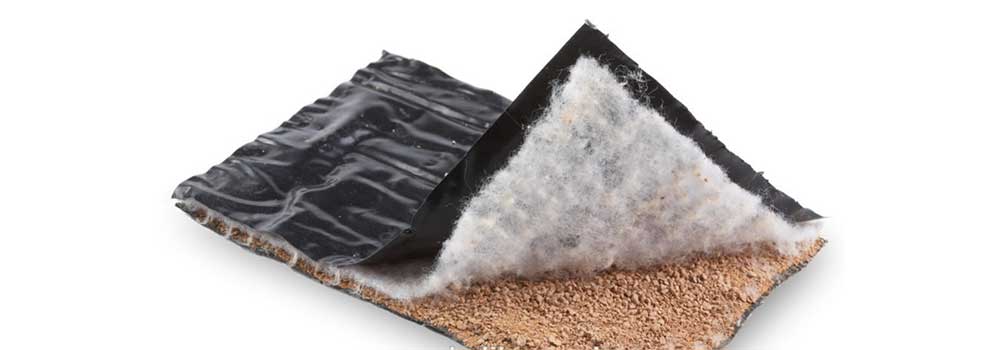
Geosynthetic Clay Liner, better known as GCL, separates soil layers from water and also forms a waterproof layer. Among the key geosynthetic clay liner functions, it combines sodium bentonite with non-woven geotextile and woven geotextile layers, usually reinforced by needle punching. GCL generally works like geomembrane, but it can be a far more reliable and economical alternative to conventional liners.

Geosynthetic Clay Liner (GCL) applications:
- Water storage ponds
- Wastewater ponds
- Landfills
- Waterproofing
- Lakes
- Protection for HDPE geomembrane in B3 (hazardous and toxic waste) containment.
Advantages of Geosynthetic Clay Liner (GCL):
- Easy installation that saves time and money.
- Relatively low price and low maintenance.
- Self-healing ability: it can seal itself if a leak occurs.
- Environmentally friendly.
- Expected service life of up to 25 years.
Other Articles

Choosing Geosynthetics for Slope Protection
Slopes are very common in geotechnical construction. Slopes need reinforcement and protection, because there is always a risk of landslides caused by erosion on the slope. To prevent landslides and reduce erosion, geosynthetics for slope protection can be used to reinforce and protect the slope surface. This time we will discuss the geosynthetic products that […]

HDPE Butt Fusion Machine: Functions and How It Works
An HDPE butt fusion machine, also called an HDPE pipe welding machine, is a machine for joining pipes made of HDPE (High Density Polyethylene). It fuses two pipes into one with a reliable result. This HDPE pipe machine works by melting the pipe ends with adjustable heat. It can be used not only to join […]

What Is a Geocomposite? Definition, Types and Advantages
What is a geocomposite? You may not be familiar with the term yet. This material is a geosynthetic product that combines one geosynthetic material with another, so two geosynthetic materials are used together. The purpose of combining the two geosynthetic materials is to achieve better results and performance, particularly in terms of the functions of […]