


What Is a Geotube? Functions and Definition

As a Breakwater
Large waves and currents are one of the causes of erosion or abrasion of riverbanks, and they damage structures along the river. One of the large wave currents commonly found is the Bono tidal bore. The Kampar River has a “V”-shaped estuary: when the mass of water enters through the wide mouth of the bay, it is held back, so the high tide fills the estuary area.

The collected water is then pushed upstream, creating a strong pressure effect as it passes through the narrowing, constantly shallow area at the mouth of the bay. This produces waves of varying size at the head of the bay, which can reach up to four meters. So, what is a geotube used for? Here is the explanation.

What Is a Geotube?
A geotube, as this material is commonly known, is a large tube-like bag made of porous woven geotextile and filled with sand (sand slurry). The base material used must be weather resistant.

This material is also called a geotextile tube. It is known as one of the best materials for a wide range of construction needs; its main use is protecting shorelines, and it can also be used to build underwater structures.
Geotube Functions
Geotubes are widely used to keep an area dry and protected from outside water. Geotubes are generally used for construction projects that require dewatering an area, either temporarily or permanently.
Here are some of the functions and benefits of geotubes:
- Riverbank protection
- Coastal reclamation
- Building structures on wetlands
- Dam construction
- Dike construction
- Coastal erosion control
- Coastal breakwaters
- Island building
- Platform construction
- Offshore structures
- Fill in slope protection works
- Wastewater treatment and temporary waste storage
- Treatment of solid waste and contaminated sludge
From these functions, this material can be the best choice for preventing erosion, such as shoreline erosion. Geotubes are now widely chosen because they are an easy, simple solution with proven durability.

Geotubes tackle coastal erosion by absorbing the impact of waves and reducing the force of wave strikes. In this way, coastal erosion can be minimized effectively with a technology that is more efficient and low-cost.
Geotubes can also be used to prevent other soil erosion, such as on fast-flowing riverbanks, and to prevent erosion caused by continuous rain that leads to landslides.
Geotube Construction
There are several types of erosion protection structures, including rock piles, tetrapods, gabions and sheet piles. These types of erosion protection have several drawbacks, ranging from difficult construction in the field and material procurement to, above all, cost and long construction time.
The geotube is an erosion protection structure well suited to these conditions. It can serve as an alternative erosion protection structure, and its use has been introduced for domestic needs. A geotube is a structure in the form of a large pipe-shaped casing filled with sand, made of high strength geotextile with specific specifications.

This product has been widely used for breakwaters, dikes, revetments, groins and jetties. The geosynthetic acts as the casing material of the geotube, holding back the soil or mixture inside while at the same time letting water flow out without carrying soil particles with it. The fill material is pumped into the geotube or fed by gravity through the inlets on the geotube.
Other Articles
How to Choose the Right Geotextile Type
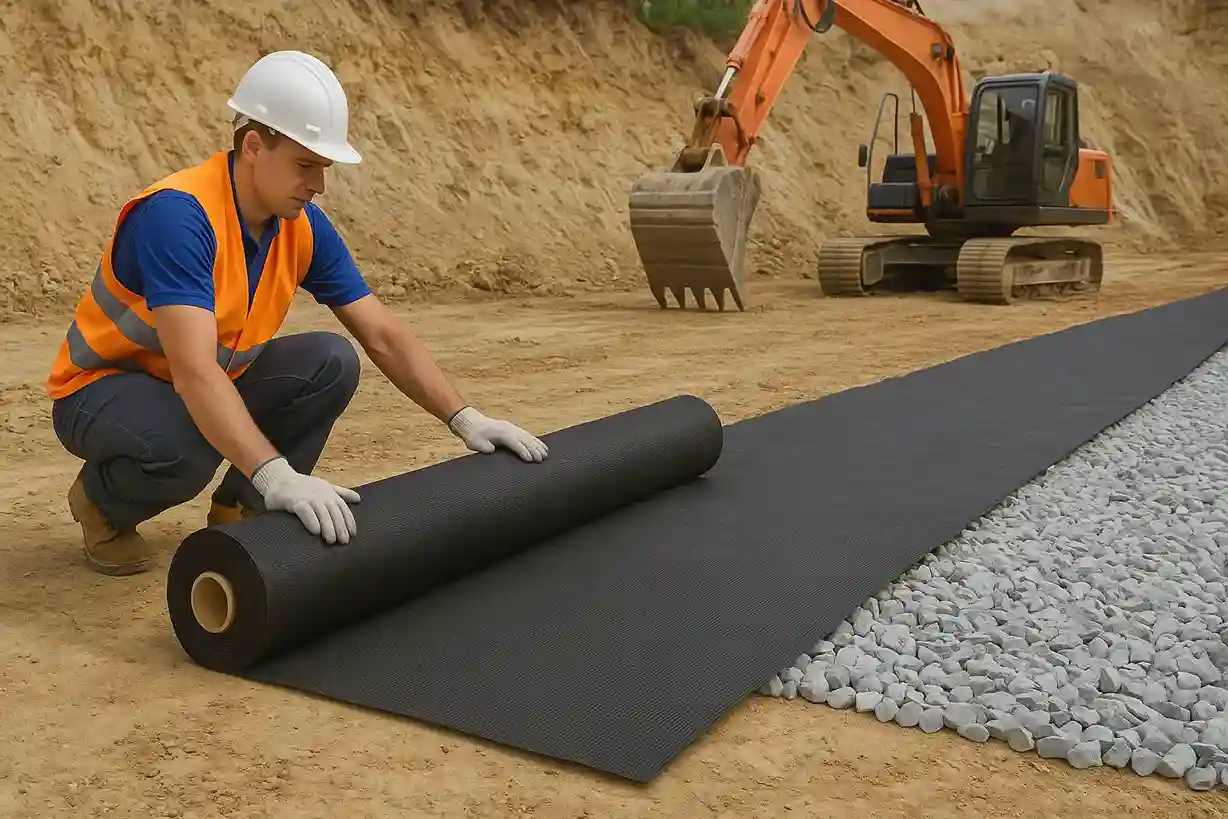
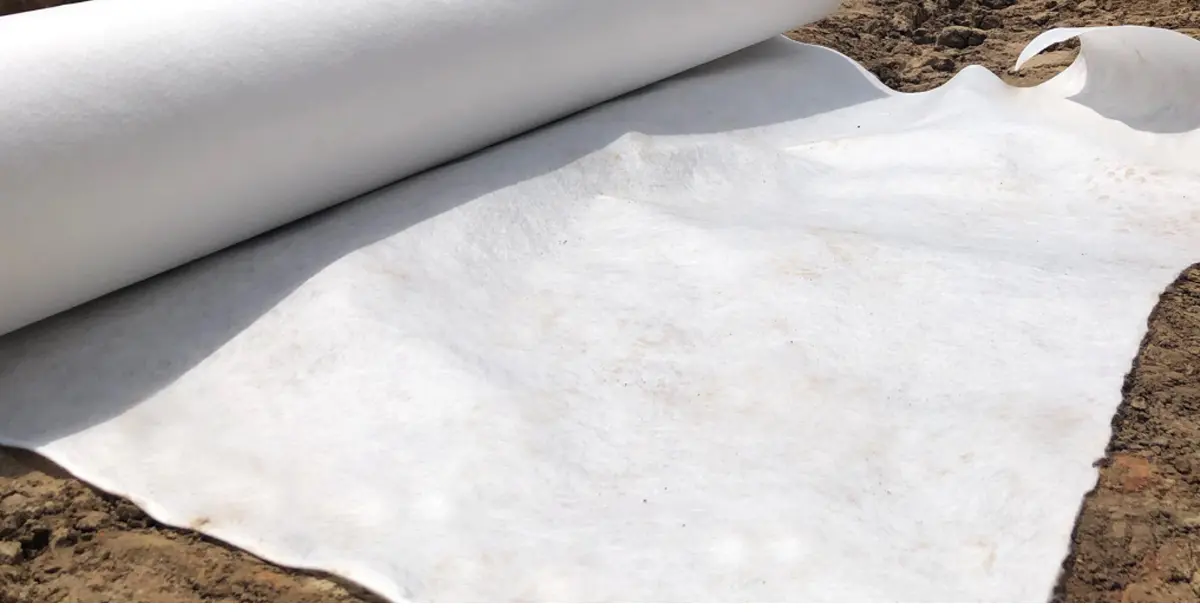
Understanding the types of geotextile is essential for construction and environmental management professionals. In today’s advancing world, using the right material is crucial to achieving optimal results. Geotextile is an innovation in civil engineering that offers many benefits for infrastructure and environmental protection. This article explores the various types of geotextile so readers can better […]
Functions of Geomembrane in a WWTP Anaerobic Pond
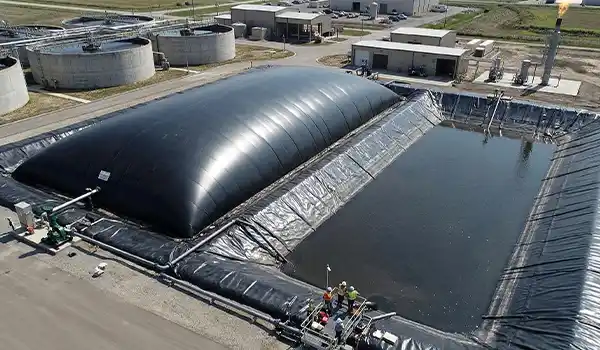
Have you ever wondered how large factories or industries manage their wastewater so it doesn’t pollute the surrounding environment, Petra friends? One of the most crucial stages in a Wastewater Treatment Plant (WWTP) is the process inside the anaerobic pond. To keep this treatment process running smoothly and safely, there is one unseen hero with […]