


Functions of Geosynthetics in Road Construction
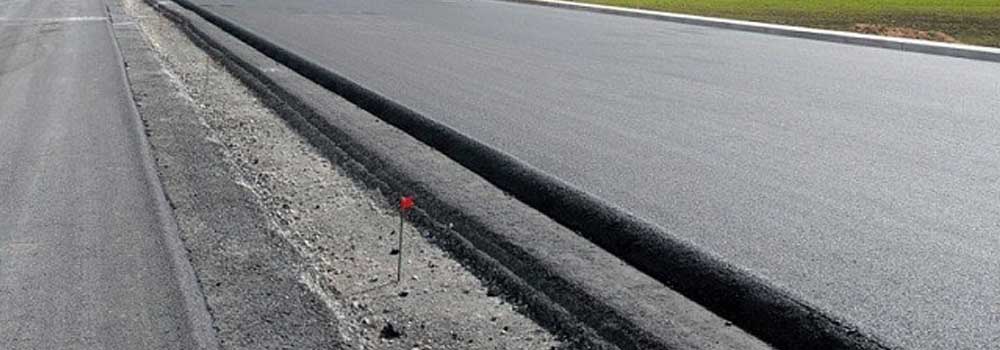
Geosynthetics in road construction are quite common, including geotextile, geogrid, geocell, geonet and geomembrane. These geosynthetics can fulfil one or more of the functions a road structure needs. For example, in 1970 geosynthetics were used to improve the performance of roads on soft soil. From 1980 onwards, geosynthetics were developed to reduce the risk of cracking in asphalt.

Functions and applications of geosynthetics in road construction
The figure above shows several possible placements of geosynthetics in a road structure, along with their functions. In general, the functions can be described as follows:
Separation
The geosynthetic is placed between two different material layers to preserve the integrity and function of each layer. The key consideration here is the survivability of the geosynthetic during construction.
Filtration
Geosynthetics act as a filter, allowing water to flow through the geosynthetic while soil particles are retained by it. The key considerations are the permittivity and pore size of the geosynthetic.
Reinforcement
Geosynthetics have tensile strength that acts as reinforcement, maintaining the stability of the soil-geosynthetic composite. The key design parameter is the tensile strength of the geosynthetic.
Stiffening
Geosynthetics can control the deformation of the soil-geosynthetic composite. The key to this function is the increase in stiffness resulting from soil-geosynthetic interaction.
Drainage
Geosynthetics allow gas or liquid to flow so that it drains properly. The key to this function is the hydraulic conductivity and thickness of the material.
Other Articles
What Is HDPE Geomembrane? Types and Applications
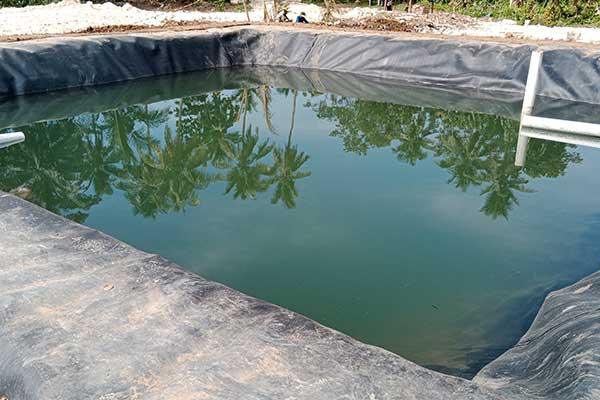
What Is HDPE Geomembrane? HDPE geomembrane is a geosynthetic product made from polyethylene polymer resin. The polyethylene used is high-density, with a density of around 0.94 g /cm3. Geomembrane, also known as HDPE tarpaulin, is impermeable to water and gas. This impermeability is widely used by construction professionals to contain wastewater or raw water as […]

HDPE Spiral Corrugated Pipe Installation
HDPE corrugated pipe installation is fairly simple, but corrugated pipe installation requires attention to the backfilling rules, because backfilling plays a very important role in pipe performance. The backfilling requirements are as follows:
Geomembrane for Final Disposal Sites and Landfills
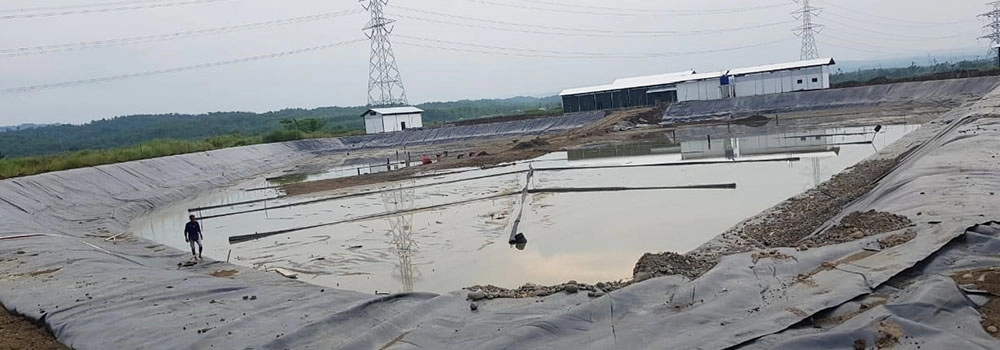
The Role of Geomembrane for Landfills and TPA (Final Disposal Sites) Why Applying Geomembrane at Landfills Matters If geomembrane is not applied at a landfill, the following problems can occur: In short, using geomembrane at waste disposal sites is an essential measure to prevent environmental pollution, protect water resources, maintain air quality and ensure public […]