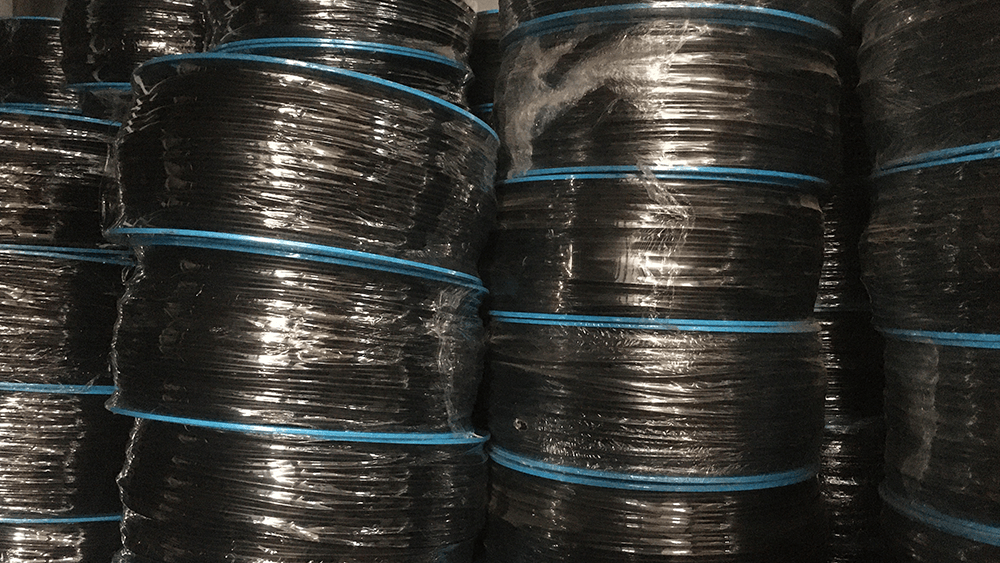
What Is HDPE? Advantages, Uses and Benefits

What is HDPE? HDPE (High-Density Polyethylene) is a type of high-density polyethylene with unique properties and many uses. In this article, we outline the various aspects of HDPE, including its advantages, uses and benefits across industries.
What Is HDPE?
HDPE is a thermoplastic polymer formed through the polymerization of ethylene. Compared with low-density polyethylene (LDPE), HDPE has a higher density, which makes it stronger, stiffer and more resistant to high temperatures. These properties make HDPE very popular in many applications.

Advantages of HDPE
1. High Strength and Durability: HDPE is exceptionally strong, even at high temperatures. Its high stiffness and durability make it ideal for applications that need a strong, long-lasting material.
2. Chemical Resistance: HDPE has excellent resistance to aggressive chemicals, including acids, alkalis and solvents. This makes it a good choice for the chemical industry, food processing and the storage of hazardous materials.
3. Corrosion Resistance: HDPE is highly resistant to corrosion and will not rust or erode in harsh environments. This makes it suitable for piping systems for drinking water, wastewater or agriculture.
4. Weldability: HDPE can be joined by heat welding, which creates strong, durable joints between HDPE parts. This is very valuable in applications such as piping systems, storage tanks and HDPE-based construction.
Read Also: Pond tarpaulin vs geomembrane for shrimp ponds
Uses of HDPE
1. Pipe Industry: HDPE is widely used in piping systems for drinking water, wastewater, natural gas and many industrial purposes. Its corrosion resistance, high durability and weldability make it superior to other pipe materials.

2. Packaging Industry: HDPE is widely used in packaging, especially for plastic bottles, jerrycans, cosmetic containers and household products. Its chemical resistance, light weight and good formability make HDPE a popular packaging material.
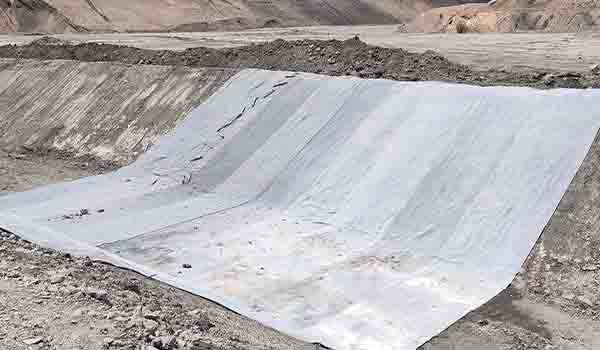
3. Construction and Building: HDPE is used in many construction applications, including geomembrane as an impermeable liner in mining projects, chemical storage tanks, waterproof liners and drainage systems. Its corrosion resistance and high strength make HDPE a highly reliable material in the construction industry.
Read Also: Tarpaulin price per meter
Environmental Benefits of HDPE
HDPE can be recycled with a high success rate. Recycling HDPE helps reduce plastic waste and eases pressure on natural resources. HDPE is also more environmentally friendly than some alternative materials, such as metal, because it does not rust and needs no special maintenance.
Conclusion
HDPE is a strong, durable and versatile polymer with many advantages. It is widely used in piping, packaging, construction and much more. Its physical properties, such as chemical and corrosion resistance and weldability, make it ideal for many applications. Its environmental benefit as a recyclable material adds significant value. In an era of growing environmental awareness, HDPE is a material of choice that supports sustainable, environmentally friendly practices.
Other Articles
Official Non-Woven and Woven Geotextile Supplier
Geotextile Supplier – PT. Petra Nusa Elshada is a geosynthetics company specializing in the sale and installation of geosynthetic materials. We market both locally made Indonesian products and imported products. Geosynthetic products are used for soil improvement and construction engineering, and we provide services and technical advice, help you choose the right product and deliver […]