Smooth vs Textured Geomembrane: Key Differences

In engineering construction, geomembrane is a geotechnical material that is often used and can play a major role. So what is the difference between smooth vs textured geomembrane? There are many differences between the rough and smooth surfaces of a geomembrane, including specific differences in appearance, performance, application, price and more. The main difference between smooth and textured geomembrane is the surface texture, which determines the characteristics and advantages of each type.

Geomembrane surface texture
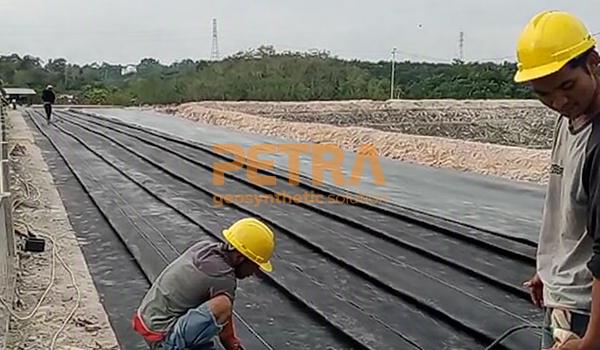
Smooth Geomembrane: a smooth geomembrane has a completely flat, smooth surface on both sides. The smooth surface can significantly reduce friction with adjacent materials (such as soil, geotextile or other geosynthetic layers).
Textured: Geomembrane with a texture has a surface pattern that can take the form of asperities or other irregular shapes. This textured surface increases friction and improves bonding with adjacent materials, providing greater stability and shear resistance.
Smooth vs textured geomembrane: friction and interface bonding
Smooth: because of its smooth surface, a smooth geomembrane has low friction with the underlying material, which is an advantage in certain applications where minimal friction is required.
Textured: a textured geomembrane increases friction and improves adhesion to adjacent materials, making it suitable for applications where stability is critical.
Smooth applications: smooth geomembrane is usually used in applications where low friction and watertightness are the main requirements. These include water reservoirs, pond liners, channel liners and liquid storage tanks.

Textured: textured geomembrane is the first choice for applications that need higher friction and better interface bonding. These include landfill liners, slope stabilization, mining waste containment and areas with steep slopes.
Choosing a Geomembrane
The choice between smooth and textured geomembrane depends on the specific project requirements, site conditions and engineering goals. When choosing the right type of geomembrane for an application, it is important to consider factors such as friction, interface bonding and sliding potential.

In addition, smooth and textured geomembranes are made of various materials, such as HDPE, LLDPE and others, each with its own characteristics, and the choice of material must also meet the needs of the project.
Other Articles

Geotube Protection Materials and Installation
The material that forms a Geotube is made of polymers that are not UV resistant, so geotube protection materials are needed.Geotube structures must also be protected against impacts from sharp materials such as driftinglogs or collisions with small boats. Taking into account the conditions of each sectionwhere the Geotube is installed, concrete mattresses are used […]
Geobag Functions and Benefits for Erosion Control
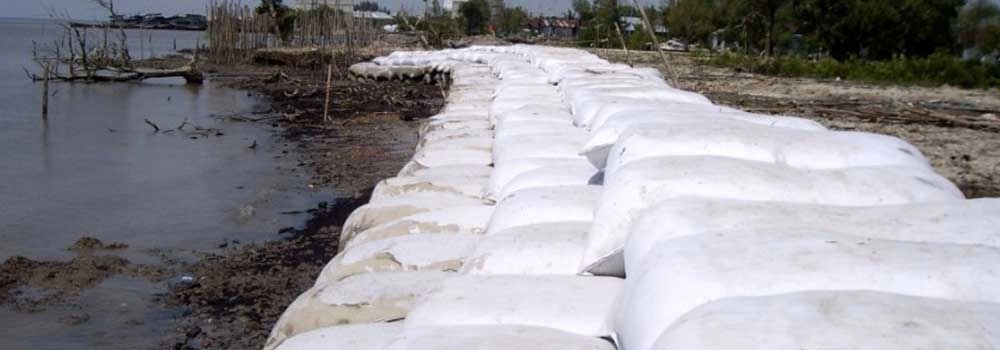
Have you seen large bags neatly arranged along a riverbank or coastline? This geosynthetic product is known as a geobag. Today, geobag is one of the most popular and efficient solutions in civil engineering construction and environmental management, particularly for controlling riverbank erosion and preventing coastal erosion.