


Geobag Functions and Benefits for Erosion Control
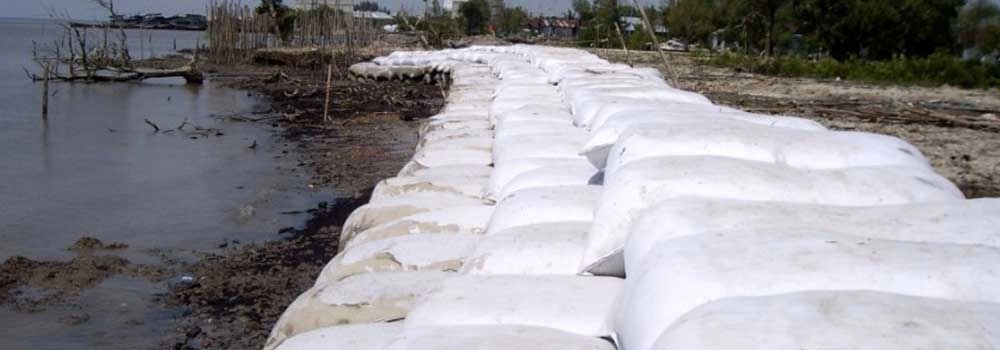
Have you seen large bags neatly arranged along a riverbank or coastline? This geosynthetic product is known as a geobag.
Today, geobag is one of the most popular and efficient solutions in civil engineering construction and environmental management, particularly for controlling riverbank erosion and preventing coastal erosion.

What Is a Geobag?
Geobag is a geotextile bag or cushion made from woven or non-woven fabric and filled with material, generally sand, soil or gravel. Once densely filled, the bag is secured and sealed with a specialized stitching technique so the contents do not leak when exposed to water currents.
Because it is flexible and resistant to extreme weather, geobag is often used instead of concrete structures or natural rock in soil and coastal protection projects.

Main Geobag Functions in Environmental and Construction Projects
Geobag has a wide range of uses, especially in emergency response areas and long-term infrastructure projects. The following are its main functions:
1. As a Breakwater (Breakwater)
Geobags filled with sand or soil can be arranged along a shoreline to serve as natural breakwaters. This arrangement effectively blocks and absorbs wave energy before it reaches the shore. The geobag barrier can also protect coastal settlements from seawater intrusion caused by large waves.
2. Preventing Coastal Erosion
Coastal erosion caused by sea waves can damage nearby ecosystems and infrastructure. Placing geobags in vulnerable areas can significantly minimize shoreline erosion because the bags remain stable despite continuous wave impact.
3. Controlling Soil Erosion Along Riverbanks
Geobag is effective not only in coastal areas but also along riverbanks, where it prevents soil erosion caused by strong currents. Preventing riverbank erosion is essential for maintaining stable dike structures and reducing flood risk in surrounding areas.
Advantages of Using Geobag
Why do many contractors and project developers choose geobag over conventional structures? Here are several reasons:
-
More Affordable: Compared with building concrete structures or transporting large quantities of crushed rock, procuring and installing geobag is far more economical.
-
Flexible Fill Material: Geobag fill can use locally available resources near the project site, such as local soil or sand. This reduces logistics costs.
-
Customizable Size: Geobag capacity and dimensions can be ordered to suit field engineering requirements. The larger and heavier the geobag, the more effectively it can withstand waves or strong currents.
-
Practical and Environmentally Friendly: Durable geotextile material does not release harmful toxins into aquatic ecosystems, making it safe for the surrounding environment.
Get Quality Geobags for Your Project
Choosing a geobag with the right geotextile material and strong stitching is critical to the success of your erosion protection project.
If you need high-quality, proven geobag products for various construction needs, discuss your requirements directly with a trusted manufacturer through the official Petrane.
Other Articles
Functions of Geomembrane in a WWTP Anaerobic Pond
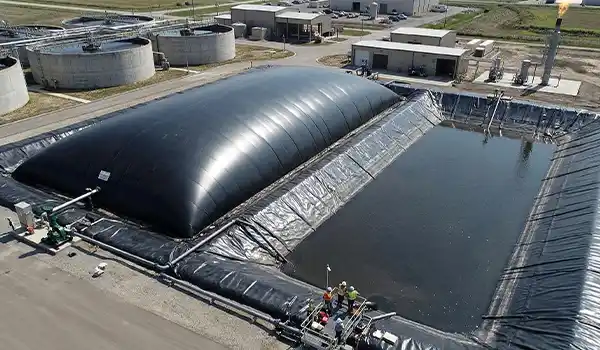
Have you ever wondered how large factories or industries manage their wastewater so it doesn’t pollute the surrounding environment, Petra friends? One of the most crucial stages in a Wastewater Treatment Plant (WWTP) is the process inside the anaerobic pond. To keep this treatment process running smoothly and safely, there is one unseen hero with […]
Geocell Indonesia: Functions, Price and Quality
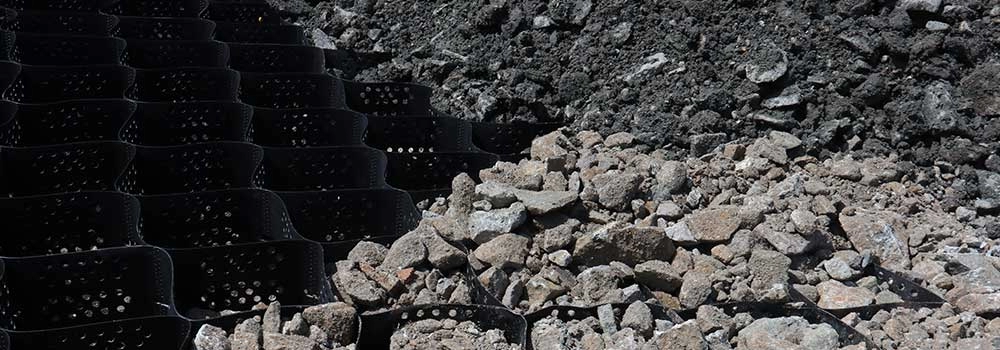
Have you ever heard of Geocell Geotextile? This time we will discuss geocell in Indonesia, which can help prevent soil erosion. Make sure you understand this information well so you can keep your ground in good condition. Geocell Geotextile People who do not work in construction may not be familiar with the term geocell. What […]