


What Is Geonet? Drainage Functions and Advantages
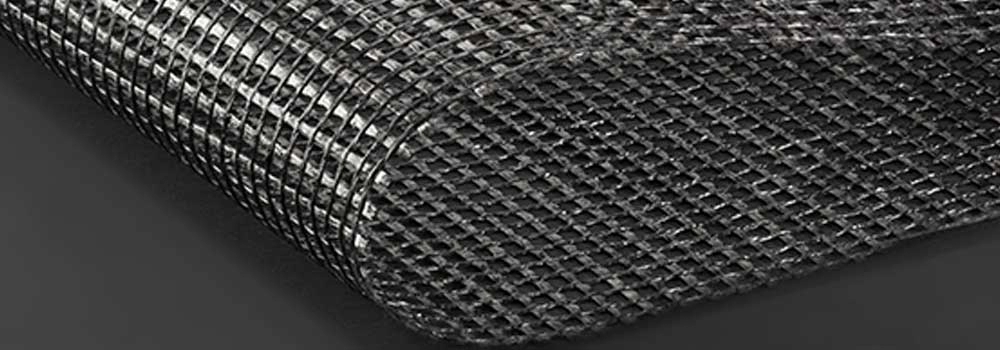
Technological progress has driven many innovations, including in construction. Construction needs keep growing and require the right technological support. One example is geonet drainage, provided by a geosynthetic material called geonet.

You may not be very familiar with the term yet. This geosynthetic product, made of HDPE, is usually used in drainage systems beneath embankments. For a more complete explanation, read the overview below.
What Is Geonet?
As mentioned above, this product is a geosynthetic material often used in drainage systems; it is also known as a drainage geocomposite. It is made of HDPE and resembles two sheets of carpet joined together with a net structure in the middle.

This product comes in several variants that can be selected according to construction needs, from the 2-layer type known as bi-planar to the 3-layer type known as tri-planar. It can also be combined with one or two layers of non-woven geotextile that act as a filter.
Read Also: Geonet: Functions and Price
Geonet drainage composites are often combined with other geosynthetic materials such as geotextile and geomembrane. The material is usually placed beneath or on top of the other materials, depending on the intended function.
HDPE Geonet Drainage Functions and Applications
This geosynthetic product is often the solution for construction needs related to drainage systems. It usually replaces conventional drainage materials such as sand and gravel. One reason for using it is that it is easier and more practical.

Drainage geonet has a high load-bearing capacity: it can withstand loads of up to 500 kPa and still function well. It can be used for a range of construction needs.
Read Also: Preventing Slope Erosion with Geocell
These include drainage layers in landfills, landfill capping, roof gardens, football fields and golf courses, drainage behind retaining walls, on rock and soil slopes, behind geomembranes in dams or channels, drainage at TPA (landfill) sites, and beneath foundations and highways.
Besides working effectively in drainage systems, this geosynthetic product also has several other functions:
● Soil Stabilization
For soil stabilization, the product controls groundwater or surface water in certain structures such as slopes or retaining walls. This layer effectively helps maintain the balance and stability of the overall structure.
● Reducing Hydrostatic Pressure
Hydrostatic pressure can cause serious problems in construction projects on unstable soil. With this product, hydrostatic pressure can be reduced by channeling water into the drainage system.
Advantages of Geonet in Construction
There are good reasons why many construction projects, especially those involving drainage systems, choose geosynthetic geonet. It offers several advantages, including:
- Easier and faster installation than conventional methods using gravel and sand.
- Good durability, so it can be used over the long term.
- Resistant to chemical compounds and hazardous (B3) waste.
- Strong and durable, so it does not corrode easily.
- Performs well even under relatively high embankment loads.
- Can increase embankment capacity.
- An effective replacement for gravel and sand because it is more practical and economical.
Various types of geonet can be used to support construction needs, not only for drainage systems but also for other civil engineering work such as soil stabilization. For complete information and to order products, please visit https://petrane.co.id/.
Other Articles

Class 1 Geotextile Separator and Its Uses
Geotextile is a modern method that is currently trending in geotechnical engineering. Using geotextile is one of the best options for dealing with soft soil. Geotextiles are divided into three groups: the class 1 geotextile separator, class 2 and class 3. Many people do not understand why this geotextile technique is used. Geotextile is a […]

Types of Geogrid: Uniaxial, Biaxial and Triaxial
Here are the types of geogrid and their functions. Several types of geogrid are available on the market, but four are commonly used: uniaxial geogrid, biaxial geogrid, triaxial geogrid and polyester geogrid. Types of Geogrid Uniaxial Geogrid Uniaxial geogrid has long, elongated apertures and is manufactured as an integral structure. It can be made from […]
Why Geomembrane Withstands Hazardous Mining Waste
Have you ever wondered how mining companies manage their toxic waste so it doesn’t damage the surrounding environment, Petra friends? Mining produces high-value materials, but behind them comes something else: hazardous and toxic (B3) waste. This is where a hero called geomembrane comes into action. This lining material is like a shield protecting the earth […]