


Road Construction Types: An Infrastructure Guide
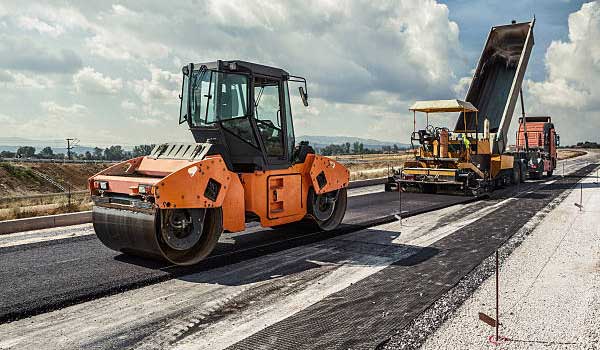
Road construction is one of the most important aspects of a country’s infrastructure development. Choosing the right road construction types not only makes it easier for people to get around, but also supports economic growth and regional development. Understanding the different kinds of road construction helps decision-makers choose the best method for the local environment and geography.
Road Construction Types by Function and Material
The various road construction types are classified by their function and by the materials used to build them. Choosing the right type determines the strength, durability, and the cost of construction and future maintenance. These road types fall into several main categories, such as city streets, highways, village roads, and footpaths.
Each construction type has unique characteristics, from its layer structure and construction technique to the specific materials it uses. The choice of construction type should be based on an analysis of user needs, soil conditions, and expected traffic loads. Below is a complete explanation of several road construction types by function and material.
Reinforced Concrete Roads
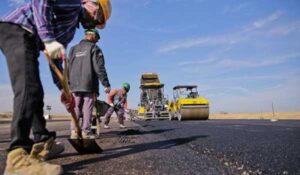
Reinforced concrete road construction
Reinforced concrete roads are one of the most popular and widely used road construction types in many countries. These roads use a concrete layer reinforced with steel bars inside, making them very strong and durable, especially on routes with high traffic volumes.
The main structure of a reinforced concrete road consists of a strong base layer and a concrete surface layer reinforced with steel bars. Because they resist pressure and wear, concrete roads are well suited to main roads, toll roads, and industrial areas.
The advantage of reinforced concrete roads is their superior strength under heavy loads and their long service life with little maintenance. Although the initial construction cost tends to be higher than that of asphalt roads, the lower long-term maintenance cost makes them very economical over time. Another drawback is that construction takes quite a long time and requires detailed planning to achieve the best results.
Flexible Asphalt Roads
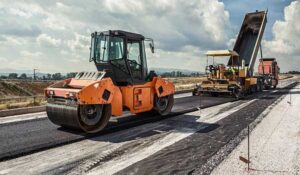
Flexible asphalt road construction
This construction type uses a flexible asphalt layer that can absorb shocks from traffic and ground movement. Flexible asphalt roads are the first choice in urban areas because they can adapt to ground movement, which reduces the risk of cracking.
Placing the asphalt layer on top of a strong foundation and sub-base is the main advantage of this type. As a result, the road can easily be repaired in sections without replacing the whole road. Other advantages of flexible asphalt roads are that they are relatively quick to build and have a lower initial cost than concrete roads.
However, the main challenge of this type is how quickly it degrades from weather exposure such as sunlight and rain, which can cause deformation or cracking. Regular maintenance is therefore essential to keep the road in good condition, and the asphalt layer must be renewed periodically.
Gravel and Sand Roads
Gravel and sand road construction
As one of the simplest and most economical road construction types, gravel and sand roads are usually used in rural areas, farmland, or access roads to sites with light traffic. This method suits temporary activities or secondary connecting roads.
The structure of this road consists of a subgrade covered with a layer of gravel or sand as the main surface. Because gravel and sand are easy to find, construction costs are very low and the work is relatively fast. The main function of this road is to serve as a temporary access road before a stronger permanent road is built.
However, the weakness of gravel and sand roads is their relatively low durability: they get dusty when dry and become impassable after heavy rain turns the ground muddy. Regular handling and maintenance are needed to keep these roads usable.
Road Construction Types by Technology and Construction Technique

Modern road construction technology
Besides function and material, road construction types are also classified by technology and construction technique. This approach matters because construction technology keeps advancing, offering innovative options that improve road quality and reduce construction costs.
Modern road construction technology combines conventional methods with technical innovations to produce better-quality roads with a longer service life. Most of the road construction techniques being developed today must also take environmental impact into account.
Below is a complete explanation of several road construction types by technology and construction technique.
Geotextile-Based Road Technology
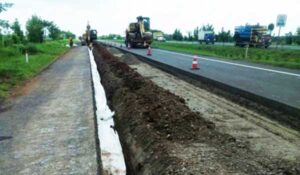
Geotextile-based road construction
Applying geotextile-based technology is an innovation that improves road stability and durability, especially on unstable or soft soil. Non-woven geotextile is used as a soil stabilization layer so the ground can bear loads and to prevent soil shifting beneath the road.
Geotextile-based roads are well suited to swamps, peatland, and areas with low soil stability. With proper soil reinforcement, these roads can carry heavy traffic loads and reduce the risk of structural damage.
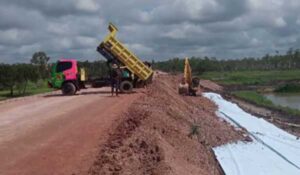
Geotextile for road soil stabilization
Geotextile technology offers an excellent solution because this material not only extends road life, but also lowers maintenance costs and reduces the need for periodic repairs. Its advantages are efficient soil reinforcement without extra earthworks, and a material composition that is environmentally friendly.
Composition and Characteristics of Non-Woven Geotextile
Non-woven geotextile is made from synthetic fibers processed by spunbond or needle-punching. This process produces a porous material with good tensile strength that resists a wide range of weather conditions and chemicals.
One of the main advantages of this geotextile is its separating property, which keeps different soil layers apart without mixing. It also has high tensile strength to carry loads without tearing or breaking easily. This combination of base materials provides resistance to microorganisms, chemicals, and UV rays.
The physical characteristics and specifications of non-woven geotextile must be carefully considered to match project requirements. For example, tensile strength must be sufficient to withstand traffic loads, while permeability must be high enough to ensure good drainage.
Installing Non-Woven Geotextile in Road Construction
Using non-woven geotextile in road construction is not just a matter of laying the material on the ground; it must follow a planned and correct process to deliver its full benefits. The choice of installation method also has a big impact on project success.
The installation process often includes soil preparation, measuring, folding and gluing, or direct placement. This work must be done carefully to make sure the geotextile is not damaged during installation.
Before installation, the subgrade must be compacted and cleared of anything that could interfere with geotextile placement, such as debris, roots, or sharp stones. The geotextile is then laid flat and tight so that it does not wrinkle or shift.
During installation, aids such as large cloths, construction staples, or other fasteners are usually used to keep the geotextile in place. A re-check must be carried out before soil or aggregate fill is placed on top. This is important to make sure the layer performs as designed.
Asphalt Rubber Technique
This technique is used because combining asphalt with rubber recycled from used tires improves the durability and flexibility of the asphalt. The method is especially beneficial because it uses waste materials that are no longer in use.
Smart Road Systems
This technology uses sensors embedded in the road to detect temperature, vehicle loads, and traffic conditions. The system helps manage traffic more effectively.
Concrete Pavement Technique
UHPC concrete, made from a special mix of materials such as micro steel fibers, has higher strength. Pavements using this material resist heavy loads, cracking, and abrasion.
Road Material Recycling
This technique builds new roads by recycling material from old roads using cold in-place recycling or hot recycling technology. The benefit of this method is lower road construction costs and reduced environmental impact.
Heated Roads
These roads have a heating system designed to melt snow and ice automatically, especially in regions with a winter season.
FAQ About Road Construction Types
What factors should be considered when choosing road construction types?
Choosing a road construction type should be based on traffic volume, soil conditions, budget, and long-term usage plans. Environmental and sustainability factors also matter because they affect maintenance costs and road life.
How can road life be extended based on the construction type used?
Regular maintenance and periodic inspections are essential to extend road life. Using high-quality materials and modern construction techniques can also improve road durability, making roads last longer with lower maintenance costs.
Are reinforced concrete roads always better than asphalt roads?
Not always. The choice between reinforced concrete and asphalt depends on specific needs and conditions. Concrete roads last longer and suit heavy traffic, while flexible asphalt is more economical and easier to repair.
How do geographic conditions affect the road construction type?
Geographic conditions are a key factor. Earthquake-prone areas or soft soil require soil reinforcement techniques and road types that can adapt, such as roads built with geotextile or reinforced concrete roads.
Do digital innovations affect road construction?
Absolutely. Digital technologies such as 3D modeling, sensors, and real-time data analysis help plan, supervise, and maintain roads more effectively and efficiently.
Conclusion
Road construction types play an important role in efficient infrastructure development. Choosing the right type for the needs and environmental conditions is a strategic step toward roads that are durable, safe, and economical. From strong concrete roads for heavy traffic to gravel roads for temporary needs, each type has its own advantages and challenges.
With advances in technology and innovation, future road construction will become ever more efficient and environmentally friendly. Through in-depth study and the application of modern technology, roads become not just physical infrastructure but also a foundation for regional progress.
Other Articles

Geotextile as a Vertical Garden
Geotextile Geotextile is a geosynthetic product made from polyester (PET) or polypropylene (PP) polymers. As we know, there are 2 types of geotextile: woven geotextile and non-woven geotextile. They differ in how they are made, and these differences in manufacturing also lead to different functions in use, including as a geotextile vertical garden. Geotextile Vertical […]

Geopipe Types and Functions
Geopipe is a pipe made from HDPE (High Density Polyethylene). It is round, ribbed (corrugated) and perforated. This article covers the main geopipe types and functions. The holes in the pipe wall allow water from outside the pipe to enter and be collected, then flow on to the outlet. Geopipe is commonly used for infiltration, […]