


Building an Artificial Pond with Geomembrane
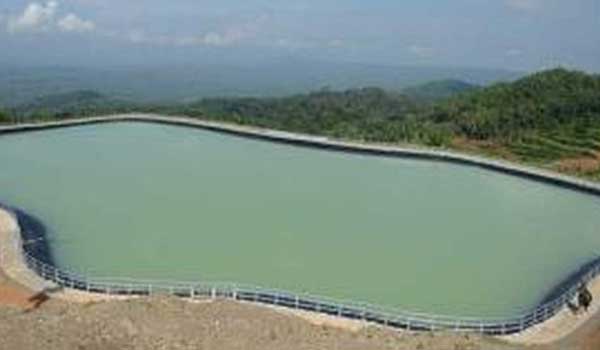
An artificial pond with geomembrane is an innovative solution in construction and recreation. Using geomembrane as the main liner offers significant advantages for building ponds that are durable, ecological and economical.
Introduction to Geomembrane and Its Role in Artificial Ponds

Geomembrane pond
Geomembrane is a plastic sheet made from synthetic materials such as PVC, HDPE, LDPE and others. It is specially designed as a waterproof liner, making it suitable for many construction applications, including artificial ponds. Today, geomembrane is increasingly popular because it withstands a wide range of environmental conditions, has a long service life and resists corrosion and mechanical damage.
In artificial pond construction, geomembrane acts as the main protective layer that keeps water from leaking into the ground. It brings many benefits, from savings in time and cost to environmental sustainability. Geomembrane also reduces the need for heavy building materials, resulting in faster and more efficient installation. Given these properties, geomembrane has become the first choice for modern, environmentally friendly ponds.
Using geomembrane in pond construction is not just a trend, but an innovation that brings the latest technology together with real needs. Installing a strong, durable and flexible waterproof layer allows engineers and developers to create resilient ponds, even in extreme environments. Overall, geomembrane has revolutionized artificial pond construction, offering a cleaner, faster and more efficient solution.
Advantages of Geomembrane for Artificial Ponds
An artificial pond with geomembrane offers advantages not found in traditional methods. These advantages are crucial to the success of a pond project in terms of cost, durability and long-term sustainability. Understanding them helps developers and clients make the right decision.
Besides its outstanding waterproofing, geomembrane also resists many chemicals commonly found around ponds, such as salts, acids and other pollutants. This keeps the protective layer intact and free from damage that could cause leaks. This is especially important for ponds used for commercial, industrial or recreational purposes.
Another advantage is its high flexibility and ease of installation. Geomembrane can be produced in large sheets, making installation faster and more efficient. Compared with traditional methods that require concrete or other time-consuming materials, geomembrane can significantly shorten construction time. This naturally leads to cost savings and faster project completion.
Environmentally, geomembrane also has a positive impact. The material can be recycled and does not produce hazardous waste during manufacture or use. Geomembrane also reduces the need for soil and other heavy building materials, making construction more environmentally friendly. By adopting this technology, we not only get a high-quality pond but also support environmental conservation.
How to Build an Artificial Pond with Geomembrane
Building an artificial pond with geomembrane requires careful planning and proper execution for the best results. The work involves several important steps, from design planning and site preparation to accurate, safe installation of the geomembrane liner. Material selection, safety standards and technical supervision determine the success of the whole project.
Before starting, a detailed site survey is needed to assess soil and environmental conditions. This analysis makes it easier to decide on the desired size, shape and depth of the pond. A stable, level subgrade is then prepared so the geomembrane can be laid perfectly, without slipping or being damaged by stones or uneven ground beneath it.
The next step is installing the geomembrane, which involves measuring and cutting it to the shape of the pond. Technicians must make sure the liner is laid slowly and neatly, without wrinkles or folds that could reduce its watertightness. Geomembrane sheets are joined using appropriate techniques such as hot wedge welding or extrusion welding, producing strong, durable seams. A thorough final inspection is carried out before the pond is filled with water.
Once installation is complete, the pond is filled slowly while every part of the geomembrane liner is monitored. It is important to make sure there are no leaks or damage during filling. The liner then becomes the main barrier that keeps the pond watertight and safe for long-term use. The strength and durability of the geomembrane are also tested to ensure maximum performance in operation.
Maintenance and Long-Term Benefits of Geomembrane-Lined Ponds
Geomembrane pond
Routine maintenance and regular inspections cannot be overlooked if a geomembrane pond is to last and perform well. Despite its high durability, the liner can still be damaged by external factors such as extreme temperatures, abrasion and exposure to certain chemicals. Understanding the right maintenance procedures is therefore key to keeping the pond durable and attractive.
The main maintenance task is regular visual inspection to detect damage such as tears, abrasions or unusual folds. If damage is found, it must be repaired promptly with the appropriate method so it does not spread and compromise the whole liner. Additional protection such as anti-aging or UV-resistant coatings is also recommended to minimize damage from sunlight and other environmental factors.
The long-term benefits of using geomembrane as a pond liner are substantial. Besides lowering maintenance costs, geomembrane helps maintain water quality and environmental safety. A leak-free pond reduces excessive water use and prevents contamination of the soil and groundwater around it. Economically, this means significant savings in resources and waste management. Ecologically, such ponds also help preserve local biodiversity and ecosystems.
This innovation shows that geomembrane is not just a practical solution, but also part of an effort to protect the environment and extend the life of artificial ponds effectively and efficiently.
Make sure you use high-quality geomembrane products from Petra Nusa Elshada so your artificial pond delivers good results. Petra Nusa Elshada offers a wide range of high-quality geosynthetic materials at affordable prices. Contact Petra Nusa Elshada today for consultation and orders.
Conclusion

Geomembrane pond
An artificial pond with geomembrane is an innovation that brings many benefits in efficiency, cost and technical performance. With its durability, watertightness and relatively fast installation, geomembrane has become the first choice for modern ponds, whether for recreation, industry or environmental conservation. The material not only provides a practical solution, but also supports environmentally friendly construction principles.
Using geomembrane in pond construction allows long-term cost savings and easier maintenance. Even so, it is important to follow routine maintenance procedures and close supervision so the pond stays in optimal condition for years. With this approach, we can enjoy the full benefits of this technology while helping to protect existing ecosystems.
As technology and innovation in construction materials continue to advance, geomembrane will become even more popular and refined for artificial ponds. In the future, new materials and techniques are likely to emerge that further improve the durability and efficiency of geomembrane. As users and developers, we need to keep up with these developments to make use of the best innovations for high-quality pond projects that are safe for the environment.
Other Articles

HDPE Pond Liner for Salt, Shrimp and Fish Ponds
HDPE Pond Liner An HDPE pond liner, also known as a geomembrane pond liner, is a material commonly used by aquaculture pond operators in Indonesia. Geomembrane pond liners are generally made of HDPE geomembrane with thicknesses from 0.3 mm to 0.5 mm. HDPE geomembrane is chosen because it has good resistance to weather, sunlight and […]

Handling POME Waste: Smart Geosynthetic & Biogas Solutions
Did you know, Petra friends, that the palm oil industry is one of the largest pillars of Indonesia’s economy? But behind this green gold lies one big challenge that often gives mill managers a headache: Palm Oil Mill Effluent, commonly known as POME. If you work in the palm oil industry, you know very well […]

Advantages of HDPE Geomembrane Ponds vs Plastic Tarpaulin
Hello, pond farmers and aquaculture entrepreneurs! If you are planning to build a new pond or renovate an existing one, you have probably found yourself torn between two options: HDPE Geomembrane or Plastic Tarpaulin. At first glance, the two look similar because both line the ground to stop water from seeping away. But when it […]