


HDPE Geomembrane Lifespan in a Waste Pond: How Long?
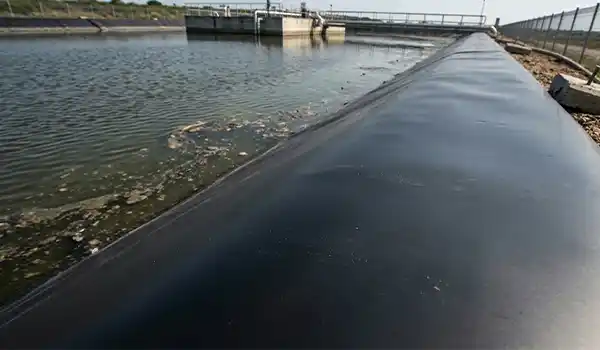
Managing a waste pond is not something to take lightly. If you are designing or managing a waste treatment system, you surely know how important it is to prevent toxic substances from leaking and damaging the surrounding environment. This is where HDPE (High-Density Polyethylene) geomembrane provides the primary protection.
However, one strategic question often comes to the minds of contractors and project owners: how long does HDPE geomembrane actually last in a waste pond? Is this material truly worth the substantial initial investment? Let’s examine the facts thoroughly in this article!
Why Choose HDPE Geomembrane?
Before discussing figures and service life, you first need to understand why HDPE is the preferred material for waste pond liners. HDPE geomembrane is made from high-quality polymer resin with an exceptionally dense molecular structure. This density gives it outstanding impermeability.
Unlike traditional liners such as clay or concrete, which are prone to cracking over time, HDPE is exceptionally tough yet remains flexible enough to withstand ground movement. It is also resistant to a wide range of harsh chemicals. Given these advantages, it is no surprise that HDPE has become the gold standard in the wastewater treatment industry.
Factors That Determine Geomembrane Service Life
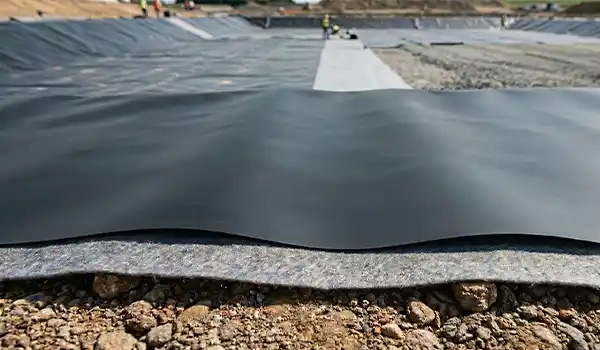
Keep in mind that geomembrane service life is not a fixed number. Many field variables can make it longer or much shorter than expected. Here are some of the main factors:
- Base Material Quality
Not all geomembranes are created equal. HDPE geomembrane durability depends heavily on the purity of the resin used. Material made from 100% virgin resin without recycled content will undoubtedly last much longer. Antioxidants in its composition are also crucial for preventing material degradation. - UV Exposure & Temperature
These are the greatest enemies of plastic liners. If geomembrane is left exposed to intense sunlight every day, ultraviolet rays slowly break down its molecular bonds. Extreme climate temperatures also accelerate oxidation. Waste ponds containing hot liquid (above 60°C) shorten geomembrane service life more quickly than ponds at normal temperatures. - Type of Waste Contained
A waste pond for a food-processing facility faces different challenges from a highly acidic (low-pH) mine pond or one filled with corrosive solvents. Although HDPE is renowned for its exceptional toughness, continuous exposure to aggressive chemicals for decades will ultimately place stress on the liner’s material structure. - Welding Installation Quality
No matter how expensive the material, it is useless if installed carelessly. The weakest points in a geomembrane system are usually its seams. Uneven welding can cause premature leaks or stress cracking. Installation must therefore be performed by a professional team using automatic welding machines.
How Many Years Does It Last?
Based on research by leading industry standards organizations such as the Geosynthetic Institute (GRI) and global field testing, geomembrane service life can be divided into two main scenarios:
- Exposed Conditions: When used as a pond liner in direct, continuous contact with weather and UV rays, HDPE geomembrane generally has an effective service life of 20 to 36 years.
- Covered Conditions (Buried): When geomembrane is buried or covered with soil, deep water or another protective layer that shields it from direct sunlight, its service life can increase dramatically. Many studies show that under covered conditions, HDPE geomembrane can last 50 years, 100 years or, by some estimates, more than 400 years in certain climates!
These figures demonstrate that installing geomembrane in a waste pond is a highly beneficial long-term decision, provided it is maintained correctly.
How to Extend Geomembrane Service Life
Want to ensure that your waste pond liner lasts as long as possible? Apply these simple measures. First, make sure you select a thickness that suits the waste specifications. For an industrial waste pond, a minimum thickness of 1.5 mm to 2.0 mm is highly recommended for extra puncture resistance.
Second, wherever possible, design the pond so the geomembrane is covered or at least subjected to minimal excessive direct sunlight. Finally, conduct routine visual inspections. If you see any signs of minor wear around the pond edges, repair them immediately before the damage spreads.
The Best Geomembrane Solution
Choosing proven material is the key to the safety of your waste treatment project. If you are looking for geomembrane with guaranteed quality and durability, PT Petra Nusa Elshada is the right partner. We provide high-quality geomembrane solutions specifically designed to withstand even the harshest operating conditions, delivering comprehensive protection and minimizing future operational risks.
Make sure your project uses the best liner specifications. Visit our product catalog and discuss your project requirements with our team!
Need a Consultation for Your Requirements?
Feel free to consult the Petra Nusa Elshada team. We supply a wide range of high-quality geosynthetics ready to ship throughout Indonesia. Let’s discuss your project needs now!
Check our catalog: Click here
Chat on WhatsApp Now: Click here
Remember Geosynthetics, Remember Petra!
Other Articles
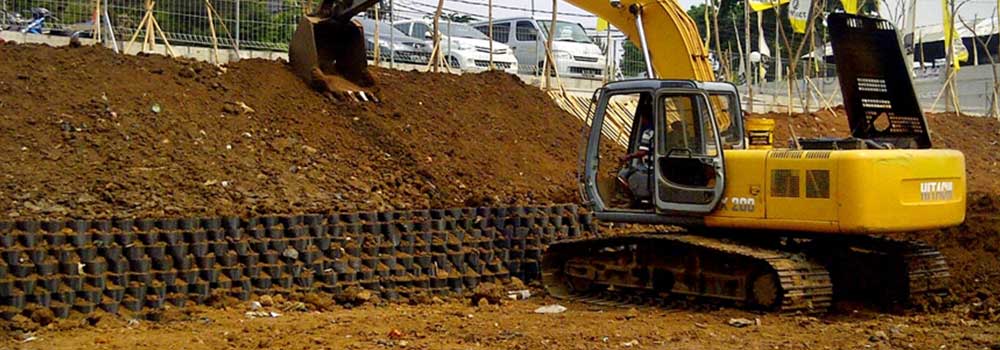
Comparing Geocell Infill Materials
When using geosynthetics, especially geocell, the main focus should be the infill material in each cell. The infill must be evenly distributed so that the results are effective and do not fluctuate. Besides even distribution, attention should also be paid to the types of geocell infill materials that can be used. Geocell infill can be […]
HDPE Pipe: Leak-Proof Clean Water Pipe Solution
Have you ever been annoyed when the water bill at your home or project suddenly skyrocketed? After checking, the problem turns out to be a classic one: a pipe leaked or burst because it couldn’t withstand the water pressure. Piping problems are often taken lightly, yet their impact can be a real headache. If you […]