Benefits of Geotextile for Construction – In modern construction, using materials that are environmentally friendly and efficient is becoming increasingly important. One material that has proven to offer many benefits is geotextile. Geotextile is a geosynthetic material made from synthetic fibers such as polyester or polypropylene, used to reinforce soil, control erosion and improve the stability of many kinds of structures. In this article, we discuss the benefits of geotextile in construction and its positive impact on the environment.
Petrane, as a leading geotextile supplier in Indonesia, provides many types of geotextile for a wide range of construction and environmental applications. With years of experience in the industry, Petrane has become a trusted partner for many large projects, from highways and railways to waste management and environmental restoration.
Benefits of Geotextile for Construction and the Environment
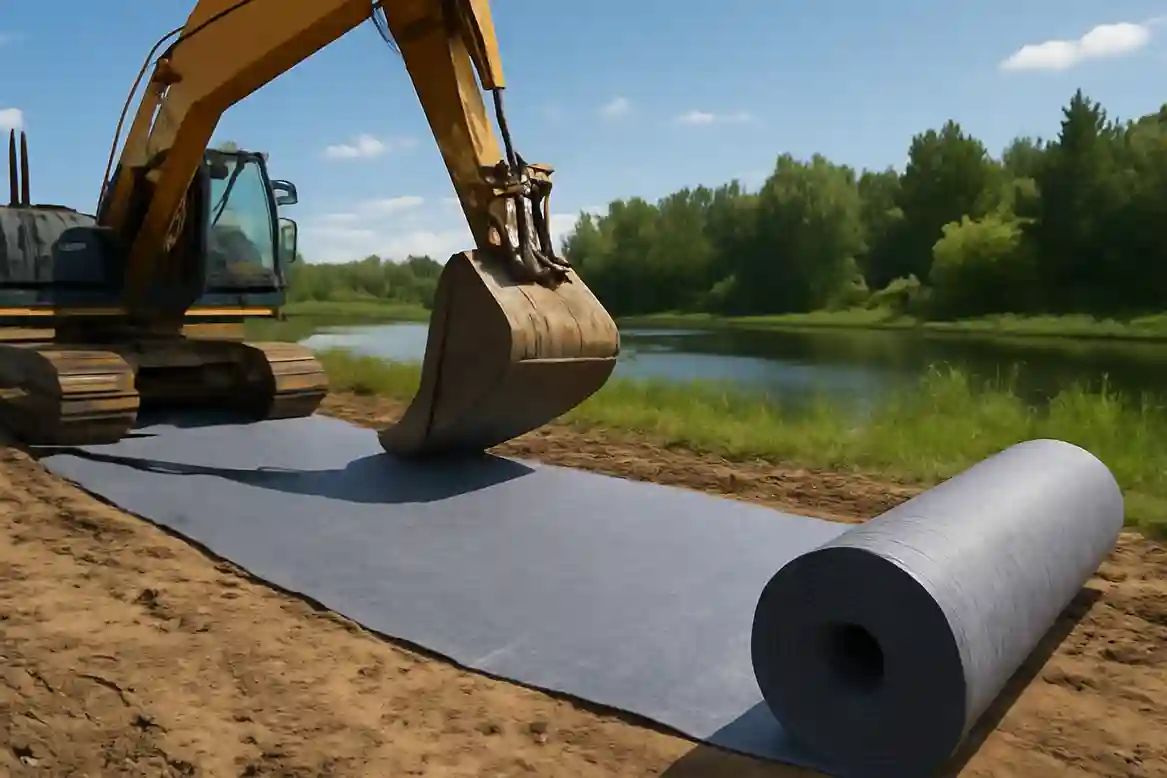
Geotextile is a geosynthetic material made from synthetic fibers that are either woven or formed into a non-woven sheet. Its functions are very diverse, from separation and reinforcement to filtration and soil protection. Geotextile works to improve the quality of the soil structure, increase the stability of the subgrade and control the flow of water and soil particles. It is widely used in construction projects involving soil, such as road construction, drainage channels and embankment construction.
When used in construction, geotextile helps improve the performance and durability of the soil structure by reducing reliance on materials such as stone or sand, which often require more intensive excavation and haulage. As a result, using geotextile not only increases project stability but also makes the construction process more efficient and environmentally friendly.
Functions of Geotextile in Construction
Geotextile performs several critical functions in construction that support the durability and efficiency of a project. One of its main functions is as a separator between different soil layers. When building roads or bridges, weaker soil can mix with stronger material. Geotextile keeps these layers apart, preventing the soils from mixing and keeping the structure stable.
Geotextile is also used for filtration, filtering the water that flows through the soil layers. This prevents fine soil particles from entering the drainage system or other structures, where they could cause clogging. Non-woven geotextile, for example, is very effective for this filtration function. The material lets water flow freely while still retaining the small particles that can damage a drainage system.
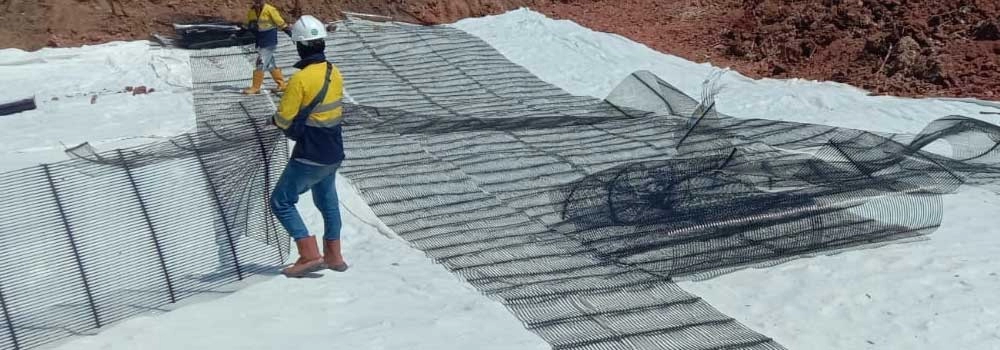
Geotextile is also very useful for soil reinforcement. In many construction projects on clay or soft soil, geotextile is used to strengthen the soil layer so that it can carry structural loads. Woven geotextile, with its high tensile strength, is often used for this purpose, especially in the construction of highways, toll roads and railways.
Benefits of Geotextile for the Environment
Beyond its direct benefits in construction, geotextile also has a major positive impact on the environment. One of its biggest benefits is its role in controlling erosion. Soil erosion is a serious problem in construction projects, especially on steep terrain or near bodies of water. Geotextile stabilizes the soil and prevents the scouring caused by rain or wind.
Geotextile also helps with stormwater management. In parks, green roofs and rainwater infiltration systems, geotextile is used to regulate water flow and make sure water can soak into the ground efficiently. This is very useful for preventing floods and increasing groundwater recharge, which can improve the water quality in the area.
Using geotextile in reclamation projects and land restoration also brings great benefits to the environment. In coastal reclamation or the rehabilitation of former mining land, geotextile is used to stabilize the soil and prevent further erosion, while supporting the growth of vegetation that will restore the ecosystem in the area.
Types of Geotextile and Their Applications
Several types of geotextile can be chosen for different construction and environmental applications. They include non-woven geotextile, woven geotextile and geotextile tube, each with its own advantages depending on the specific needs of the project.
Non-Woven Geotextile is made from synthetic fibers that are not woven. This type is very effective for filtration and separation and is used in many drainage applications. Non-woven geotextile is often used where efficient water filtration is needed, such as drainage channels or erosion control on slopes.
Woven Geotextile is made from tightly woven yarns, creating a stronger material that can withstand high loads. This type is usually used for soil reinforcement and soil layer separation, for example in the construction of toll roads and railways.
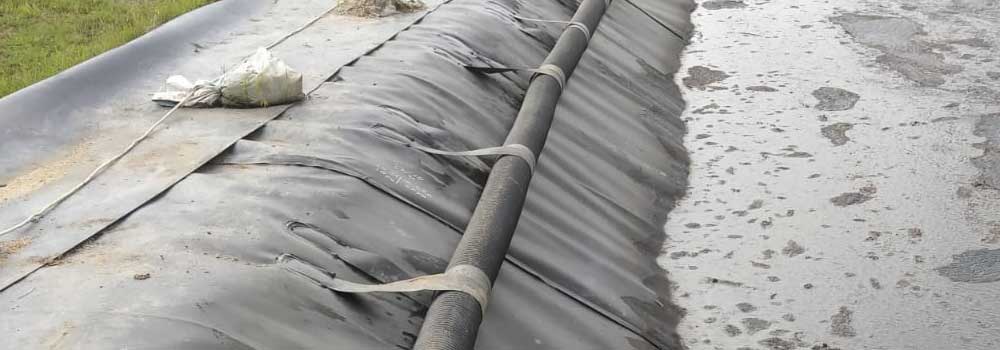
Geotextile Tube is a large tube-shaped geotextile filled with sand or other material. This type is usually used for coastal protection, breakwaters and embankment construction in coastal areas prone to erosion. Geotextile tubes help prevent structural damage on coasts or rivers caused by large waves or strong currents.
Geotextile for Erosion Control and Soil Stabilization
Geotextile plays a very important role in erosion control and soil stabilization. On sites with steep slopes, such as highways or mining areas, geotextile is used to prevent erosion that can damage the soil structure. With geotextile, soil stability can be improved and damage caused by rain or wind can be minimized.
Petrane supplies many types of geotextile that can be matched to your erosion control needs. With the right geotextile, you can make sure the soil structure stays firm and is not prone to landslides, even in erosion-prone areas.
Benefits of Geotextile in Green Infrastructure
Besides its use in conventional construction projects, geotextile also plays a major role in green infrastructure hijau. In green roofs, city parks and water infiltration projects, geotextile is used to support water absorption and make sure rainwater does not cause flooding. Geotextile helps keep the soil moist and speeds up plant growth, while reducing excess runoff into the drainage system.
Geotextile can also be used in land reclamation or beach restoration projects, where soil stabilization and erosion control are critical. In these applications, geotextile supports the soil structure while allowing vegetation to grow, which in turn improves the quality of the ecosystem and supports biodiversity.
Why Choose Petrane for Your Geotextile?
Petrane is a leading geotextile provider in Indonesia, offering many types of geotextile that can be tailored to your project. With years of experience in the geosynthetics industry, we know how to choose the right product to achieve the best results. We supply non-woven geotextile, woven and tube types for a wide range of applications, from soil reinforcement, separation and drainage to erosion control.
Petrane is committed to providing high-quality geotextile products that meet international standards. We also offer free technical consultation to make sure you choose the right material for your project. With fast and professional delivery, you can rely on us to meet your geosynthetic material needs anywhere in Indonesia.
Geotextile Ordering Information
If you need quality geotextile for a construction or environmental project, Petrane is the best choice. We supply many types of geotextile, including non-woven geotextile, woven and tube, which can be matched to your specific needs. We also provide technical consultation to help you determine the type of geotextile best suited to your site conditions.
For orders, further questions or technical consultation, please contact our team via WhatsApp at +62 821 2383 4360. Our team is ready to provide complete information and competitive quotations, and to ensure on-time delivery to your project site. With Petrane, build your project with the best geosynthetic materials on the market for more efficient, environmentally friendly and sustainable results.