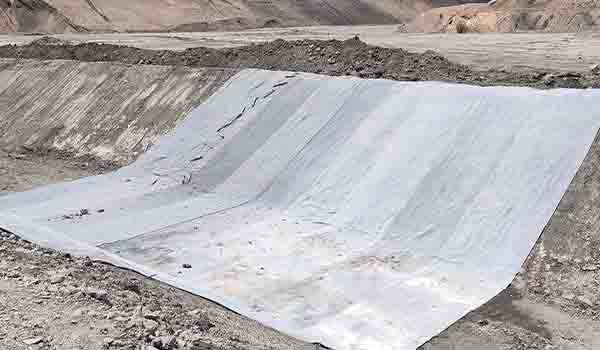
Geogrid Selection: Key Factors to Consider
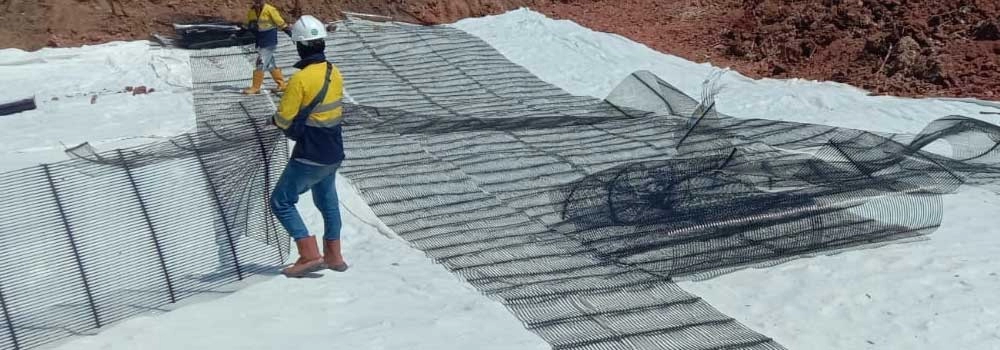
Geogrid selection involves several factors, each contributing to project success. The following are key considerations:

Reinforcement and Stabilization
Geogrid provides effective reinforcement and stabilization. Consider the project loads, whether for soil reinforcement, slope stabilization or retaining walls. Selecting a geogrid with high tensile strength and adequate stiffness is essential for long-term stability and durability.

Material Properties
Geogrid is available in various materials, including polyester, polypropylene and HDPE. Consider chemical resistance, UV resistance and environmental sustainability, all of which affect the structure and its surroundings.
Related: What Is Type 1 Geogrid?
Geogrid Aperture Size and Shape
Geogrid aperture size and geometry play an important role in securing aggregate interlock. Choosing a suitable aperture and geometry increases confinement and improves load distribution. Good interaction between the geogrid and aggregate increases bearing capacity, reduces localized settlement and prevents soil erosion.
Installation and Cost Efficiency
Geogrid is easy to install by unrolling and anchoring, saving labor time and cost. Also consider long-term performance: selecting a high-quality product can reduce maintenance and repair costs.
Environmental Considerations
Selecting an environmentally responsible geogrid supports sustainability. Consider whether harmful chemicals are used in production and whether the product has a low carbon footprint when choosing geogrid for better infrastructure and environmental outcomes.
Related: Geocell for Building Embankments on Soft Soil
Manufacturer Reputation and Support
Find and select geogrid from a manufacturer known for product quality and good customer support. A reliable manufacturer will provide technical guidance, design support and warranty coverage.
Other Articles
HDPE Corrugated Pipe Joints: How to Connect Them
Here is how to make HDPE corrugated pipe joints for each type of corrugated pipe: Single wall corrugated pipe has a corrugated inner profile that follows the profile of the outer wall. Single wall pipe is generally used for infiltration. Single wall HDPE corrugated pipe can be joined in 2 ways:1. The pipes are joined […]
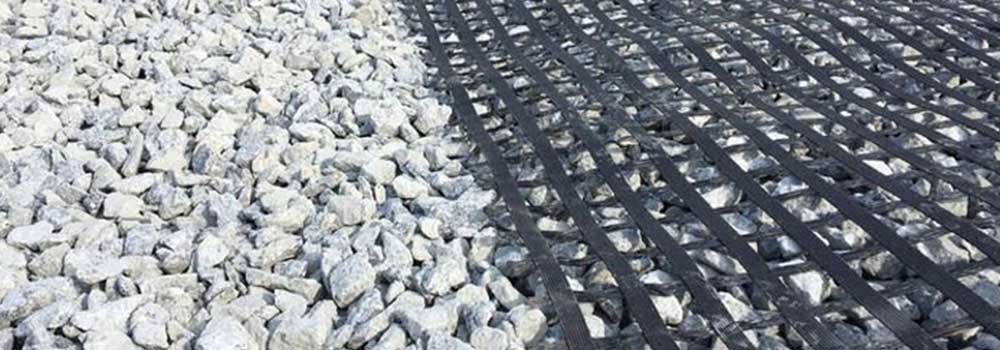
Geogrid-Reinforced Pavement Design
In geogrid reinforced pavement design, Geogrid in road construction with an aggregate surface can support two pavement applications: mechanical subgrade stabilization and aggregate base reinforcement. The application is determined beforehand by the subgrade strength, and the type of geosynthetic recommended for building pavements over very soft subgrade conditions usually serves to stabilize it mechanically. The […]