


Biogas from Palm Oil Waste: Clean Renewable Energy

Biogas from palm oil waste is one of the newest and increasingly popular innovations for using waste from the palm oil industry. Through proper waste processing, palm oil waste biogas can become an environmentally friendly, economical alternative energy source.
Palm oil waste biogas is produced by anaerobically processing palm oil waste such as empty fruit bunches, shells, and other biomass. By using this waste, the palm oil industry not only reduces environmental impacts but also generates energy for a wide range of industrial and community needs.
Palm Oil Waste as an Energy Source
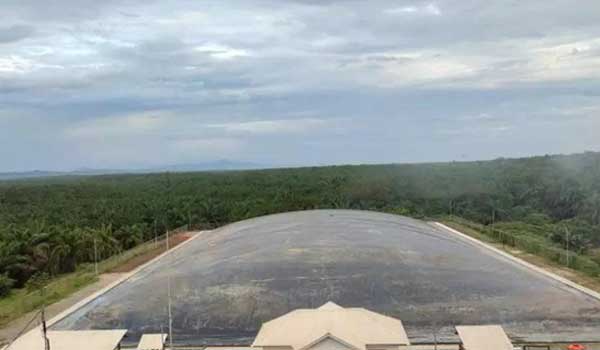
Geomembrane biogas
Palm oil waste has a high organic content, making it highly suitable as a biogas feedstock. Anaerobic processing in a biodigester converts this waste into methane that can be used directly as fuel. Palm oil waste is also relatively abundant and continuously available, giving biogas development from this waste enormous potential.
Biogas energy also has advantages over other conventional energy sources. Palm oil waste biogas offers a clean energy solution without high carbon emissions, supporting efforts to reduce national and global carbon footprints. Biogas-processing infrastructure is also developing, creating major opportunities for smallholders and large industries to participate in developing green energy and a green economy.
Renewable Energy from Palm Oil Waste
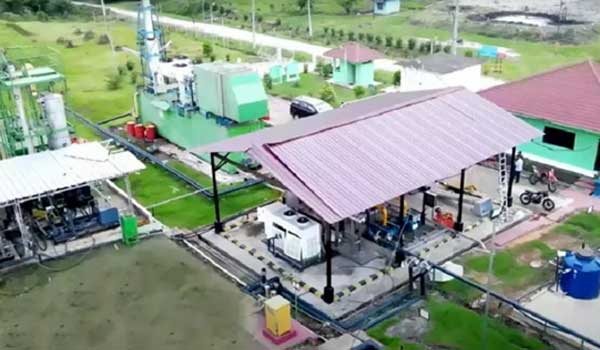
Geomembrane biogas
The palm oil industry is one of the main sectors of Indonesia’s economy, generating substantial foreign exchange and creating jobs. However, the industry often faces challenges in managing waste efficiently. Palm oil waste such as empty fruit bunches, shells, and other by-products of oil extraction is frequently poorly managed.
Behind this problem, however, palm oil waste has great potential as a renewable energy source. Through biogas processing, this waste can be converted into a clean, continuously renewable energy source. This potential can not only reduce dependence on fossil energy but also help cut carbon emissions and environmental pollution.
Optimal palm oil waste management can improve industrial efficiency and deliver significant economic benefits. When palm oil waste is processed into biogas, it is no longer an environmental problem but a resource that adds value. As the largest palm oil producer, Indonesia has a major opportunity to develop this waste-processing technology widely and evenly.
Processing Palm Oil Waste into Clean Energy
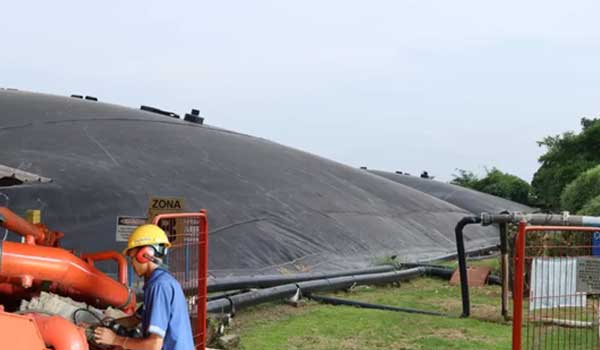
Geomembrane biogas
Palm oil waste biogas production generally includes waste collection, pretreatment, and anaerobic fermentation. Each stage plays an important role in ensuring the process runs optimally and produces high-quality biogas. Appropriate processing technology maximizes the efficiency and capacity of biogas production from palm oil waste.
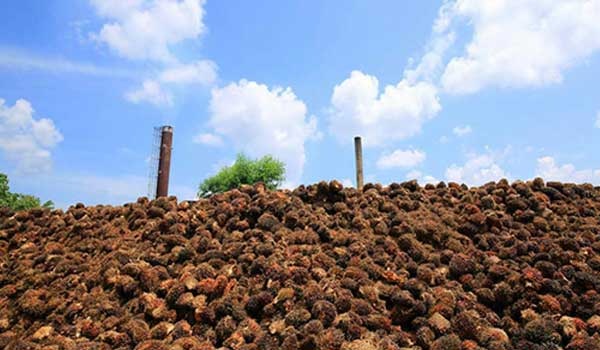
A key stage is collecting waste such as empty fruit bunches, shells, and other biomass. This waste must be collected regularly so subsequent processes run smoothly. Pretreatment such as shredding and mixing is also performed to improve fermentation performance.
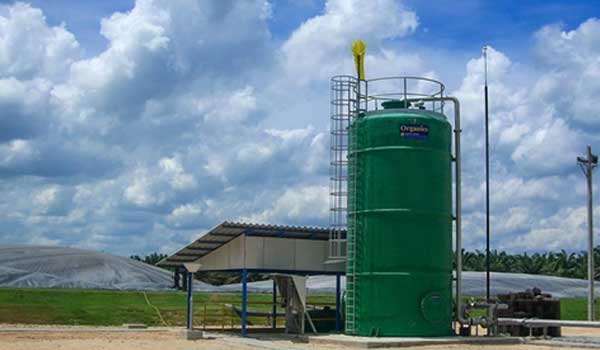
The waste is then fed into a biodigester, the core of biogas production. Through anaerobic fermentation in the biodigester, anaerobic bacteria produce methane and carbon dioxide from organic waste. The resulting biogas is then distributed for energy use, while the fermentation sludge can be used as organic fertilizer.
Geomembrane biogas
Biodigester technology used for palm oil waste must handle large waste volumes and ensure efficient fermentation. Several modern innovations enable this processing with high efficiency and relatively low operating costs.
Commonly used biodigesters include fixed-dome, floating-dome, and plug-flow digesters. Each has advantages and disadvantages depending on the waste type and desired production capacity. Choosing the right technology is essential for successful operation and sustainable development of palm oil waste biogas in the field.
Temperature, pH, and the substrate used must also be closely monitored so fermentation proceeds optimally and the gas produced is of high quality. These adjustments require monitoring and control systems based on current technology so biogas production can be maximized.
Using Geomembranes for Biogas Covered Lagoons
Geomembranes play a vital role in biogas covered lagoons, supporting the efficiency and performance of processes that convert organic waste into alternative energy. This technology has become a leading solution in the waste-processing industry, especially for biogas production. With the right geomembrane, biogas containment and processing can be safer, more efficient, and more environmentally friendly.
Using a geomembrane in a biogas covered lagoon not only improves the performance of the biogas system itself but also provides major economic and ecological benefits. This makes the geomembrane a key component for sustainable, environmentally responsible organic waste management. To understand this better, let us examine the role and benefits of geomembranes in biogas covered lagoons in depth.
Functions of Geomembranes in Biogas Covered Lagoons
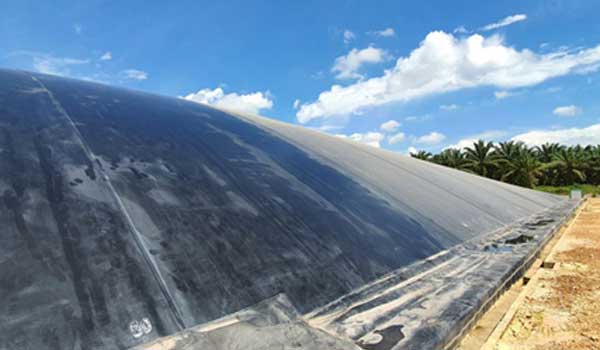
Geomembrane biogas
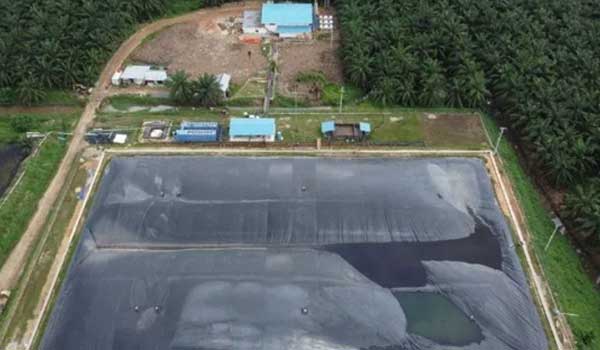
A geomembrane is a layer of synthetic material used as a cover or barrier in many construction and environmental applications. In a biogas covered lagoon, the geomembrane acts as a cover that retains gas and prevents leakage and the entry of external contaminants.
Using a geomembrane as a biogas lagoon cover has key advantages. The material captures and manages methane emissions produced by fermenting organic waste in the lagoon. Geomembranes also reinforce the lagoon structure, making it more resistant to pressure, extreme temperatures, and other environmental factors. As a result, the biogas system becomes more efficient and protected from leaks that could damage the structure and waste energy.
Beyond its main function as a barrier, a geomembrane is also easy to install and maintain. It is usually produced in various thicknesses and materials to meet specific site requirements. These advantages make geomembranes ideal for biogas covered lagoons, especially in renewable energy development and waste management.
Geomembrane biogas
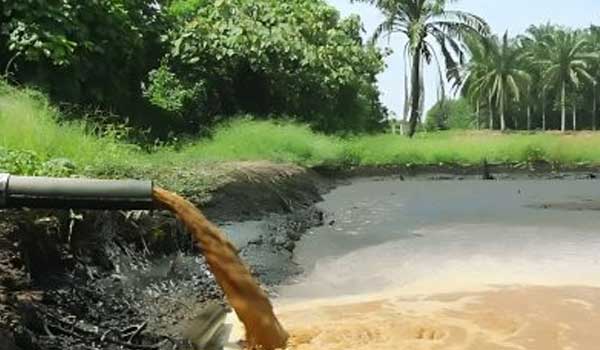
Processing palm oil waste into biogas is not only about energy use; it also plays an important role in reducing environmental pollution. Poorly handled waste is often a source of soil, water, and air pollution. With biogas-processing technology, this waste becomes non-toxic and odorless, helping protect surrounding ecosystems.
Besides reducing pollution, palm oil waste biogas also produces sludge that is useful as organic fertilizer. This fertilizer is an excellent organic input for agriculture and helps improve soil fertility. When managed properly, palm oil waste biogas can be a complete solution for the sustainability of the palm oil industry and the conservation of its surrounding environment.
Geomembrane Types for Biogas Covered Lagoons
Choosing the right geomembrane material largely determines success in the field. Commonly used materials include HDPE (High-Density Polyethylene), PVC (Polyvinyl Chloride), and ETFE (Ethylene Tetrafluoroethylene). Each material has unique characteristics suited to environmental conditions and the technical requirements of the biogas system. The geomembrane type discussed here is HDPE.
HDPE is the most widely used material because of its mechanical strength and chemical resistance. It is highly suitable for biogas covered lagoons because it withstands gas pressure and extreme weather well. HDPE is also highly durable and requires relatively little maintenance. Another advantage is faster, more efficient installation, which can lower overall project costs.
Make sure you use only high-quality geomembrane products from Petra Nusa Elshada so your project delivers good results. Petra Nusa Elshada offers a range of high-quality geosynthetic materials at affordable prices. Contact Petra Nusa Elshada today for consultation and orders.
Challenges and Opportunities for Palm Oil Waste Biogas in Indonesia
Geomembrane biogas
Despite its great potential, developing palm oil waste biogas in Indonesia faces various challenges. Technological, economic, social, and regulatory factors all affect the program’s success. However, the major opportunity to achieve a green economy and national energy self-sufficiency is the main motivation for continued development.
A key challenge is the limited availability of technology suited to small and medium scales, along with relatively high initial investment costs. Not all farmers and industries can adopt biodigester technology and infrastructure independently without support from the government or financial institutions.
Government support is key to accelerating the development of palm oil waste biogas technology. Supportive policies, start-up capital, and training for communities and industry players so they understand the benefits and how to manage waste efficiently are also important factors.
Economic and Environmental Opportunities from Palm Oil Biogas
Geomembrane biogas
Developing palm oil waste biogas opens broad economic opportunities, from creating new jobs to adding value to waste products. The biogas industry can reduce dependence on fossil fuels and support greenhouse gas emission reduction targets.
At the community level, converting waste into biogas can provide direct benefits in the form of electricity, vehicle fuel, and high-quality organic fertilizer. This will improve the living standards of rural communities that depend on the palm oil industry and agriculture.
These opportunities are also supported by Indonesian government policies that increasingly promote renewable energy and environmentally friendly waste management. When integrated with major development programs and green industry, palm oil waste biogas can become a model for a clean national energy transition.
Turning Waste into Valuable Organic Fertilizer
During anaerobic fermentation, a residue called digestate is formed. Digestate contains important nutrients that are highly beneficial as natural organic fertilizer. Using digestate as fertilizer not only reduces the need for expensive, hazardous chemical fertilizers but also improves soil fertility ecologically.
Organic fertilizer from palm oil waste is highly effective at improving fertility and maintaining the balance of soil ecosystems. It not only supplies complete nutrients but also improves soil structure so plants grow healthier and more productively.
Technology and Infrastructure Challenges
Geomembrane biogas
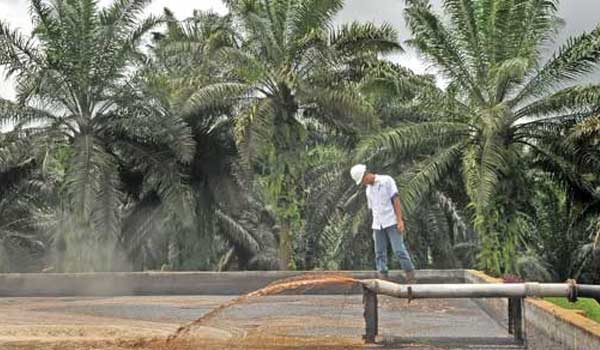
A major obstacle is that technology and infrastructure readiness is uneven across palm plantation areas. Many regions still lack biodigester facilities and technical knowledge for optimally converting waste into biogas.
There are also challenges related to operating standards, safety, and managing the sludge produced by fermentation. Continuous training and technical assistance are needed so farmers and industry players can manage these systems independently and efficiently.
Technological innovation and increased biodigester production capacity must be intensified to lower operating costs and optimize results. By expanding this infrastructure evenly, palm oil waste biogas development is expected to deliver maximum economic and environmental benefits.
Processing palm oil waste with geotextile tubes offers various benefits, from reducing water and soil pollution to turning waste into high-value products. Traditional palm oil waste management often causes problems such as groundwater and river pollution, unpleasant odors, and health risks for nearby communities. These methods usually cannot handle large waste volumes effectively, so alternative solutions are needed.
Traditional waste processing also requires fairly high operating costs and takes a long time. Many palm oil companies have therefore sought innovations that can accelerate processing and reduce costs.
Palm Oil Waste Biogas FAQs
What is palm oil waste biogas?
Palm oil waste biogas is energy produced by processing palm oil industry waste through anaerobic fermentation, which generates methane for use as fuel.
How is biogas produced from palm oil waste?
The process includes waste collection, pretreatment, and fermentation in a biodigester. The resulting biogas is used as an energy source, while the sludge is used as organic fertilizer.
What are the main benefits of palm oil waste biogas?
The main benefits are reducing environmental pollution, providing a renewable energy source, and adding economic value to palm oil waste.
What are the main challenges in developing palm oil waste biogas?
The biggest challenges include investment costs, uneven access to technology, and a lack of supportive regulations and incentives for this energy source.
What are the prospects for palm oil waste biogas in Indonesia?
The prospects are very bright, supported by government policy, the large volume of palm oil waste, and the need for clean energy and sustainable waste-management solutions.
Conclusion
Geomembrane biogas
Converting palm oil waste into biogas offers a major opportunity to address industrial waste problems while supporting Indonesia’s transition to clean, sustainable energy. Through technological innovation and adequate regulatory support, the economic and environmental potential of palm oil waste biogas can be fully optimized. As one of the world’s largest palm oil producers, Indonesia has a major opportunity to become a leading player in this renewable energy sector, supporting green development and a circular economy in the future.
Other Articles

Coastal Erosion: Dangers and How to Prevent It
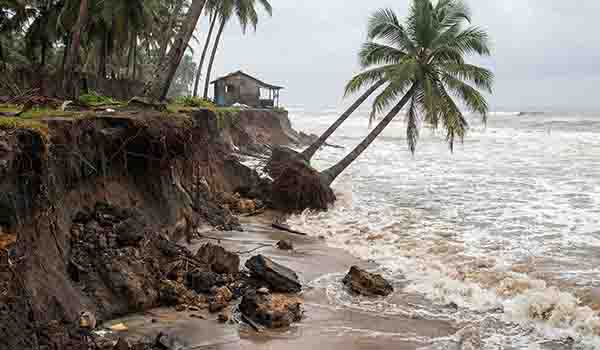
Hello, Petra friends! Have you ever noticed the shoreline in your area retreating day by day? Or perhaps you have seen seaside buildings that used to be far from the water’s edge now being eaten away by waves? This phenomenon is not just an ordinary sight, but a real sign of coastal erosion. For those […]
