


What Is Cocomesh? Benefits, Definition and Uses

A Complete Guide to This Remarkable Natural Material
Cocomesh, also known as “coconut netting,” is a natural material that is increasingly popular in many industries. Made from carefully processed coconut fiber, cocomesh is strong and environmentally friendly. In this article, we provide a complete guide to cocomesh benefits and uses, including its definition and how it is applied in different industries.

What Is Cocomesh?
Cocomesh is a net or fabric made from natural coconut fiber. The fiber is extracted from coconut husks through careful processing. Cocomesh is an attractive alternative to synthetic or petroleum-based materials, because it is strong and environmentally friendly.
Cocomesh Benefits
- Environmentally Friendly: Cocomesh is made from natural materials, which makes it an eco-friendly choice. Coconut fiber is quickly renewable and its production requires no hazardous chemicals.
- Sustainability: Coconut palms are an abundant resource, and using coconut fiber in cocomesh puts to use agricultural waste that was previously underused.
- Strength and Durability: Cocomesh is strong and resistant to pressure, which makes it suitable for many applications, from construction to agriculture.
- Biodegradable: One advantage of cocomesh is that it breaks down naturally. When it is no longer needed, cocomesh decomposes quickly and leaves no pollution in the environment.

Read also: functions and benefits of geobags for slope reinforcement
Uses of Cocomesh in Different Industries
- Erosion Control: Cocomesh is often used to control soil erosion. This coconut netting helps maintain soil structure, prevents erosion and promotes vegetation growth.
- Horticulture and Agriculture: In agriculture, cocomesh can be used as a growing medium in nurseries in place of plastic pots. It can also protect plants from pests and help retain soil moisture.
- Construction Industry: Cocomesh is used in construction to reinforce concrete and give additional stability to building structures, which helps reduce the use of metal and synthetic materials.
- Fisheries: Cocomesh can be used as environmentally friendly fishing nets. Its durability and resistance to rapid decay make it an attractive alternative to traditional synthetic fishing nets.
Conclusion
Cocomesh is an attractive natural material with many benefits and uses across industries. Its eco-friendliness, strength and natural biodegradability make cocomesh an attractive replacement for synthetic materials in many applications. With advances in how cocomesh is used and processed, this material is expected to remain a popular, sustainable alternative in the future.
Other Articles
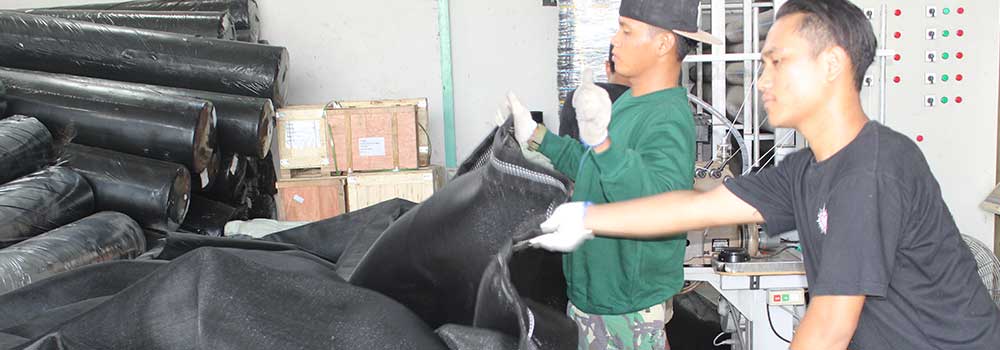
Geotube: Functions, Installation and Fabrication
Geotube A geotube, also called a geotextile tube, is a material resembling a large bag in the shape of a long tube. Woven from porous geotextile, geotubes are used in many civil projects, usually specifically for erosion control. Erosion control techniques with geotubes include building dikes, water retaining walls, reservoirs and stabilization. This article also […]

Types of Geogrid: Uniaxial, Biaxial and Triaxial
Here are the types of geogrid and their functions. Several types of geogrid are available on the market, but four are commonly used: uniaxial geogrid, biaxial geogrid, triaxial geogrid and polyester geogrid. Types of Geogrid Uniaxial Geogrid Uniaxial geogrid has long, elongated apertures and is manufactured as an integral structure. It can be made from […]
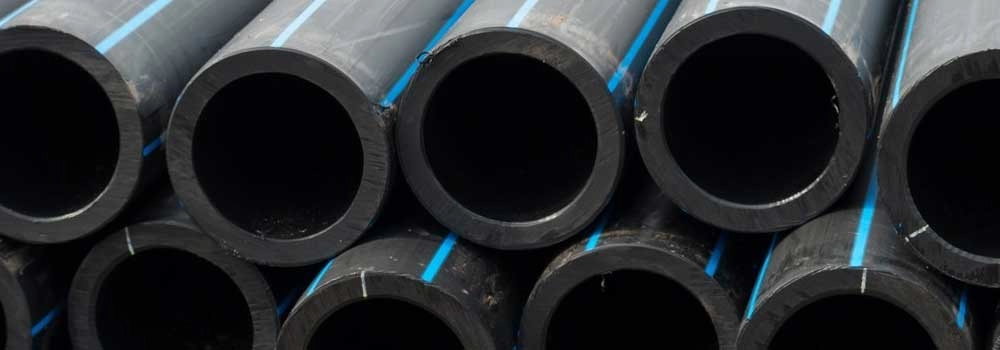
Latest HDPE Pipe Price Guide
HDPE pipe price currently varies, with several brands of pressurized HDPE piping commonly selected for government and private-sector projects in Indonesia. HDPE pipe is designed to resist pressure, leakage and damage because it is made from HDPE (High Density Polyethylene). HDPE Pipe Characteristics HDPE pipe has several characteristics and advantages that make it popular among […]