


Geotube: Functions, Installation and Fabrication
Geotube
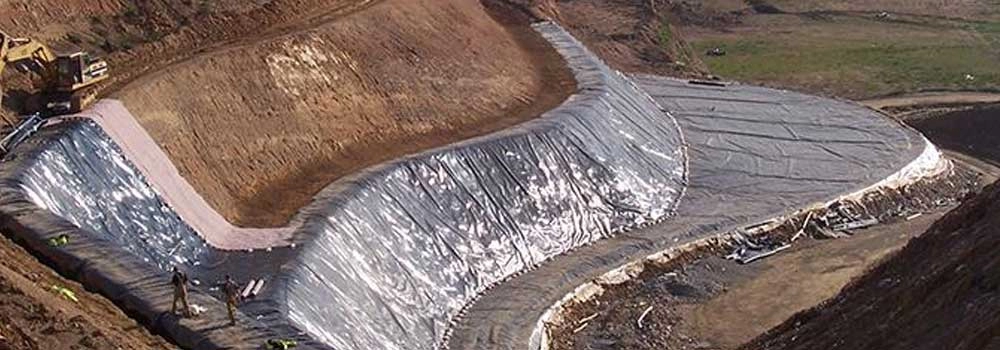
A geotube, also called a geotextile tube, is a material resembling a large bag in the shape of a long tube. Woven from porous geotextile, geotubes are used in many civil projects, usually specifically for erosion control. Erosion control techniques with geotubes include building dikes, water retaining walls, reservoirs and stabilization. This article also covers geotube installation.

Installing geotubes along the shoreline is one way to protect a coastline that retreats as sea levels rise. Geotubes can also act as a seawall, for example to dewater a temporary construction area.
One reason geotubes must be strong and durable is that they have to hold the sand inside them. Geotubes must also be porous (permeable) so that water trapped inside can escape.
Dewatering is a geotube method used for a variety of needs and applications. With proper dewatering, sand can be consolidated at a designated location, and its volume can be controlled to increase the solids concentration. This is done by draining the water in the bag until it is almost completely dry.
Geotube Fabrication
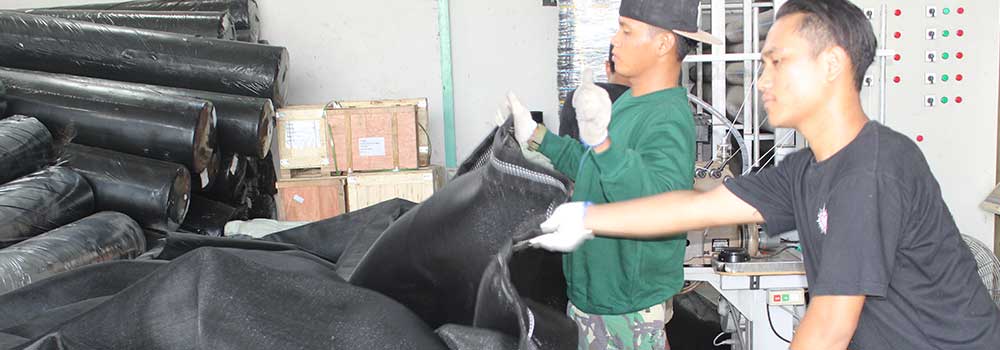
The base material of a geotube is a polymer that is not UV resistant. Geotube structures must also be protected against abrasion and impacts from sharp materials such as stuck logs or other objects. Taking into account the conditions of each section where the geotube is installed, concrete mattresses are used as protection in sections at risk of impact, and geomembrane material is used in sections with little impact.

Geotube Installation
Concrete mattresses are a composite of two layers of geotextile that act as formwork, with concrete mortar as the fill material. Geomembrane is a waterproof material made of High Density Polyethylene polymer, with good resistance to chemicals and UV rays. The material is very flexible, so if local settlement occurs, it will not be damaged and will keep functioning well. Based on position and elevation, geotube installation is divided into several types.

The geotube is filled using a hopper, with the fill slurry flowing in under pump pressure and the effect of elevation. To provide high-pressure water output, a pump with a capacity of 300 m3/hour is used. The geotube material is then rolled out and pumped until the design height is reached. Figure 20 shows a typical construction with geomembrane protection, while the typical construction with
Geotube Functions
Geotubes can serve as erosion and abrasion prevention structures, and the material can also be used for waste treatment. In other countries, geotubes are also widely used to treat industrial wastewater.
The dewatering technique, commonly known as primary and secondary sludge dewatering of production waste, is best done with geotubes because installation is easy and they are very effective for waste handling.
Geotubes are already widely used in many industries, such as paper and cardboard mills, slaughterhouses, palm oil processing and more. Geotube types and quality do vary; PT. Petra Nusa Elshada is a supplier that provides the best quality geotubes. To order, please click the link below.
Click here for orders and the latest prices
Geotube
Other Articles
Types of Geosynthetics and Their Functions
What are geosynthetics? Many of you may not yet be familiar with these materials. Geosynthetics are often used in construction projects because they perform important functions, depending on the types of geosynthetics used. These man-made materials are specifically designed to meet increasingly diverse construction needs. Although they are synthetic, geosynthetic products are very effective for […]

Types of Geocomposite and Their Uses
Geocomposite is a further development of geosynthetics: a combination of two or more geosynthetic materials. Combining geosynthetics speeds up installation and reduces the risk of damage that comes with installing several layers separately. Geocomposites serve as filtration, drainage, reinforcement and waterproof layers, depending on which geosynthetics are combined. Below are the types of geocomposite most […]

What Is Geogrid? Geogrid Types Explained
What is geogrid? Geogrid is a geosynthetic in the form of an open mesh. It has a regular grid of tensile elements with defined apertures, so that aggregate fill material can lock into it (interlock). There are 3 types of geogrid: uniaxial, biaxial and triaxial. Uniaxial and biaxial geogrids have a geometry made of tensile […]