


Geocell: Innovative Technology for Soil Stabilization

Introduction to Geocell
Construction and civil engineering are constantly developing and innovating to make infrastructure more sustainable and efficient. One increasingly popular innovative technology is geocell, widely used for soil stabilization. In this article, we explain in depth what geocell is, how it works and its benefits in construction. We also discuss the potential of geocell to help protect the environment.

What Is Geocell?
Geocell is a three-dimensional structure made of plastic, usually high-density polyethylene, consisting of hexagonal cells. The structure resembles a honeycomb or small interconnected blocks. Geocell is usually used to reinforce soil, build retaining walls, reduce erosion and improve stability on uneven surfaces.
How Geocell Works
Geocell is installed by laying it on the ground surface to be reinforced. The cells are then filled with soil, gravel, sand or other reinforcing material. The infill is trapped inside the cells and forms a strong, stable structure. The hexagonal structure provides effective lateral support, preventing the infill from sliding or shifting. This increases the bearing capacity and stability of the soil in the reinforced area.

Benefits of Geocell in Construction
- Improved Stability: Geocell helps stabilize weak or unstable soil. By reinforcing the soil beneath roads, bases or other structures, geocell reduces settlement, shifting and cracking.
- Erosion Reduction: In erosion-prone environments, geocell can slow water flow and retain soil. Its structure forms a physical barrier that prevents erosion and reduces soil loss.
- Construction Efficiency: In construction projects, geocell can reduce the amount of material needed, save time and cut costs. Geocell allows local soil or recycled material to be used as infill, reducing dependence on new materials.
- Environmental Sustainability: Geocell supports sustainable development by minimizing environmental impact. It helps reduce excessive excavation, the use of new construction materials and environmental damage from erosion and soil movement.
- Flexibility and Wide Application: Geocell can be used in many projects, including roads, airport runways, river embankments, hillsides, coastal reclamation and more. Its flexibility and adaptability to local conditions make it an effective solution for many construction challenges.
Conclusion
Geocell is an innovative technology that improves soil stability, reduces erosion and helps achieve more sustainable construction. As its use grows, geocell has proven to be an effective and efficient solution in construction projects. By continuing to develop and widely use this technology, we can build infrastructure that is more durable, cost-effective and environmentally friendly.
Other Articles

Geotextile as a Drainage Filter
Drainage is an important part of any construction project, and a geotextile drainage filter keeps it working. Drainage systems can be built in many ways; common types use perforated pipes and filter drains. A general weakness of drainage systems is that soil particles can enter along with the water. Aggregate can be used to deal […]

Geomembrane for Final Disposal Sites and Landfills
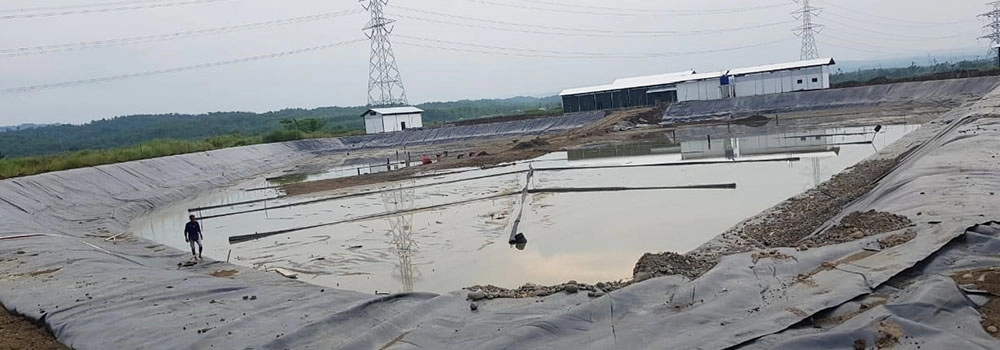
The Role of Geomembrane for Landfills and TPA (Final Disposal Sites) Why Applying Geomembrane at Landfills Matters If geomembrane is not applied at a landfill, the following problems can occur: In short, using geomembrane at waste disposal sites is an essential measure to prevent environmental pollution, protect water resources, maintain air quality and ensure public […]