


Geomembrane Differences: HDPE vs LDPE vs LLDPE
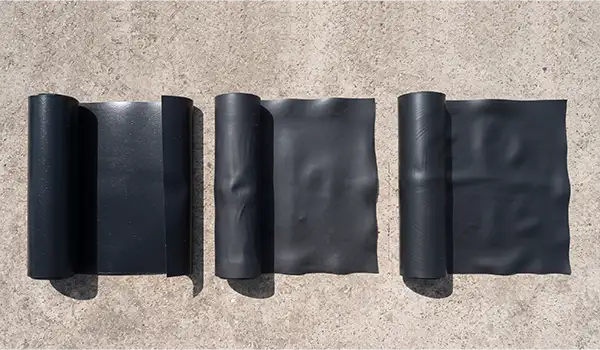
Hello, Petra Friends! Have you ever felt unsure when choosing a waterproof liner for your project? If you work in construction, mining, agriculture, or waste management, you are no doubt familiar with geomembrane. This geosynthetic material is highly popular because it prevents liquid and gas leaks extremely effectively.
However, once you start looking at products on the market or consulting a material provider such as Petra Nusa Elshada at petrane.co.id, you will immediately face several polymer options. The three names that come up most often, and that sometimes cause confusion, are HDPE, LDPE, and LLDPE.
At first glance, all three sound similar. Each name also ends in “PE”, which stands for Polyethylene. Make no mistake, though: choosing the wrong type of geomembrane can be fatal to the durability of your project! Repairing leaks costs far more than the initial installation.
So, to avoid buying the wrong product and help your project last for decades, let’s take a thorough, easy-to-understand look at the differences between HDPE, LDPE, and LLDPE geomembranes!
What Exactly Is Geomembrane?

Before moving on to a more technical comparison, let’s first get on the same page about what geomembrane is. Simply put, geomembrane is a thin polymer (plastic) sheet specifically designed so that liquids or gases cannot pass through it.
Think of it as a raincoat, only gigantic, extremely strong, and used to line the ground. Its function is crucial: it acts as a liner or main barrier that stops wastewater from contaminating the soil, or, conversely, keeps the water in your aquaculture pond from soaking away into dry ground.
Because it is made from synthetic polymers, geomembrane comes in various density grades. These molecular-level density differences give rise to three siblings: HDPE, LDPE, and LLDPE. Let’s examine them one by one!
Getting to Know HDPE Geomembrane
HDPE stands for High-Density Polyethylene. As the words “High-Density” suggest, this type of geomembrane has a very tightly packed molecular structure with minimal branching. This makes it the stiffest and hardest of the three PE types discussed here.
Main Advantages of HDPE Geomembrane
Its dense characteristics give HDPE several “superpowers” that engineers love:
- Extreme Chemical Resistance: HDPE is highly resistant to many harsh chemicals, acids, and alkalis. For this reason, it is often the mandatory standard for areas exposed to hazardous waste.
- Outstanding UV Resistance: Because it is often used outdoors under direct sunlight for years, HDPE contains additives (usually carbon black) that make it resistant to ultraviolet degradation.
- Very Strong and Long-Lasting: When properly installed on stable ground, HDPE offers exceptional long-term durability.
When Should You Use HDPE?
Because it is stiff, HDPE is ideal for large, flat, well-compacted areas. Projects best suited to HDPE geomembrane include:
- Landfills (TPA) to contain leachate.
- Mining projects (heap leach pads).
- Factory or industrial wastewater treatment plant (IPAL) ponds.
- Large-scale shrimp and fish ponds that need a base liner to maintain water quality.
Getting to Know LDPE Geomembrane
Next is LDPE, or Low-Density Polyethylene. Unlike HDPE, LDPE molecules have many long branches. This more open structure gives it a lower density. The result? LDPE is much softer, very flexible, and easy to shape.
LDPE’s Unique Properties
You might ask, “If HDPE is already so strong, why do we need LDPE?” The answer is flexibility. LDPE adapts easily to the shape of the ground surface. If your project site is uneven, full of small stones, or has sharp and complex corners, LDPE geomembrane is easier to install and stretch without the risk of the material cracking or being too stiff.
Despite these advantages, LDPE has lower tensile strength than HDPE and is somewhat more vulnerable to very aggressive chemicals.
The Right Applications for LDPE Geomembrane
Today, pure LDPE is used less often in heavy civil engineering projects, but it remains a top choice for:
- Small fish ponds or ornamental ponds in residential areas.
- Agricultural uses such as lining small-scale irrigation canals.
- Temporary covers on construction projects or stockpiled materials that need protection from rain.
LLDPE: The Best Middle-Ground Material
This is where polymer technology innovation comes into play. LLDPE (Linear Low-Density Polyethylene) improves on and bridges the gap between HDPE and LDPE. Its molecular structure has short, straight (linear) branches.
Physically, LLDPE combines the outstanding flexibility of LDPE with toughness and puncture resistance approaching that of HDPE.
Why Do So Many Projects Choose LLDPE?
The main reason LLDPE geomembrane has become so popular recently is its elongation, or ability to stretch. Under extreme conditions, LLDPE can stretch to several hundred percent of its original size before it finally tears!
Imagine building water storage on peat or clay that is prone to differential settlement. With stiff HDPE, ground movement could crack or tear the liner because HDPE cannot stretch freely. This is where LLDPE becomes the hero. It stretches with the shifting ground contour without losing its impermeability.
Projects That Really Need LLDPE
Because of its superior flexibility, LLDPE is often specified for:
- Landfill top covers (Landfill Capping). Waste piles continue to shrink and settle over time, so they need an elastic cover.
- Pond liners in areas with highly unstable ground or high earthquake risk.
- Rainwater embung (small retention reservoirs) in hilly areas with irregular surfaces.
Conclusion: Which One Should You Choose?
To make comparison easier, here is a simple summary of the differences between HDPE, LDPE, and LLDPE geomembranes based on three main criteria:
- Flexibility: LDPE and LLDPE are the winners. Both bend easily and follow the shape of the ground. HDPE, on the other hand, is fairly stiff and needs special welding techniques where it meets sharp corners.
- Tensile and Chemical Resistance: HDPE takes the top spot. For toxic factory waste or areas on flat ground that need a burst-proof material under heavy loads, HDPE is unmatched. LLDPE comes second: tough enough, but not as hard as HDPE.
- Resistance to Ground Movement: LLDPE is the clear champion. Its very high elongation ensures the geomembrane will not tear easily even if the ground beneath it settles or shifts.
Common Mistakes When Choosing Geomembrane
Even when people know the theory, many still make serious mistakes in the field. One of the most common is forcing HDPE onto ground prone to settlement simply because it is called the “Strongest”. In fact, stiff material is vulnerable to stress cracking if the ground beneath it moves.
Another mistake is not considering the joining method. HDPE geomembrane requires a hot wedge welder and certified technicians to join it so it is truly watertight. Thinner or more flexible materials, meanwhile, can be easier to work with on small-scale installations.
That is why, before you buy, it is important to analyze the soil structure, the type of liquid to be contained, the project duration, and, of course, your budget.
Trust Your Geomembrane Needs to the Experts
Choosing the right geomembrane, whether sturdy HDPE, flexible LDPE, or elastic middle-ground LLDPE, requires careful consideration. A wrong step at the start can lead to costly leaks and damage to the surrounding environment.
That is why you need a partner who does not just sell products but also understands the technical details in the field. If you are preparing an embung project, lining a shrimp pond, or managing industrial waste, Petra Nusa Elshada is the best partner you can rely on.
Need a Consultation for Your Project?
Do not hesitate to consult the Petra Nusa Elshada team. We supply many types of high-quality geosynthetic material, ready for delivery throughout Indonesia. Let’s discuss your project needs now!
View Our Catalog: Click here
Chat on WhatsApp Now: Click here
Think Geosynthetics, Think Petra!
Other Articles

HDPE Geomembrane: Specifications and Advantages
The term HDPE plastic may be more familiar to the general public than HDPE geomembrane. In general, geomembrane is a civil engineering construction material closely associated with water containment. This article looks at HDPE geomembrane specifications, functions and advantages. To learn more about geomembrane in general and HDPE in particular, the following article covers its […]

What Is Cocomesh? Benefits, Definition and Uses
A Complete Guide to This Remarkable Natural Material Cocomesh, also known as “coconut netting,” is a natural material that is increasingly popular in many industries. Made from carefully processed coconut fiber, cocomesh is strong and environmentally friendly. In this article, we provide a complete guide to cocomesh benefits and uses, including its definition and how […]
