


How to Choose the Right Geomembrane Thickness
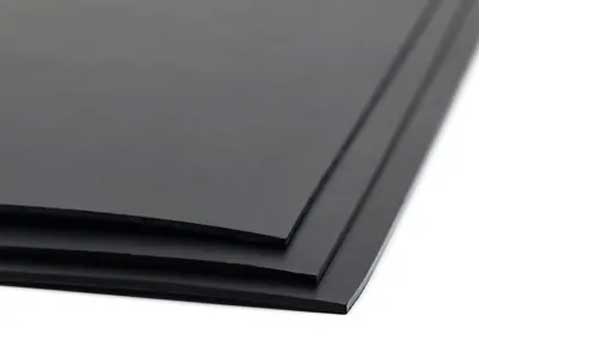
Geomembrane is a geosynthetic material in the form of a waterproof sheet that provides a crucial solution in a wide range of infrastructure and environmental projects. From fish ponds to landfill caps, its main function is to act as a barrier to liquids, such as water or waste, and gases.
However, one question often arises: What is the ideal geomembrane thickness?
There is no single answer. Geomembrane thickness must be selected based on an in-depth analysis of the project type, site conditions, and the durability required of the material. Choosing the right thickness is key to the efficiency, safety, and service life of your project.
Why Does Geomembrane Thickness Matter?
Thickness directly affects several vital factors:
- Mechanical Strength: The thicker the geomembrane, the higher its resistance to puncture, abrasion, and tensile stress in general. This is important in areas with hard ground conditions or a risk of physical damage.
- Pressure Resistance: Greater thickness can better withstand hydrostatic pressure and the pressure of loads above it.
- Durability and Service Life: For long-term and permanent applications, such as landfills or major infrastructure, adequate thickness ensures that the geomembrane can withstand weathering, UV rays, and chemicals.
Recommended Geomembrane Thickness by Application
The thickness of a geomembrane , usually available from 0.3 mm to 3.0 mm, must match the level of risk and protection required by each project.
| Project Application | Generally Recommended Thickness | Main Considerations |
| Fish/Shrimp Ponds & Small Agricultural Ponds | 0.3 mm – 0.75 mm (or 300 – 750 microns) | Basic waterproofing needs, low cost, relatively non-critical applications, and minimal pressure. |
| Salt Ponds & Clean Water Storage Ponds | 0.5 mm – 1.0 mm (or 500 – 1000 microns) | Requires a stronger waterproof liner, particularly in salt ponds to accelerate crystallization. |
| Drainage & Light Soil Stabilization Applications | 0.5 mm – 2.0 mm | Directs water flow and prevents erosion in simple projects. |
| Landfill Capping | 1.0 mm – 1.5 mm | Requires long-term UV resistance and thermal stability. |
| Landfill Liner & Chemical Waste Containment | 1.5 mm – 2.0 mm (or more) | Critical applications requiring high puncture resistance and exceptional chemical resistance, often using HDPE. |
| Biogas Projects & Heavy Infrastructure | 2.0 mm – 3.0 mm | Withstands high gas pressure or extreme, heavy-duty site conditions while ensuring maximum protection. |
4 Essential Criteria for Determining the Optimal Thickness
Choosing based on the table above alone is not enough. You need to analyze your project using the following criteria:
- Subgrade Condition (Underlying Soil Layer)
- Fine & Level Soil: If the subgrade has been properly prepared and is free of sharp stones, you can use a more minimal thickness, for example 1.0 mm.
- Coarse & Rocky Soil: The risk of puncture is very high. A greater thickness (1.5 mm – 2.0 mm) or the use of a Geotextile Protective Layer beneath the geomembrane is required to prevent damage.
- Pressure and Loads
- Liquid Pressure (Head Pressure): How high will the water or waste being contained rise? The deeper the containment, the greater the hydrostatic pressure and the thicker the geomembrane required.
- Overlying Loads: Will there be a layer of soil or other material above the geomembrane, for example in a landfill cappingproject? Consider the pressure exerted by that cover material.
- Project Life and Durability
- Short-Term/Temporary: For temporary applications, a thickness of 0.5 mm may be sufficient.
- Long-Term/Permanent (30+ years): Landfill projects, large irrigation water storage ponds, and critical infrastructure should use premium thickness standards (1.5 mm and above) to ensure resistance to environmental degradation.
- Chemical Resistance
If the geomembrane will be in contact with waste or corrosive chemicals, make sure to choose the right material, such as HDPE, with sufficient thickness to withstand long-term exposure.
Conclusion: Don’t Take the Risk!
Choosing a geomembrane thickness that is too thin can lead to project failure, leaks, costly repairs, and serious environmental impacts. On the other hand, choosing one that is too thick wastes material costs.
The best strategy is to always consult geosynthetics experts and design specialists who can perform a risk analysis and determine the thickness based on international standards and the specific conditions of your project.
Other Articles

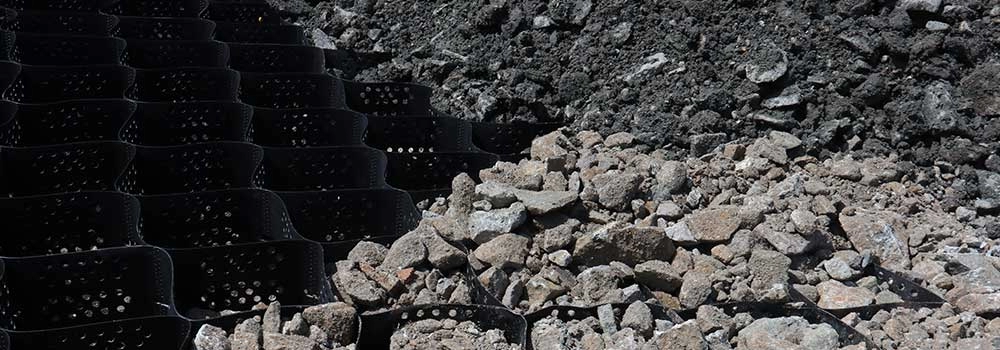
Geocell Indonesia: Functions, Price and Quality
Have you ever heard of Geocell Geotextile? This time we will discuss geocell in Indonesia, which can help prevent soil erosion. Make sure you understand this information well so you can keep your ground in good condition. Geocell Geotextile People who do not work in construction may not be familiar with the term geocell. What […]

HDPE Geomembrane Standards for Aquaculture
The types of geomembrane commonly used for ponds are HDPE (High Density Polyethylene) and LLDPE (Linear Low Density Polyethylene) geomembranes. An HDPE geomembrane for aquaculture is a sheet made from high-density polyethylene plastic with a flexible and waterproof structure. HDPE geomembrane used in aquaculture helps reduce the build-up of organic material on the pond bottom. […]