


Geosynthetics in Oil and Gas Areas

The oil and gas sector operates many different kinds of areas, such as exploitation, drilling, storage and treatment areas. These areas can produce high levels of contamination that require special treatment and protection, to prevent contamination (pollution) that could affect the soil and water. Geosynthetics for oil and gas are the right solution to this problem.

Geosynthetics in Oil and Gas Areas
Oil and gas waste comes in many forms, but the most common is liquid waste containing hazardous substances at fairly high concentrations. This liquid waste can seep into the soil and may even come into contact with surface water (rivers, lakes, etc.) or water in the ground (groundwater).

Geosynthetics in Oil and Gas Areas
The most common waste in the petroleum industry is wastewater. Wastewater can come from various sources, such as sludge oil, drilling fluid or fluids from hydrofracturing (fracking) systems. Sludge oil is mud containing crude oil that is produced by drilling. Drilling fluid is a mud mixed with chemicals that helps the drilling process and cools the drill bit.
There are also hydrofracturing (fracking) fluids, used to fracture rock formations, which contain a very wide variety of chemicals. All three of these fluids are classified as B3 (hazardous and toxic) waste.

Geosynthetics in Oil and Gas Areas
Wastewater is usually stored to be treated or reused until it is fully saturated. Wastewater ponds generally use HDPE geomembrane because of its good resistance to chemicals. Besides protecting the soil as a liner, HDPE geomembrane can also be used as a pond cover, to prevent evaporation and unexpected contamination.

Geosynthetics in Oil and Gas Areas
Geomembrane can also be placed beneath oil storage tanks. This contains leaks from the storage tank so that oil does not seep into the subgrade, and it also makes cleanup easier if a leak does occur in the tank area.
PT. Petra Nusa Elshada supplies geomembrane made from HDPE, in thicknesses from 0.3 mm to 3 mm. PT. Petra Nusa Elshada geomembrane comes in two types: local (TKDN, domestic content certified) and imported (non-TKDN). The geomembrane products available comply with GRI and ASTM standards.
To determine the right geomembrane for your project, please contact us via the following link:
Other Articles
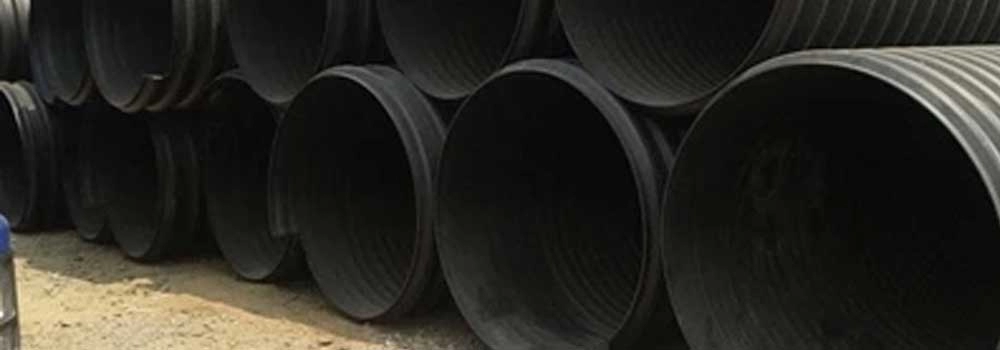
Corrugated HDPE Pipe and Its Uses
Corrugated Pipe Corrugated HDPE pipe is a type of pipe often used in building construction and other types of construction work. “Corrugated” means wavy or ridged. Corrugated HDPE pipe is made from high density (HD) polyethylene (PE) and has a ridged shape, which is why it is also known as profiled pipe; corrugated HDPE pipe […]

Geotextile Sewing Machine and Sack Bag Closer
Before introducing the geotextile and sack sewing machine, let us briefly explain what geotextile is. Woven geotextile and non-woven geotextile each have their own advantages depending on how they are used on the ground. Geotextile is made from synthetic fibers with added ultraviolet protection, using Polypropylene Polymer (PP) or Polyester (PET), woven or knitted by […]
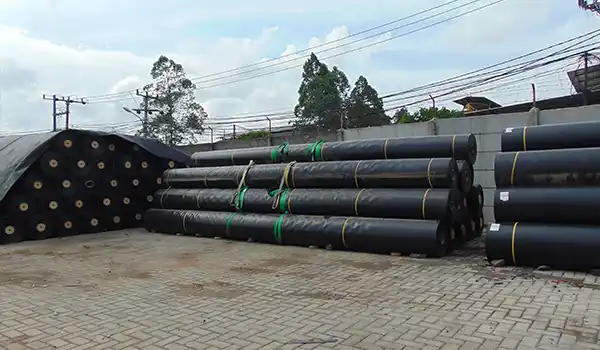
Trusted Shrimp Pond Geomembrane Distributor
Hello, Petra friends! How is your shrimp farm doing today? We hope its growth chart keeps trending upward. When we talk about the shrimp farming business, we are not only talking about quality fry or feed. There is one “silent hero” that very often determines the success of your harvests in the long run: Geomembrane. […]