


Grass Paver: Keep Your Lawn Natural Under Car Traffic
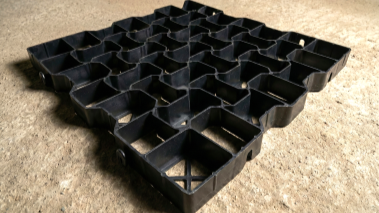
Have you ever wanted to park your car in your yard or a commercial area without damaging the grass, turning it muddy, or compacting it into hard soil? Frustrating, right? Ideally, you want a parking area that is attractive, green, and environmentally friendly.
If your answer is YES, you should get to know an excellent solution: Viropave , also known in Indonesia as an HDPE Grass Paver

grass paver
What Exactly Is Viropave?
Imagine this: Viropave is like a mesh- or grid-shaped puzzle made from plastic, usually extremely strong HDPE. It serves two purposes. First, it protects grass roots and blades from being crushed or damaged by heavy loads such as cars, motorcycles, or even small trucks. Second, the grid stabilizes the soil beneath it.
When you install Viropave, grass grows lush and attractive inside the grid’s “cells.” The result? You get a strong, drivable surface that still appears 90% grass! Impressive, right?
Product Overview & How It Works
Viropave (Grass Paver) is designed with special openings that allow grass to grow freely. When a car passes, the vehicle load is distributed to the sturdy plastic walls instead of directly onto the grass roots or soil.
- Material: High-quality plastic that is strong, weather-resistant, and not easily broken.
- Installation: Simply place it on a leveled soil layer, add a small amount of growing medium or sand, then plant the grass. Simple!
- Durability: Lasts more than 5 years on average.

grass paver installation
Why Choose Viropave (Grass Paver)? Here Are 7 Main Benefits
Viropave is more than a parking base. It offers many functional, aesthetic, and environmental benefits:
- Maximum Grass Protection (Main Function)
This is clearly the number-one benefit. Need to park large cars or frequently host events in your yard? There is no need to worry about grass becoming bare, yellow, or muddy from compression. Viropave acts as a strong “shield” for your grass.
- Smart Rainwater Management (Superior Drainage)
This is what most distinguishes it from conventional paving blocks. Viropave is permeable , so it lets water soak in. During heavy rain, water does not immediately run into the gutter but gradually infiltrates the soil. Your yard is therefore less likely to flood or pond. This also helps maintain the groundwater cycle in your area. Very environmentally friendly!
- Reducing Heat ( Urban Heat IslandEffect)
Concrete and asphalt surfaces absorb solar heat and radiate it back, making the surroundings feel hotter. With grass-dominated Viropave, surface temperatures are lower. Your yard feels cooler and more comfortable.
- Attractive Green Aesthetics
Who does not like seeing a lush green yard? Viropave (Grass Paver) creates a natural, cleanappearance. You can have a functional driveway or parking area that still looks like a garden. Ideal if aesthetics are a priority!
- Durable and Low Maintenance
Because it is made from strong plastic, this product withstands extreme weather, from intense heat to storms. Maintenance? Simply mow the grass as usual!
- Fast and Easy Installation (Even DIY!)
Its modular design, similar to large Lego pieces, enables very fast installation. You can even do it yourself on a weekend (DIY – Do It Yourself) without hiring workers for a long period.
More Than Grass: Viropave Also Stabilizes Gravel (Gravel Paver)
Besides protecting grass, Viropave has another equally useful function frequently used in modern designs: Stabilizing Gravel or Decorative Pebbles (Gravel Paver).
You have probably walked over an area covered with decorative pebbles. Walking feels difficult, the pebbles scatter everywhere, and footsteps or car tires quickly leave dents in the surface. Inconvenient, right?
This is where Viropave proves its value again.
🧱 How Does Viropave Become a Gravel Paver?
The process is simple:
- Install the Paver: As with planting grass, the plastic paver is placed on a prepared soil surface.
- Fill with Gravel: Instead of soil and grass, the paver cells are completely filled with pebbles, gravel, or crushed stone of the appropriate size.

Benefits of Using Viropave as a Gravel Paver:
- Gravel Stays in Place: This is the greatest benefit. The sturdy paver walls act as retainers. The gravel is locked inside the paver cells. Whether a car is parked or people walk on it, the gravel will not scatter or form deep wheel ruts. The surface stays neat.
- Flatter and Stronger Surface: Because the gravel is locked in place and loads are distributed by the plastic paver structure, a formerly “soft,” uneven surface becomes stable, level, and strong enough to carry loads. This is very important for parking areas and footpaths.
- Optimal Drainage: As with grass applications, the Gravel Paver remains permeable . Rainwater infiltrates directly through the gaps in the gravel into the soil. You therefore do not need to worry about your gravel parking area becoming muddy or ponding.
Distinctive Aesthetics: Gravel can create a very elegant, minimalist, and modern appearance. With a paver, you can maintain the gravel look without the hassle of cleaning or leveling the surface.
Viropave vs Paving Blocks: Which Is Better for You?

Unsure whether to install Viropave or conventional concrete paving blocks? Let us compare these two popular solutions so you make the right choice.
| Criteria | Viropave | Concrete Paving Blocks |
| Material | Very Strong HDPE Plastic | Cement Concrete / Clay |
| Appearance | Mostly Grass/Gravel (Natural) | Mostly Concrete / Stone (Hard) |
| Water Drainage | Excellent (100% Infiltration) | Poor (Small Gaps/Impermeable) |
| Environmental Friendliness | Very High (Reduces Runoff) | Standard (Concrete Production Process) |
| Cooling Effect | Very Cool (Reduces Heat) | Tends to Be Hot (Absorbs & Radiates Heat) |
| Strength | Strong (Can Support Fire Trucks) | Very Strong (Heavy Loads) |
| Ideal For | Residential/Garden Parking, Footpaths, Infiltration Areas | Main Roads, Industrial Areas, Sidewalks |
Conclusion:
- Choose Viropave if you prioritize natural beauty, water infiltration that prevents ponding, and a cooler environment. It is ideal for areas used by vehicles, but not too frequently, such as a residential driveway .
- Choose Paving Blocks if you need a surface that is very hard, dense, and frequently subjected to extremely heavy loads , such as a factory loading area.
Planning to Install Viropave? Simple Tips for Success
Installing Viropave is not complicated, but several points should be considered for optimal, long-lasting results:
- Prepare a Firm Base: Make sure the soil beneath it is compacted and leveled. A gravel or coarse-sand layer 5-10 cm thick is strongly recommended for optimal drainage.
- Lock the Pavers Correctly: Although the pavers are interlocking , make sure each module is installed tightly without large gaps.
- Choose the Right Grass (For a Natural Grass Look): Dwarf Elephant Grass, Japanese Grass, or Zoysia are popular choices because they have strong roots and tolerate foot traffic.
- Fill the Cells Properly: After installing the pavers, fill the cells with a soil-and-sand mixture for a natural grass look, or with 1-2 gravel for a gravel finish.
- Initial Care: Water the grass regularly after planting until the roots are established and the grass covers the paver surface.
It Is Time to Make Your Yard More Natural and Functional!
Can you imagine how great it would be if your yard became an attractive, natural parking area?
Viropave is a smart long-term investment. You get a strong, functional surface while contributing to a better environment through superior drainage. Say goodbye to ponding water and muddy yards!
So, what are you waiting for? Start planning to make your yard greener, stronger, and more attractive with the Viropave solution from Petra Nusa Elshada.
Other Articles


Concentric and Eccentric Reducer Fittings
Reducers are among the most widely used fittings in the piping industry, and they work exactly as their name suggests. Available as concentric and eccentric reducer fittings, a reducer reduces the flow of water or fluid. Reducing here does not mean controlling the flow like a valve, which opens or closes to make the flow […]