


Green Rooftop Solutions for a Better City
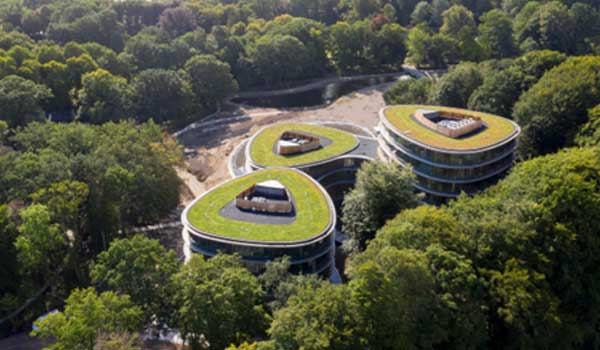
In an era of rapid urbanization, environmental problems and global warming have become major concerns. One increasingly popular innovative solution is the green rooftop, or green roof. The concept not only adds visual appeal, but also contributes greatly to greening the urban environment. By integrating gardens and vegetation into building structures, a green rooftop can modify the microclimate around a building, lower city temperatures and provide pleasant, environmentally friendly green space.
A green rooftop is a concept that combines ecology with modern architectural design, offering many benefits that support healthier urban living.
Environmental Benefits of a Green Rooftop You Should Know
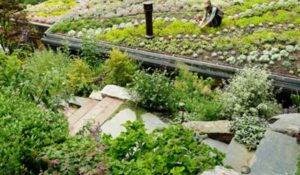
Understanding the environmental benefits of a green rooftop is essential to appreciate the major role this concept can play in contributing to cities and human life.
Every day, big cities face major challenges such as air pollution, rising temperatures and shrinking green space. The green rooftop is a smart solution that can address all of these problems. Besides improving air quality, a green roof garden also acts as a natural filter that absorbs pollutants and reduces greenhouse gas emissions.
Not only that, a green rooftop also helps reduce the urban heat island effect, which usually makes city temperatures much higher than those of the surrounding areas. With green plants on top of buildings, surface temperatures can drop significantly, creating a cooler, more comfortable environment for city residents.
Reducing Air Pollution and Greenhouse Gas Emissions
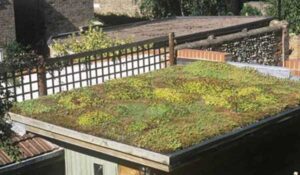
Air pollution is a major problem faced by big cities around the world. Pollutant particles from vehicles and industry often fill the urban air, causing serious health effects and even affecting ecosystems. In addition, greenhouse gas emissions from human activity contribute to global climate change.
With a green rooftop, major benefits can be felt in reducing air pollution and greenhouse gas emissions. Green plants on buildings absorb carbon dioxide and atmospheric pollutants and help add the oxygen that humans and other living things need. In a dense city, a roof garden not only adds visual beauty, but also acts as a natural filter that directly improves air quality.
This transformation is an ecological solution that does not require large operating costs and can be applied widely in urban areas. A green roof garden provides a double benefit, for both the environment and people, as part of an environmentally friendly movement that answers the challenges of our time.
Reducing the Urban Heat Island Effect and Lowering Ambient Temperatures
One of the big problems in large cities is rising temperatures caused by the urban heat island phenomenon. Concrete buildings and asphalt absorb and radiate large amounts of heat, making urban air temperatures much higher than in the surrounding areas, especially during the hot season.
A green rooftop is highly effective at holding back heat and reflecting it back into the atmosphere. Its vegetation absorbs heat and evaporates water from the soil and plants, so the temperature around the building becomes cooler. It is no wonder that green roof gardens are often called a “savior” from the high temperatures that disrupt people’s comfort.
In addition, a garden on top of a building also contributes greatly to reducing the load on its cooling and heating systems, so the energy used to manage indoor air temperature can be minimized. In the long term, this also lowers energy costs and reduces the city’s overall carbon footprint.
The Role of the Green Rooftop in Shaping City Life
Integrating a green rooftop into modern building structures has a major impact not only ecologically, but also socially and economically. The concept supports the vision of a greener, healthier city and improves people’s quality of life through green space that blends with urban architecture.
A green rooftop acts as a community space that brings residents together and encourages gardening, recreation and education about the importance of protecting the environment. Amid the bustle of the city, a green roof garden can be a calming oasis as well as a green addition that enriches the urban ecosystem.
Besides its ecological benefits, a green rooftop offers attractive economic opportunities, such as higher property values and lower building operating costs through energy efficiency. Many developers and building owners have begun investing in green roof gardens because of their tangible benefits and long-term sustainability. The concept has become part of sustainable city development strategies that can address future challenges.
Improving the Health and Quality of Life of City Residents
Health is one of the main aspects that benefits from a green rooftop. A green, fresh environment helps reduce stress, improves mood and provides clean air for the building’s occupants. A roof garden can also be used for physical activities such as yoga, light cycling or simply a relaxing walk.
Green environments also offer biodiversity that helps balance local ecosystems. A variety of plants attracts birds, insects and other living things that contribute to the city’s ecological sustainability. Direct community involvement in caring for green roof gardens creates a sense of ownership and awareness of the importance of protecting the environment.
Overall, the green rooftop is a solution that supports a healthy, active lifestyle. This approach not only improves air quality, but also strengthens social bonds in dense, dynamic urban communities.
Green Rooftop with Geocell
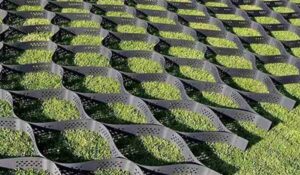
A green rooftop with geocell is one of the latest innovations in architecture and urban greening. The combination offers an effective solution for improving environmental quality, lowering city temperatures and delivering ecological and aesthetic benefits. With geocell technology, green roof gardens can be more stable and durable, adapting to different climates and building structures.
Building a green rooftop with geocell is an attractive option for developers, architects and members of the public who care about sustainability and comfortable urban living. This article takes an in-depth look at the benefits, installation process, related technology and other important aspects of this innovative concept.
Geocell Technology for Green Rooftop Stability
Geocell technology is a key aspect of creating durable, stable green roof gardens. A geocell is a confinement structure made of geosynthetic material in the form of small interconnected cells. The technology allows the growing media and plants on the roof to carry loads effectively while maintaining structural stability.
The main advantage of geocell is its ability to spread loads evenly, reducing direct pressure on the building’s underlying structural layers. As a result, the risk of damage to the roof or building structure can be minimized.
Geocell also offers advantages in drainage and rainwater management. The geocell cells help direct water efficiently to the drainage system, preventing excessive water build-up that could cause damage.
Geocell Application and Installation
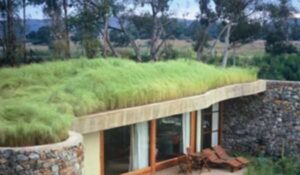
Geocell installation must be carefully planned to ensure every aspect is optimized. The first step is to evaluate the roof structure and calculate the maximum load it can carry.
Next, the geocell is installed in stages according to the planned design, then filled with growing media suited to the climate and the chosen plant species. Installation techniques must ensure tight, stable connections so the whole system can perform optimally.
It is important to supervise the installation process so all components are installed correctly and structural weaknesses are avoided in the future. The right technique will ensure a geocell-supported green roof garden performs at its best for many years.
FAQ about the Green Rooftop You Should Know
What is a green rooftop and how does it work?
A green rooftop is a garden built on the roof of a building with a vegetation layer and a specially designed drainage system. The plants hold back heat and absorb pollutants, helping to lower temperatures and improve air quality in the city.
What are the main benefits of a green rooftop?
The main benefits include reducing the heat island effect, improving air quality, lowering building energy use, and providing green space and a place for community activities. Ecologically, green roof gardens play a major role in supporting life in the urban environment.
Does a green rooftop need special maintenance?
Yes, green roof gardens need routine maintenance such as watering, fertilizing and pruning. Automatic irrigation systems are often used to make maintenance easier, while choosing climate-resistant plants helps reduce overall maintenance cost and effort.
How do you start building a green rooftop?
The first step is a feasibility study by professionals, followed by choosing suitable plants and planning the drainage system and supporting structure. It is also important to consult architecture and environmental experts so the green roof garden concept is optimal and safe.
Can a green rooftop be applied to every type of building?
In theory, a green rooftop can be applied to many types of buildings, from commercial buildings and housing to public facilities. However, the building’s design and structure must be able to carry the additional load of the roof garden, so technical consultation is strongly recommended.
Conclusion
The green rooftop is an innovation that combines beauty and ecological benefits at the same time. By making use of the space on top of buildings, the concept offers a smart solution to urban environmental problems such as high temperatures, air pollution and a lack of green space. Beyond its ecological importance, a green roof garden also offers significant social and economic benefits, supporting healthier, more comfortable city life. Adopting a green rooftop is a concrete step toward the city of the future and shows a commitment to the planet. Let us start investing in our environment through green innovation.
Other Articles


DWC Pipe Joining with a Join Tracker
DWC pipe joining using a Join Tracker is a common method for creating a strong, secure connection between double-wall corrugated (DWC) pipes. The following are the general steps for joining DWC pipes with a Join Tracker: 1. Preparing Tools and Materials: DWC pipes to be joined. Join Tracker (pipe extraction tool). Joint rubber (gasket/rubber ring). […]