


HDPE Corrugated Pipe: Functions and Advantages

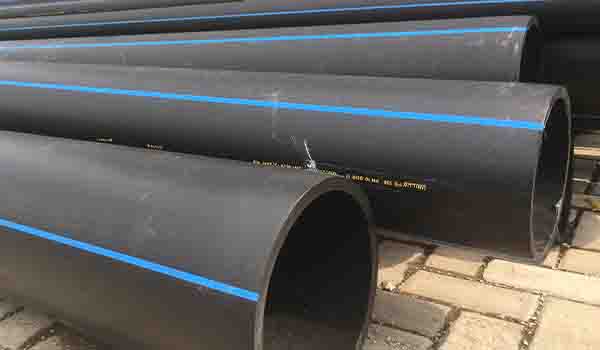
HDPE corrugated pipe is a pipe made of High-Density Polyethylene (HDPE) and one of the most common pipe types in the construction industry. It is made of high-quality plastic that resists corrosion and leaks and lasts a long time. Being flexible and lightweight, the pipe suits a wide range of construction needs such as drainage systems, irrigation channels and clean water distribution.

HDPE Corrugated Pipe Functions
This pipe has been tested for construction use and has proven very sturdy and suitable for many conditions and situations, from outdoor and open-field use to below ground and even underwater. Because it offers so many advantages, the material is now widely used for many kinds of piping systems. The pipe is commonly used in fisheries, agriculture, the chemical industry, drainage systems, gas distribution, wastewater disposal and more.

Advantages
HDPE pipe has several advantages, and one of the main ones is its corrosion resistance. The HDPE material used in this pipe resists chemicals and liquids, so it does not corrode easily. This makes the pipe well suited for drainage channels and irrigation channels.

This type of pipe is also quite flexible and lightweight. This allows HDPE pipe to be installed easily and quickly, without heavy equipment. The pipe is also easy to move, so shipping and transport are more efficient than for other pipe types such as concrete or steel pipe.
Thanks to its base material, HDPE, the pipe lasts a long time and is not easily damaged, giving it a fairly long service life of around 50 years. Compared with other pipes, it also needs no special maintenance, which saves on maintenance costs in the future.
HDPE pipe is made of recyclable plastic, so it does not harm the surrounding environment. It also does not release harmful chemicals into the water, so it is safe to use for clean water pipelines.
Other Articles

HDPE Pipe: Leak-Proof Clean Water Pipe Solution
Have you ever been annoyed when the water bill at your home or project suddenly skyrocketed? After checking, the problem turns out to be a classic one: a pipe leaked or burst because it couldn’t withstand the water pressure. Piping problems are often taken lightly, yet their impact can be a real headache. If you […]