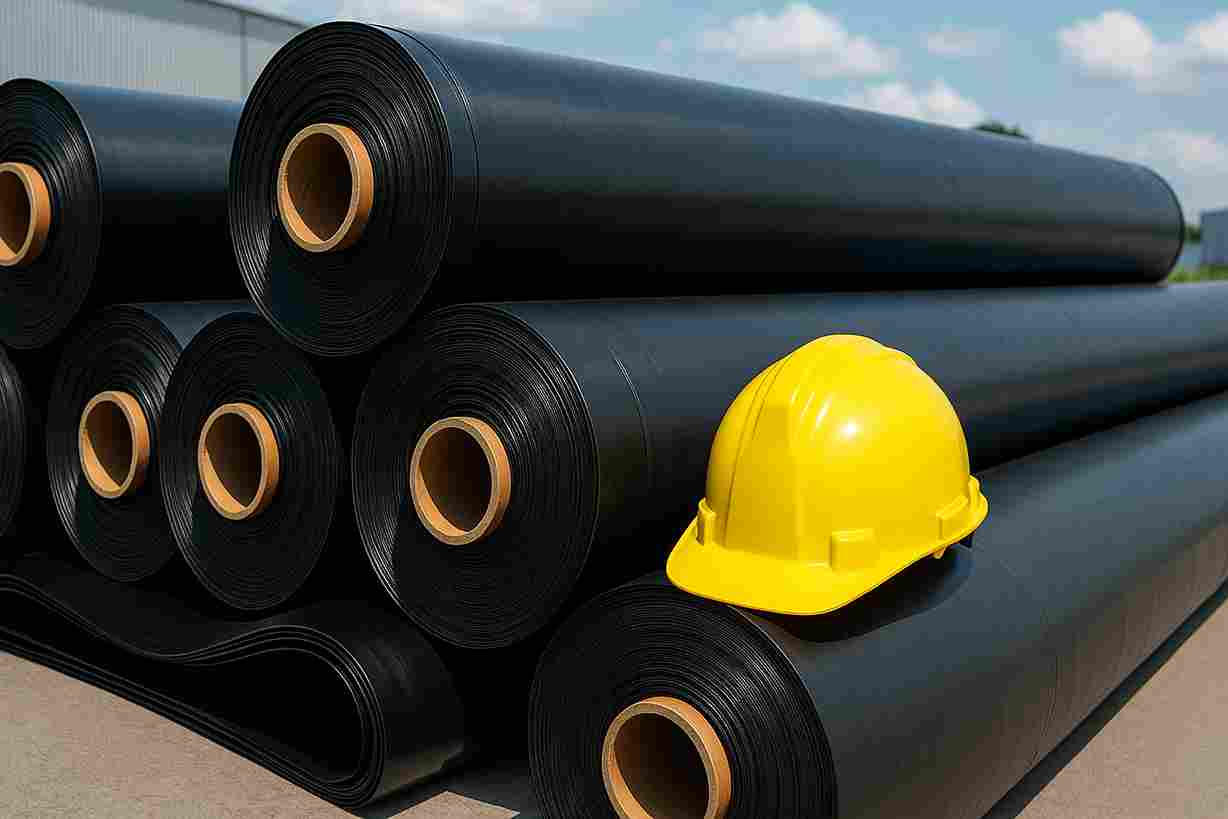
HDPE and PVC Geomembranes: Key Differences
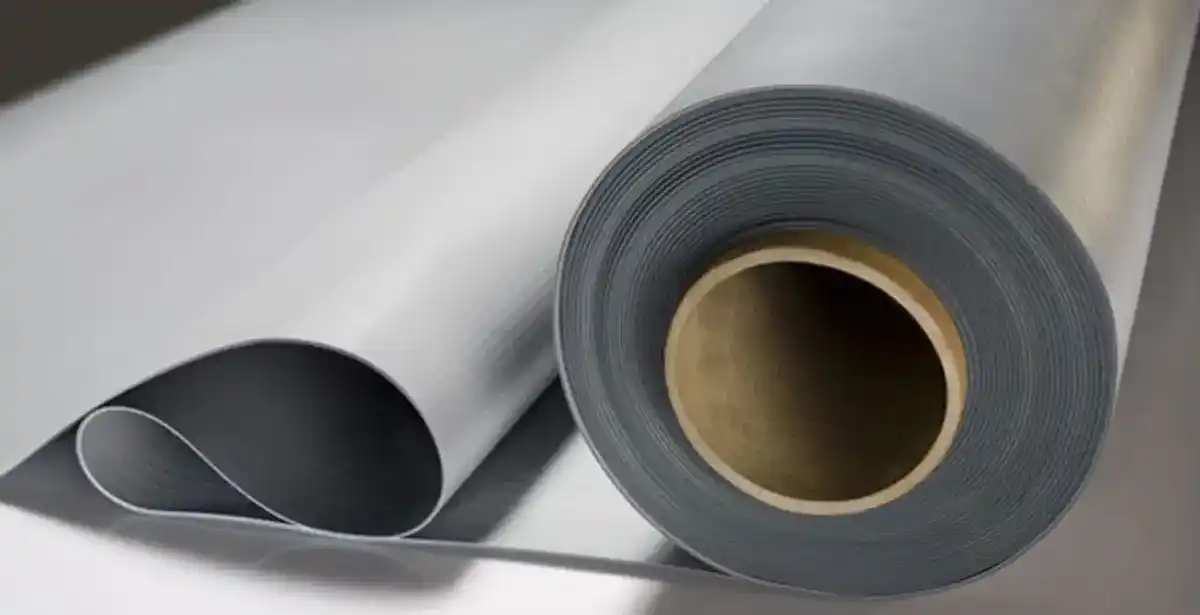
Geomembrane liners, which retain water and protect reservoirs from leaks, are among the most important materials to consider when building a reservoir. Several types of geomembrane are available, but the two most commonly used are PVC (polyvinyl chloride) and HDPE (high-density polyethylene). Which of the HDPE and PVC geomembranes is better for reservoir construction: PVC geomembrane or HDPE geomembrane?
HDPE and PVC Geomembranes: PVC Type
Advantages of PVC Geomembrane
PVC geomembrane is a type of plastic known for its flexibility and resistance to ultraviolet (UV) radiation, chemicals, and extreme temperatures. These properties allow it to perform for a long time without losing its strength or integrity.
PVC geomembrane offers many advantages, one of which is its ease of installation. It is usually available in wide sheets, making it easier to cover large areas quickly with minimal seams. The sheets can be welded together using hot-air or RF (radio frequency) induction welding techniques.
Another advantage of PVC geomembrane is that it is less prone to leaks and tears than other geomembrane types. This reduces the likelihood of leakage or failure over time, making it a more reliable and durable choice for reservoir construction.
Disadvantages of PVC Geomembrane
However, PVC geomembrane has several disadvantages that should be considered. For example, it is not as flexible as some other geomembrane types, which means it may be unsuitable for applications requiring high flexibility or pliability. In addition, PVC geomembrane is generally more expensive than other types, which may be a concern for some construction projects.
HDPE Geomembrane Type
Advantages of HDPE Geomembrane
In contrast, High-Density Polyethylene (HDPE) geomembrane is made from a plastic known for its strength, flexibility, and high chemical resistance. It is often used in landfill construction and other environmental applications requiring strong resistance to various chemicals and contaminants.
One benefit of high-density polyethylene (HDPE) geomembrane is its flexibility. It is a versatile material for reservoir construction because it can be easily shaped and adapted to any contour or slope. It is also often less expensive than PVC geomembrane, making it a more economical choice for some projects.
Disadvantages of HDPE Geomembrane:
Although this material offers many advantages, it also has several disadvantages, including the following:
- Drilling Challenges
- Sharp Piles
- Limited Thickness
- High Maintenance Costs and Highly Contoured Ground
This explains HDPE- and PVC-based geomembranes. Make sure you use high-quality HDPE material from Petra Nusa Elshada so your project remains durable.
Petra Nusa Elshada offers a range of high-quality HDPE geomembrane materials at affordable prices. Contact Petra Nusa Elshada now for consultation and ordering.
Other Articles

Why Use Geosynthetics? Key Functions and Benefits
Why use geosynthetics? Geosynthetics are typically manufactured and designed to perform separation, reinforcement, filtration and drainage functions, and certain geosynthetics can perform several functions at once. Geosynthetic materials are used at every stage of construction to strengthen infrastructure by improving road design, conserving water, controlling evaporation, limiting erosion, and increasing the longevity, durability and safety […]

The Cost of Using Geocell vs Conventional Pavement
Geocell is a cellular confinement system, a 3D geosynthetic for road reinforcement. Looking at the cost of using geocell, this technology can cut aggregate costs by 30%-40% compared with conventional pavement systems. An analytical calculation gives the design thickness when using geocell. You can contact us at +62 821-2383-4360 for a free consultation. Based […]