Land Reclamation: Definition, Process, and Impacts
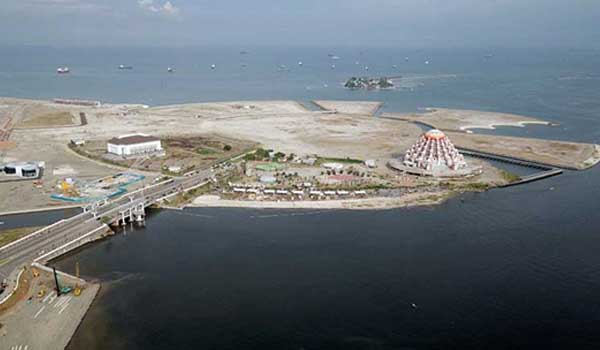
Land reclamation is a method often used to improve land use in coastal areas and on small islands. Many countries, including Indonesia, use reclamation to overcome land shortages and support economic and infrastructure development. Behind its benefits, however, are various environmental and social issues that must be understood and carefully considered.
What Is Land Reclamation?

Land reclamation: definition, process, and impacts
Land reclamation is the process of developing or creating new land in coastal areas that were previously sea, beach, or swamp. Its purpose is to create new land for various uses, such as housing, industrial estates, ports, and tourism zones.
In general terms, reclamation is an effort to expand land area by filling waters with quarried or other materials that can stabilize the ground and support building structures. The process involves filling the sea and forming new land that can then be used permanently.
Reclamation is also often understood as a gradual effort to conserve and use coastal resources when carried out with attention to environmental and social impacts. To ensure the activity proceeds properly, strict regulation and environmentally friendly technology are essential.
Reclamation is also an effective solution to growing space needs, but it must be carried out carefully to avoid negative impacts on coastal ecosystems and natural resources. It requires careful planning so its benefits can be widely felt.
The Land Reclamation Process
The reclamation process involves several important stages that must follow technical standards and account for the environment. Today, reclamation technology is increasingly advanced, enabling more efficient results with fewer adverse environmental effects.
Every reclamation project must begin with a feasibility study and an environmental impact analysis (ANDAL). This stage is essential for assessing potential risks and benefits and identifying what is required. The reclamation area is then designed, including site selection, materials, and the underlying soil structure.
Reclamation technology generally uses heavy equipment such as cranes and dump trucks, along with advanced equipment featuring digital monitoring systems. Compacted quarried materials such as sand, rock, or clay form the main foundation of reclaimed land.
Reclamation is based on soil stability, smooth water flow, and attention to coastal ecosystems. With certain technologies, such as stone revetments (shoreline protection made from arranged rock) and drainage systems, the process can help reduce erosion and excessive soil loss. Environmentally friendly materials should also be considered at every reclamation stage.
Reclamation must be combined with comprehensive risk analysis and strict supervision throughout the process. The final result can then meet human needs while maintaining the ecological balance of coastal areas.
Using Geosynthetics for Land Reclamation

Land reclamation: definition, process, and impacts
Geosynthetic materials are increasingly important in modern reclamation infrastructure. With advantages in soil stability, erosion control, and environmental protection, they have become a leading choice for reclamation projects in many coastal areas.
Geosynthetics for reclamation are synthetic materials used to reinforce, separate, or control soil in land reclamation and coastal structure projects. They not only increase soil bearing capacity but also help maintain environmental balance. As technology develops, geosynthetics have become a leading solution for reclamation projects of all sizes.
Geosynthetics help reduce the need for limited natural materials, making projects more environmentally friendly and economical. They also help reduce the risk of cracking or structural failure caused by ground movement or erosion. Choosing the right material type and design is therefore essential for successful reclamation.
Their use is not limited to reinforcing soil along shorelines and riverbanks; they are also used for bridges, slope protection, and retaining walls. Because they integrate with natural materials, geosynthetics provide innovative solutions that address many reclamation challenges effectively and efficiently.
Advantages of Geosynthetic Materials
Geosynthetic materials produce coastal reclamation works that are stronger and more resistant to harsh natural conditions. Their main advantage is the ability to significantly reduce risks from sea waves and coastal erosion.
This is essential for protecting vulnerable coastal ecosystems and reducing the effects of climate change. These materials also help control seawater intrusion into land areas and slow abrasion that damages large coastal areas. These advantages make coastal reclamation a better solution. Geosynthetics help maintain harmony between development and environmental conservation.
Geosynthetics Commonly Used in Land Reclamation

Land reclamation: definition, process, and impacts
Reclamation projects commonly use several types of geosynthetics according to structural requirements and environmental conditions. Material selection strongly affects project success and cost and time efficiency.
These materials have different characteristics that allow specific uses. Some have high tensile strength, while others excel in resisting chemicals and harsh environments, including salt water and wet soil.
Geocomposites combine several types of geosynthetics designed to provide optimal strength and function. They usually combine geotextile, geomembrane, and geogrid for specific purposes.
In reclamation, geocomposites address challenges such as soil retention, water control, and protection of underlying layers against abrasion and damage. Each component complements the others to produce a more stable, durable structure.
Make sure you use only high-quality geosynthetic products from Petra Nusa Elshada so your reclamation project delivers good results. Petra Nusa Elshada offers a range of high-quality geosynthetic materials at affordable prices. Contact Petra Nusa Elshada today for consultation and orders.
Impacts of Land Reclamation

Land reclamation: definition, process, and impacts
Reclamation can deliver major benefits for economic and infrastructure development. Previously unproductive areas can be transformed into centers of economic activity, such as ports, industrial estates, and housing. Reclamation is therefore often used to address land shortages in dense urban areas.
However, the environmental impacts of reclamation must be fully understood. A major impact is the loss of coastal ecosystems that play an essential role in maintaining ecological balance. Coral reefs, mangroves, and other natural habitats are often threatened, causing habitat damage, loss of marine life, and coastal erosion.
Reclamation can also increase flood and abrasion risks if it is not carefully planned. Changes in water flow and sedimentation can disrupt natural balance and damage ecosystems around the reclamation area.
Economically, reclamation offers major opportunities for investment and regional growth. Areas that previously lacked space can accommodate more industrial and business activity, increasing job opportunities and community incomes. However, reclamation projects may also create social tensions and conflicts of interest, especially when they do not involve local communities or consider social justice.
When developing an area, policies must integrate economic, social, and environmental aspects harmoniously.
Land Reclamation Law and Policy

Land reclamation: definition, process, and impacts
In Indonesia, reclamation is governed by various laws and regulations intended to ensure it complies with legal requirements. The Indonesian government regulates reclamation through several regulations requiring permits, supervision, and activity reporting.
A key regulation is Law No. 27 of 2007 on the Management of Coastal Areas and Small Islands. This law emphasizes the importance of protecting coastal resources and marine ecosystems and guarantees community participation in coastal management. Environmental permits are also strongly emphasized so reclamation activities undergo complete, transparent environmental impact analysis.
Reclamation has become increasingly complex in Indonesia because many projects face opposition from communities and environmental groups. There are concerns that unlicensed projects that pay little attention to social and ecological aspects could cause long-term environmental damage and threaten marine resources.
A major reclamation challenge in Indonesia is weak supervision and corruption that hinder project approval and implementation. To improve effectiveness, permitting reform is needed, including firm law enforcement against violations and empowerment of local communities to participate in overseeing reclamation projects.
National policy must balance development needs with environmental protection. Reclamation can then deliver optimal economic benefits without sacrificing social justice.
Land Reclamation FAQs
What does land reclamation mean?
Land reclamation is the process of developing new land in coastal areas by filling seawater or swamps with specific materials to create new land for various development purposes.
What are the main objectives of land reclamation?
Its main objectives are to increase usable land for infrastructure, housing, industrial estates, ports, and tourism zones and to address space shortages in dense urban areas.
What are the negative environmental impacts of reclamation?
Major negative impacts include natural habitat damage, loss of marine life, increased flood and abrasion risks, and the loss of important coastal ecosystems such as mangroves and coral reefs.
How is reclamation regulated in Indonesia?
Reclamation in Indonesia is regulated through various laws, including the Law on the Management of Coastal Areas and Small Islands, as well as environmental permit and impact analysis requirements that must be met before reclamation begins.
Can reclamation be carried out continuously?
Reclamation can be carried out continuously if it follows conservation principles, uses environmentally friendly technology, involves community participation, and is strictly supervised by government and related institutions.
Conclusion
Land reclamation is an important method for expanding land in coastal areas and supporting economic and infrastructure development. Despite its major benefits, it must be carried out carefully with attention to environmental, social, and legal considerations. Successful reclamation depends on environmentally friendly technology, strict regulation, and active community participation. With the right measures, reclamation can be a long-term solution for meeting living-space needs while protecting natural resources and coastal ecosystems.
Other Articles
How to Choose the Right Geotextile Type
Understanding the types of geotextile is essential for construction and environmental management professionals. In today’s advancing world, using the right material is crucial to achieving optimal results. Geotextile is an innovation in civil engineering that offers many benefits for infrastructure and environmental protection. This article explores the various types of geotextile so readers can better […]

Guide to Choosing Geotextile: Woven vs Non-Woven
Geotextile is a geosynthetic product that comes in two types: woven geotextile and non-woven geotextile. In general, geotextile is a polymer material used to add strength to a design. The polymers used in geotextile are polypropylene (PP) and polyester (PET). Each type has its own capabilities, and its use is matched to site conditions. When […]