


Marine Pollution Prevention Strategies
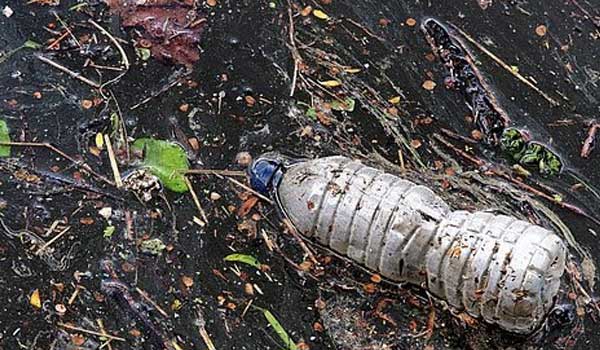
Marine pollution prevention is an important step in maintaining the balance of marine ecosystems so their natural resources remain stable. The sea is not only home to many living things but also the main source of livelihood for coastal communities such as fishers. Preventing pollution must therefore be a priority for everyone, from government and communities to industry.
Challenges in Marine Pollution Prevention
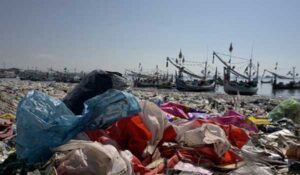
A root cause of marine pollution is low public awareness of the negative effects of human actions. Many people do not realize that carelessly discarded waste can end up in the sea, pollute it, threaten marine life, and even affect human health.
Education-related problems therefore require serious attention. Continuous campaigns must be conducted so people understand that every individual plays an important role in preventing pollution. These education programs should not focus only on theory but also on hands-on practice and a thorough understanding of the importance of protecting the sea as part of the earth’s heritage.
Involving local communities or organizations in marine conservation can also strengthen pollution prevention programs. These efforts must be continuous so their effects are felt over the long term and pollution levels can be reduced significantly.
Lack of Awareness and Education
A root cause of marine pollution is low public awareness of the negative effects of human actions. Many people do not realize that carelessly discarded waste can end up in the sea, pollute it, threaten marine life, and even affect human health.
Education-related problems therefore require serious attention. Continuous campaigns must be conducted so people understand that every individual plays an important role in preventing pollution. These education programs should not focus only on theory but also on hands-on practice and a thorough understanding of the importance of protecting the sea as part of the earth’s heritage.
Involving local communities or organizations in marine conservation can also strengthen pollution prevention programs. These efforts must be continuous so their effects are felt over the long term and pollution levels can be reduced significantly.
Strengthening Policy and Law Enforcement
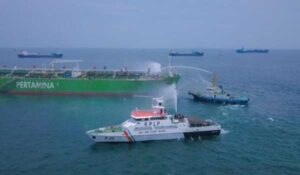
Firm government policy and law enforcement are the main foundations of marine pollution prevention. Without clear rules and strict sanctions against violators, marine ecosystem conservation will be difficult to achieve effectively. Governments must develop policies that strictly regulate waste management, shipping, and marine industries.
Strict supervision and impartial sanctions against polluters are also required. One concrete example is an automated monitoring system that can quickly detect waste entering the sea in real time.
Outreach and education programs for industry and the public on complying with environmental regulations must also be maximized. The success of marine pollution prevention depends heavily on close collaboration among government, the private sector, and communities. If everyone is aware of their responsibilities, marine pollution can be significantly minimized and marine ecosystem quality can be well maintained.
Technology and Innovation in Marine Pollution Prevention

Today, technology and innovation are smart solutions for addressing and preventing marine pollution. These technologies have developed rapidly and offer tools that can monitor, detect, and reduce pollution impacts. Drones, automated sensors, and satellite-based monitoring systems are important innovations that help manage pollution sources directly and in real time.
These technologies provide objective, accurate data on marine conditions, including water quality analysis, the presence of waste, and pollution levels. The data can then support faster, better decisions. Other innovations, such as environmentally friendly liquid and solid waste treatment technologies, also support pollution prevention.
Technology must also be balanced with research and development of new innovations suited to environmental conditions. For example, developing plastic biodegradation methods using microorganisms that remain active in marine environments is an innovative step toward reducing plastic waste. Such innovations will strengthen marine pollution prevention as a whole.
Monitoring and Early-Detection Systems
Implementing monitoring and early-detection systems is one step toward preventing marine pollution. These systems automatically monitor marine conditions and issue warnings when safe pollution limits are exceeded. Sensor data can be analyzed to identify pollution sources and when pollution occurred.
With these systems, authorities and industries can respond to problems quickly. Satellite technology for remote supervision can also improve monitoring of suspicious or illegal activity at sea. This technology provides a complete, accurate picture and supports fairer, more transparent law enforcement.
Accurate, real-time data helps reduce the chance of pollution going undetected and prevents more extensive damage. These systems are an important part of prevention strategies.
The Role of the Waste Treatment Industry in Protecting Marine Ecosystems
The waste treatment industry plays an important role in maintaining the balance of highly complex marine ecosystems that are vulnerable to pollution. Without adequate waste treatment, pollution sources such as domestic, industrial, and agricultural waste can enter waters directly and cause extensive environmental damage. Awareness of the importance of waste treatment is a strategic step in marine conservation. The industry ensures that waste no longer contains hazardous substances that could pollute the sea and is instead treated so it is safe for marine life, including marine organisms and humans.
Effective waste management also supports human health, because some improperly treated pollutants can spread through seafood. For example, pollutants from industrial waste can accumulate in marine organisms and then enter the human food chain. The waste treatment industry is therefore vital for preventing the buildup of hazardous substances with long-term, far-reaching effects. Industries committed to waste treatment contribute not only to marine ecosystem health but also to the well-being of surrounding communities.
Effective, comprehensive waste treatment can reduce pollutant discharges into the sea and ensure discharged waste meets national and international environmental standards. With continuously developing technology, the waste treatment industry also plays a role in developing more efficient, environmentally friendly treatment methods. In addition to protecting the sea from pollution, this motivates other industries to follow suit and apply environmental protection principles.
Using Geosynthetics in the Waste Treatment Industry
Geosynthetics are manufactured synthetic materials specifically designed for many construction and environmental projects. They offer high strength, durability, and environmental resistance, making them suitable solutions for the waste treatment industry.
Using geosynthetics in the waste treatment industry provides innovative solutions to waste management challenges such as soil and water contamination and soil structure stability. Geosynthetics function as cover layers, isolation layers, and structural reinforcement for waste treatment facilities, improving overall waste management effectiveness.
The main role of geosynthetics is especially evident in controlling leakage and seepage of liquid waste into the surrounding environment. With high impermeability, products such as geomembranes become the main protection that prevents waste from spreading and polluting nearby water and soil. Another advantage is their ability to withstand the pressure and heavy loads of waste stored for years.
Geosynthetic Types Used in the Waste Treatment Industry
In practice, various geosynthetics are used in the waste treatment industry to ensure successful, safe waste management. Each type has specific functions and characteristics according to its application.
Geomembrane: An Impermeable Liner, Especially for Liquid Waste Management
Geomembrane is one of the most important geosynthetics in the waste treatment industry, especially for forming impermeable liners. Its main function is preventing liquid waste from seeping or leaking into the soil and groundwater below, providing maximum protection for the surrounding environment.
In application, geomembrane is usually installed as a base liner in industrial waste ponds. The material can withstand hydrostatic pressure from liquid waste above it and resist hazardous chemicals contained in that waste. Choosing the right geomembrane is essential to avoid damage from UV light, oxidation, or aggressive chemicals.
Besides providing excellent impermeability, geomembrane can also withstand extreme temperatures and mechanical stress. These advantages make it a leading choice for improving waste management safety at relatively efficient cost.
Geotextile: Reinforcement and Filtration in Waste Treatment Systems
Geotextile is a synthetic fiber material with high tensile and tear strength. In the waste treatment industry, geotextile serves as a soil reinforcement and filter layer that supports structural stability and controls liquid waste flow within the system.
In practice, geotextile is used to improve foundation stability and prevent soil fragmentation and erosion. It can also act as a filtration layer that keeps solid particles from being carried by liquid waste flowing through treatment structures. Another advantage is its ability to withstand mechanical stress from heavy waste and extreme weather during operation.
Using geotextile in waste management systems is essential because it extends structural life and minimizes damage from abrasion, tearing, or chemical degradation.
Make sure you use only high-quality geosynthetic products from Petra Nusa Elshada so your project delivers good results. Petra Nusa Elshada offers a range of high-quality geosynthetic materials at affordable prices. Contact Petra Nusa Elshada today for consultation and orders.
Community Support for Marine Pollution Prevention
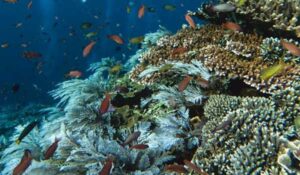
Marine pollution prevention is not only the responsibility of government and industry; it also requires active community participation. Awareness of environmental protection must be instilled from an early age to create a broad culture of caring for the marine environment. Without community support, prevention efforts will struggle to achieve optimal results.
Communities can help by reducing single-use plastics, keeping their surroundings clean, and actively joining marine conservation programs organized by government and nongovernmental organizations. Their role is essential in building awareness that the sea is a source of life and must be protected from pollution. Through education and empowerment, communities become the front line in strengthening pollution prevention.
Conclusion
Marine pollution prevention is an effort to protect marine resources that involves many stakeholders. Through cooperation, strategy, education, policy, and active participation by communities and businesses, the negative effects of marine pollution can be reduced significantly. Awareness of marine conservation must continue to grow so this natural heritage remains preserved for future generations. Through concrete steps and planned strategies, the future of Indonesia’s and the world’s oceans will be brighter and free from the threat of pollution.
Other Articles
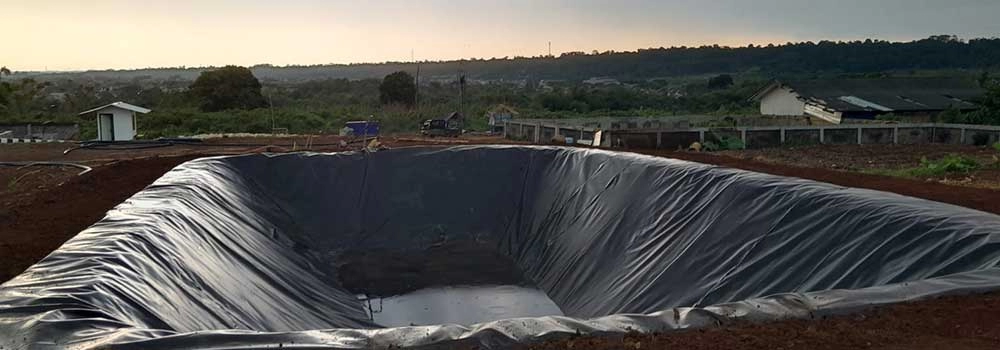
Geomembrane for Small Reservoirs: Types and Benefits
Geomembrane is a geosynthetic material in the form of an impermeable sheet made from a plastic-like synthetic material. Its waterproof characteristics are why geomembrane for small reservoirs, known in Indonesia as embung, is so often used. Besides being impermeable to liquids, geomembrane can also be joined, shaped and combined easily. These processes can be carried […]

Geotextile Functions for Railways, Farming and Drainage
Just like road construction, railway construction certainly requires the application of geotextile. One of the key geotextile functions here is to act as a separation layer, or separator, between the soil and the underlying subsoil. The separator applied will certainly not disrupt groundwater circulation. Another advantage of this layer is that it effectively dampens the vibrations […]

HDPE Butt Fusion Machine: Functions and How It Works
An HDPE butt fusion machine, also called an HDPE pipe welding machine, is a machine for joining pipes made of HDPE (High Density Polyethylene). It fuses two pipes into one with a reliable result. This HDPE pipe machine works by melting the pipe ends with adjustable heat. It can be used not only to join […]