


Non-Woven Geotextile Sizes, Functions and Advantages

In modern construction, non woven geotextile has proven itself to be a unique and versatile material. There is a range of non-woven geotextile sizes, and each size affects its performance and the end result.

Understanding this material is one of the keys to a successful project that uses geotextile. That is why, besides sizes, you also need to know about its functions and advantages.
Non-Woven Geotextile Sizes
What is the difference between woven and non woven geotextile? Non woven geotextile is a type of geotextile made from synthetic fibers such as polypropylene or polyester.
Its structure is formed by mechanically bonding the fibers without weaving. This is what sets it apart from woven geotextile.
This non woven structure can have various bonding patterns that produce a looser, more random fiber layer. Non woven geotextile is specially designed for use in a wide range of geotechnical and environmental engineering projects.

That is why it comes in a range of sizes, measured by weight (gsm), to match how it will be used. The various non woven geotextile sizes are:
● 150 gsm
● 200 gsm
● 350 gsm
● 400 gsm
● 600 gsm
● 1200 gsm
The geotextile size per roll affects its durability and strength against loads and the environment. Besides the sizes above, vendors usually offer sizes that can be customized to your needs.
Functions of Non-Woven Geotextile
What is non woven geotextile used for? In general, this material is used in a wide range of civil engineering and construction applications involving soil and geotechnical materials. Non woven geotextile has various functions that support infrastructure projects.
Here are some of the main functions of non woven geotextile:
1. Separation
The first function of this material is to separate different soil layers, for example native soil and fill material. This separation prevents the layers from mixing, which could reduce the structural and drainage performance of the project.
2. Filtration
Next, non woven geotextile acts as a filter layer that prevents fine soil particles from entering the aggregate layer above. This keeps water flowing well and prevents drainage materials from clogging.
3. Reinforcement
One of the main functions of non woven geotextile is to provide structural reinforcement to the soil. It can be placed beneath road layers or foundations to increase bearing capacity and prevent surface deformation under heavy loads.
4. Protection
Non woven geotextile can also be used as a protective layer to prevent surface erosion caused by rainwater or water flow. It can be placed on slopes or surfaces prone to erosion to preserve the integrity of the soil.
5. Drainage
This material has drainage capabilities that allow water to pass through efficiently.
This helps reduce groundwater pressure below the surface, prevents excessive water build-up and keeps the structure stable.
Besides the functions above, non woven geotextile is also used in projects such as building waterways, water retention systems, land rehabilitation and construction on soft soil.
All of these functions can use a variety of non woven geotextile sizes. It is very important to carry out measurements and simulations before ordering this material for a project.
This will also affect the geotextile price per roll you pay. Proper planning has a big impact on budget efficiency.
Advantages of Non-Woven Geotextile
Non woven geotextile has several advantages, including:
1. Physical Strength
One of the main advantages of non woven geotextile is its physical strength. Although its fibers are not woven, the random fiber layer still provides significant strength.
This allows non woven geotextile to be used in soil reinforcement, erosion protection and construction that requires extra durability.
2. Efficient Filtration
The next advantage is its high porosity and ability to filter soil particles and other solids out of water. This is very useful in drainage, water control and environmental protection applications, all of which prioritize clean water or soil.
3. Drainage Capacity
The non woven structure lets water pass through easily, so the material helps provide good drainage.
This is useful for reducing the risk of standing water, keeping slopes stable and preventing water build-up that damages structures.
4. Durability
Non woven material also has good resistance to physical damage such as tearing and wear. Some types of non woven geotextile are also designed with extra resistance to chemicals and UV rays.
This ensures a long material life under harsh environmental exposure. Besides the advantages above, non woven geotextile is also easy to install, economical, environmentally friendly and suitable for many kinds of projects.
But is non woven geotextile permeable to water? Yes, it is. Is woven geotextile permeable? Yes, as well, because geotextile is a porous, water-permeable sheet.
Tips for Choosing the Right Non-Woven Geotextile Size
Choosing the right non woven geotextile size is important to ensure its performance in geotechnical engineering projects. Here are some tips for choosing the right size of non woven geotextile:
1. Project Type and Geotextile Function
First, consider the type of geotechnical project you are working on. Will the geotextile be used for separation, reinforcement or drainage?
The function of the geotextile will determine which physical characteristics need to be considered, such as tensile strength and permeability.
2. Strength Requirements
Non woven geotextiles come in a range of tensile strengths and durability levels. Choose a size with a tensile strength that matches the needs of your project.
For projects that require strong soil reinforcement, you will probably need to choose a geotextile with high tensile strength.
3. Permeability
If the geotextile will be used for drainage or filtration, its permeability becomes very important. Choose a size with a permeability that suits the soil and water conditions at the project site.
4. Fiber Size and Mass per Unit Area
Non woven geotextiles have varying fiber sizes, measured in denier or tex. The geotextile’s mass per unit area (grams per square meter) is also relevant.
For example, a higher mass per unit area generally indicates better strength and durability. Keep this in mind before choosing a non woven geotextile size.
5. Density and Porosity
Consider the density of the geotextile and the extent of the pores between its fibers. Higher density can provide better separation and filtration, while the right porosity is important for drainage.
Woven and non woven geotextile sizes will of course differ. If you are not sure you can choose the right size, consult a geotechnical expert or a geosynthetics specialist such as https://petrane.co.id/.
Closing
Remember that every geotechnical project has unique needs. That is why it is important to carry out a thorough analysis and consult experts before making a final decision on the right non woven geotextile size.
Other Articles

Palm Oil Access Road Reinforcement
The main problem frequently faced by palm oil plantations in Indonesia is the palm oil access road. Repeated damage to road infrastructure, especially during the rainy season, reduces production efficiency. Repairing this damage naturally requires very high vehicle maintenance and road infrastructure costs. This has become a cycle that recurs every year. Geocell […]
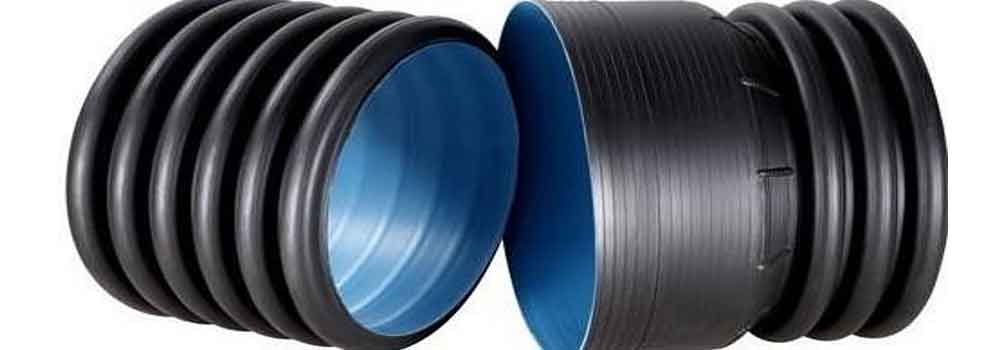
HDPE Corrugated Pipe Joints: How to Connect Them
Here is how to make HDPE corrugated pipe joints for each type of corrugated pipe: Single wall corrugated pipe has a corrugated inner profile that follows the profile of the outer wall. Single wall pipe is generally used for infiltration. Single wall HDPE corrugated pipe can be joined in 2 ways:1. The pipes are joined […]