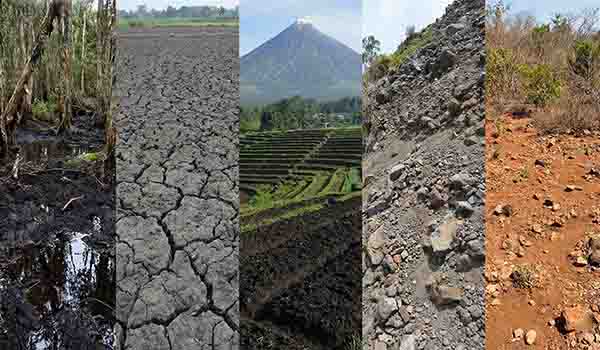
The Role of Retaining Walls in Resilient Landscapes

A retaining wall is an important element in construction and landscaping. It not only supports soil to prevent collapse but also serves an aesthetic role that enhances outdoor spaces. Understanding the construction and functions of retaining walls helps create environments that are both structurally sound and visually attractive.
Retaining walls are structures that hold soil in place to prevent landslides or shifting. They are frequently used on steep slopes, gardens, and agricultural areas that require orderly, safe soil arrangement. Proper use and careful planning support both building stability and landscape appearance.
Material Selection: The Key to Durable Retaining Walls
Selecting the right material is an important first step before building a retaining wall. Each material has its own advantages and challenges depending on project requirements and site conditions. Common materials include concrete, natural stone, brick, and timber. This decision strongly influences the strength and durability of the completed retaining wall.
Beyond strength, aesthetics should also be a major consideration so the final result is functional and enhances the surrounding garden or environment. Some materials offer specific advantages suited to the area’s conditions and functions. Choosing the right material also reduces future maintenance and repair costs.
Environmental and sustainability considerations are important in material selection, particularly the ecological impact and integration with surrounding ecosystems. Environmentally friendly materials that withstand extreme weather can deliver long-term benefits for owners and the surrounding environment.
Reinforced Concrete: An Excellent Choice for Structural Retaining Walls

Understanding the importance of retaining walls in resilient, attractive landscapes
Reinforced concrete is one of the most popular and dependable materials for retaining walls that require high durability. It provides exceptional strength and stability, making it suitable for structures retaining heavy soil pressure or built on unstable ground.
Reinforced concrete offers not only structural strength but also design flexibility. Concrete can be formed into straight, curved, or naturally textured walls. Its primary advantage is resistance to severe weather and to organisms such as fungi or termites.
Reinforced concrete requires regular inspection and maintenance, particularly of the reinforcing steel, to prevent corrosion that could weaken the structure. Ultimately, concrete is an appropriate retaining wall material for long-term building stability and safety.
Natural Stone: A Traditional Choice Combining Beauty and Strength
Understanding the importance of retaining walls in resilient, attractive landscapes
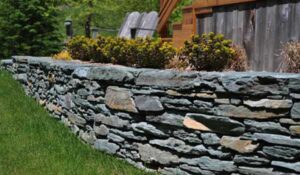
Natural stone is a classic material widely used for retaining walls. Its natural beauty creates an organic appearance that harmonizes with its surroundings. Natural stone is also known for durable strength and resistance to weathering and environmental conditions.
Building a natural stone retaining wall usually requires patience and specialized skill because the stones must be arranged precisely for stability. Natural stone can be laid manually using specific techniques to create a strong, attractive structure. Its natural colors enhance the visual appeal and reflect local natural resources.
Natural stone is often combined with materials such as mortar to optimize strength and create a more attractive texture. Besides strength and beauty, it integrates easily with many exterior and landscape architectural styles.
Planning and Designing Retaining Walls: Key Steps for Project Success

Understanding the importance of retaining walls in resilient, attractive landscapes
Careful planning is essential so retaining walls perform effectively and last. Several important factors must be addressed before construction begins, including soil-condition analysis, site selection, and structural design suited to soil loads and safety requirements.
Beyond technical factors, aesthetics must ensure the structure not only retains soil but also enhances the environment. A good design sketch and proper material selection help achieve satisfying results for both strength and appearance.
Balancing functional and aesthetic requirements is essential. The right design increases the landowner’s confidence and significantly enriches the landscape’s visual value.
Analyzing Soil and Surrounding Conditions
Soil analysis is the first step before building retaining walls. Soil conditions determine the required strength, material type, and foundation depth. Soil with high water content, for example, requires a stronger structure and deeper foundation.
Understanding surrounding conditions, such as rainfall, temperature, and tree roots, is also important. These factors determine soil-conservation strategies and erosion protection. The analysis requires technical expertise and often involves laboratory soil testing for accurate results.
Without thorough analysis, the risk of structural failure rises significantly. Professional consultation is therefore often an important investment in safe, durable retaining walls.
Balancing Aesthetic and Functional Design
Combining aesthetics with function is a major challenge in building retaining walls. A sound design must counter soil pressure while enhancing nearby gardens or footpaths.
One approach is combining different materials and textures and adding decorative elements such as plants or landscape lighting. A retaining wall then functions not only as a retaining structure but also as a feature that enriches the landscape.
Creative design produces structures that are not monotonous and can adapt to the desired architectural style. This is important for creating a harmonious atmosphere with an attractive, modern appearance.
FAQs About Retaining Walls
What is the main function of retaining walls?
The main function of retaining walls is holding soil in place to prevent collapse or shifting, especially on hills, slopes, or sloping gardens.
Which materials are most commonly used to build retaining walls?
The most common materials are reinforced concrete, natural stone, brick, and timber, each offering advantages depending on project requirements and environmental conditions.
How can the strength of retaining walls be ensured?
The strength of retaining walls is ensured through thorough soil analysis, suitable material selection, and structural design that meets safety and stability standards.
How long can natural stone retaining walls last?
Natural stone retaining walls can last for decades or even centuries when maintained regularly and built using proper techniques.
Can retaining walls have an attractive design?
Yes. Retaining walls can be customized through material combinations, textures, and decorative elements so they look attractive and harmonize with their surroundings.
Conclusion
Retaining walls are vital components in landscaping and building construction, serving as both soil-retaining structures and aesthetic features. Their success depends not only on the materials used but also on careful design planning and comprehensive soil analysis. Understanding these factors allows us to build structures that are strong, durable, and visually appealing.
Balancing strength and beauty is key to creating optimal retaining walls that perform over the long term. For gardens, footpaths, or hillsides, these structures provide an effective way to create safe, orderly, attractive environments. Professional consultation and quality materials will help every project succeed.
Other Articles
Geotextile Separator or Stabilizer for Road Construction
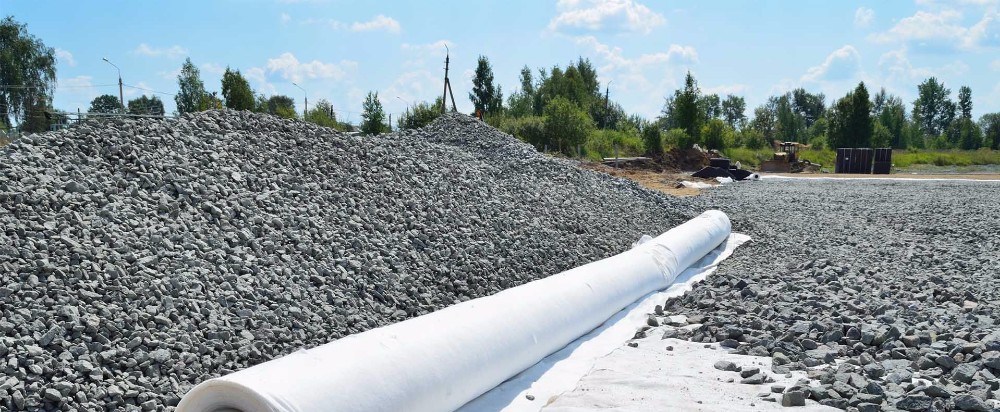
Geotextile has been widely applied in road construction to make construction costs more economical. Used as a geotextile separator or stabilizer, it can reduce aggregate thickness and extend the service life of the road. A single layer of geotextile can typically save 1/3 of the aggregate base thickness for roads on soft to medium subgrade […]