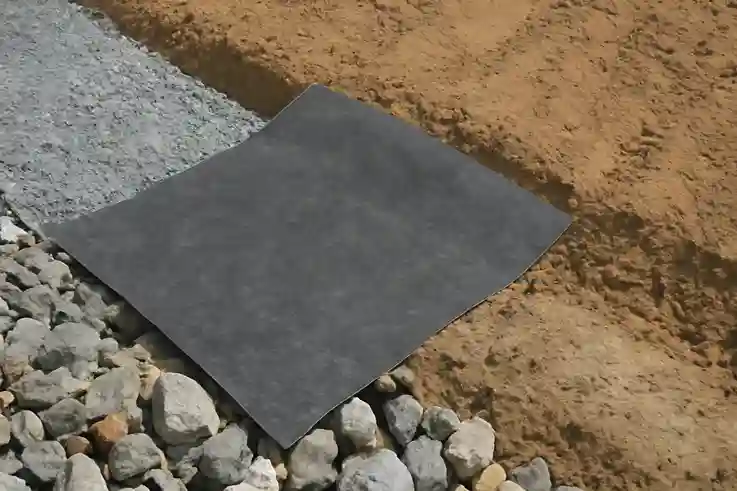
Root Barrier: Optimal Protection for Soil and Buildings
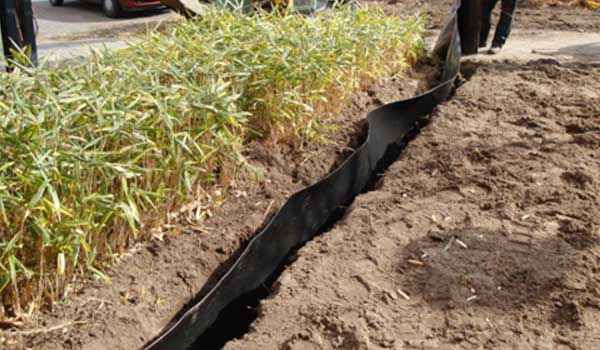
A root barrier is an innovative and effective solution for preventing tree roots from damaging foundations, channels and other infrastructure. This article takes an in-depth look at why a root barrier matters, its advantages, and the aspects to consider when choosing and installing this root protection.
A root barrier is a barrier specially designed to control the growth of tree roots so they do not damage their surroundings. With constantly evolving technology, the root barrier is becoming increasingly popular in construction and environmental conservation projects.
The Important Role of a Root Barrier in Preventing Structural Damage
Root barrier
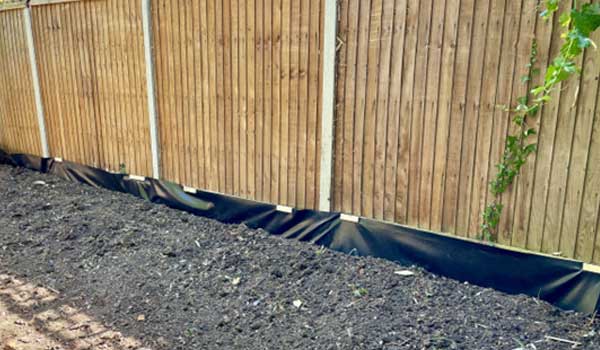
Soil and plants bring great benefits to ecosystems and human life. However, uncontrolled tree roots can cause serious damage to infrastructure such as roads, drainage channels and building foundations. That is why a root barrier is the main solution for controlling and limiting root growth.
A root barrier is especially important in urban areas and open land. When trees are planted close to buildings or important infrastructure, the risk of root damage becomes a major concern. With a properly installed root barrier, tree roots can be directed away from these important structures, keeping the environment safe and stable.
A root barrier also helps reduce infrastructure repair and maintenance costs. Without an adequate barrier, tree roots can penetrate foundations and water pipes, causing damage that is expensive to repair. Investing in a root barrier is therefore a smart, economical preventive measure.
How Tree Roots Affect Buildings and Infrastructure
Tree roots that grow uncontrolled can cause many problems for buildings and infrastructure. Roots are very strong and can penetrate concrete, asphalt and other building materials, causing permanent damage that is difficult to repair.
One clear example of the effect of tree roots is broken road paving and cracked building foundations. Roots growing into the soil slowly enlarge the voids around foundations, causing instability and a risk of structural collapse. The damage often goes undetected at first, but its impact is felt strongly in the long term.
Roots that penetrate drainage channels and water pipes are also a major cause of blockages and pipe damage. As roots grow and fill water channels, flow is disrupted and can even lead to leaks and minor flooding in the area. With a root barrier installed, roots cannot grow in unwanted directions, protecting infrastructure from damage.
Benefits of Using a Root Barrier for Environmental Protection
Root barrier
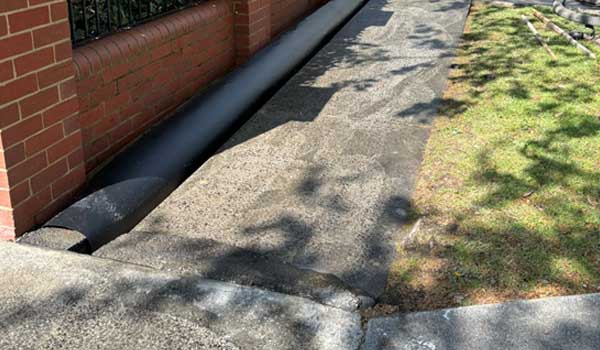
A root barrier is useful not only for protecting buildings from root damage, but also for the environment. The barrier helps control the spread of tree roots so they do not extend into unwanted areas, supporting the management of open spaces and the preservation of biodiversity.
A root barrier also allows trees to be planted more safely and efficiently around housing, parks and commercial spaces. Tree roots can grow healthily without threatening nearby structures. This supports the concept of urban greening without sacrificing public safety and comfort.
By reducing the risk of structural damage, a root barrier also helps minimize the need for routine maintenance, which is often expensive and time-consuming. The cost of repairing root-damaged structures can be reduced significantly, so communities and land managers gain long-term benefits from this investment.
Root barrier with geosynthetics
A root barrier with geosynthetics is an innovative solution for controlling unwanted plant root growth, especially in urban environments and construction areas. The technology uses the strength of geosynthetic materials to stop roots growing in directions that could damage buildings, drainage channels or other infrastructure. A root barrier with geosynthetics is an efficient, durable and environmentally friendly solution.
Basic Concept of a Root Barrier with Geosynthetics
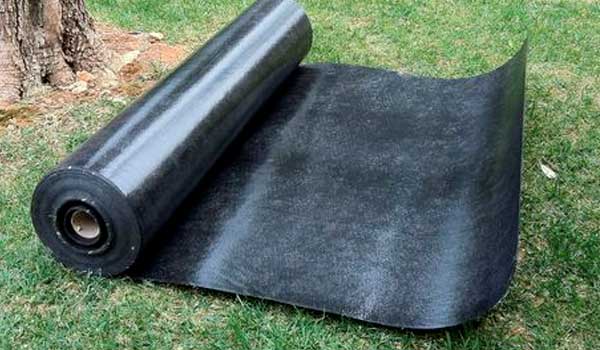
A root barrier with geosynthetics is a protective layer made of special geosynthetic material designed to block root growth selectively. The material usually consists of thick polyethylene, polypropylene or other synthetic materials with high tensile strength, chemical resistance and resistance to extreme temperatures. The layer is installed in the ground with the main goal of controlling the direction of root growth so the roots do not damage the structures above.
Before discussing its applications and advantages further, it is important to understand the basic concept of the root barrier itself. Essentially, a root barrier acts as a semi-permeable or waterproof barrier that plant roots find difficult to penetrate. This allows us to plant large trees or plants near important structures without worrying that the roots will damage them. The effectiveness of the root barrier depends heavily on the geosynthetic material used, the thickness of the layer and correct installation technique.
A root barrier with geosynthetics is highly relevant for maintaining soil stability, protecting highways and building city parks. Without adequate protection, tree roots can be a major cause of construction damage, including broken paving, damaged foundations and even landslides. This technology therefore greatly helps reduce these risks and ensures infrastructure success.
Advantages of a Geosynthetic Root Barrier
Root barrier
A root barrier with geosynthetics has many advantages over traditional methods. Key advantages include high durability, easy installation and the ability to adapt to different environmental conditions. Geosynthetic materials also resist chemicals, UV light and extreme weather, which often shorten the life of conventional treatments.
The product is also very environmentally friendly because it requires no hazardous chemicals and can be recycled. An equally important advantage is its ability to hold back root growth effectively without destroying the plant’s root tissue. This means the plant continues to grow, while root access to the protected structure is prevented selectively and safely. With all these advantages, it is no surprise that the use of geosynthetic root barriers is increasing around the world.
In addition, relatively fast installation that does not require large equipment makes this technology more practical for both construction and landscaping projects. As a result, budgets and working time can be minimized without reducing the quality of protection against root growth.
Materials and Design of a Geosynthetic Root Barrier
Root barrier
Understanding the materials used in a root barrier with geosynthetics is essential to ensure it matches the needs of a specific project. The main materials usually used are polyethylene in various thicknesses, polypropylene and other geosynthetic materials with high strength and durability. These materials are not chosen at random; environmental factors, plant species and building structure are the main considerations.
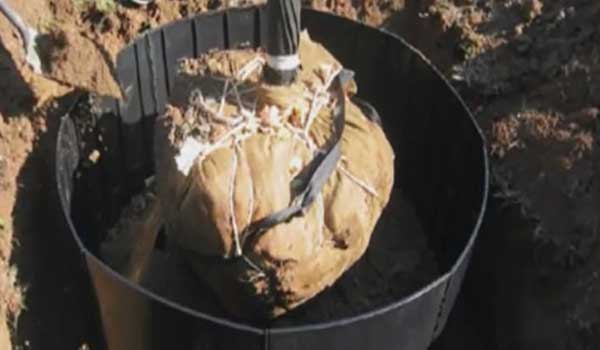
Besides the main material, the root barrier itself is designed to achieve optimal performance. The layer is often given a specific texture to improve its grip on the soil and to prevent damage from friction or mechanical pressure. Some designs use a multilayer system that combines tensile strength with a waterproof layer, so it can hold back aggressive roots while keeping the soil above stable.
In practice, root barriers come in many shapes and sizes to suit different needs, from flat sheets and panels to modular systems that allow faster, more efficient installation. Innovative designs not only improve root protection, but also make it easier to adjust the system when environmental conditions change or when repairs and maintenance are carried out.
When strength and durability are the top priority, materials with a minimum thickness of 1.5 mm to 3 mm are often used to withstand pressure from large plant roots and high mechanical loads. Installation must be thorough and careful, including correct excavation, laying the layer at the base of the trench and reinforcing the edges so it does not tear easily.
Applications of a Root Barrier with Geosynthetics
Root barrier
Applications of a root barrier with geosynthetics are wide and varied, depending on the needs of different construction and landscaping work. From highways and bridges, city parks and urban green areas to slope protection and building foundations, all use this technology to prevent early damage caused by root growth.
One of the main applications is in city parks and residential areas close to large trees and drainage channels. Without adequate protection, tree roots can intrude into water channels and disrupt flow, or even damage the surrounding concrete. With a root barrier installed, roots are directed to grow in directions that do not endanger important structures.
In road and railway construction, a root barrier helps maintain soil stability and prevent movement caused by spreading roots. In mountainous and landslide-prone areas, a root barrier is vital for strengthening the soil foundation and resisting pressure from overly aggressive roots.
The technology also works very well for environmental rehabilitation and water resource conservation. When planting trees in poor, erosion-prone soil, a root barrier helps control root growth, stabilizing the soil and preventing excessive erosion.
Root Barrier FAQs: Common Questions and Complete Answers
What factors should you consider when choosing a root barrier?
Making sure the material withstands environmental conditions, has sufficient thickness and is compatible with the soil and tree species are important aspects. The choice should follow the specific needs of the site and the available budget.
How long does an installed root barrier last?
The service life of a root barrier depends heavily on the material used and environmental conditions. Typically, HDPE barriers can last between 20 and 50 years if properly installed and maintained.
Does installing a root barrier require a government permit?
It depends on local regulations and the nature of the project. In general, for large construction projects or projects that affect the environment, a permit from the relevant authority is needed to ensure standards and safety are met.
How do you know the barrier is working effectively?
The tree roots keep growing but are directed to places where they do not damage structures. Another sign of success is the absence of damage to buildings, roads or pipes during and after the tree’s growth.
Is a root barrier environmentally friendly?
Products made from durable, recyclable materials such as HDPE generally have minimal environmental impact if disposed of properly. In addition, their use helps preserve existing structures and ecosystems.
Conclusion
A root barrier is a strategic step for protecting infrastructure and the environment from the hazards of uncontrolled tree roots. With many types of barriers available, from PVC and HDPE to modular systems and geotextile fabrics, users can choose according to the needs of their project. The main advantage of a root barrier lies not only in its effectiveness at preventing damage, but also in supporting ecosystem sustainability and long-term cost efficiency.
Investing in a root barrier is a wise preventive measure that can reduce future structural repair costs and improve the quality of living and working environments. Choosing and installing it correctly from the start will deliver major benefits and keep the soil and surrounding structures safe and solid in the long term.
Other Articles


How to Increase Salt Pond Yield with HDPE Geomembrane
One of the largest salt-producing regions in Indonesia lies along the coast of Java, particularly in East Java province. Its long dry seasons make the region well suited to salt production, and farmers are always looking for ways to increase salt pond yield. Conventional methods produce very low yields. Salt farmers channel seawater into holding […]